Dar es Salaam short stay listings generate $9,200 annual revenue as supply drops
Active listings in Tanzania's commercial hub fell 46.5 percent to 1,648 units while RevPAR rose 15 percent to US$27, according to AirDNA data.
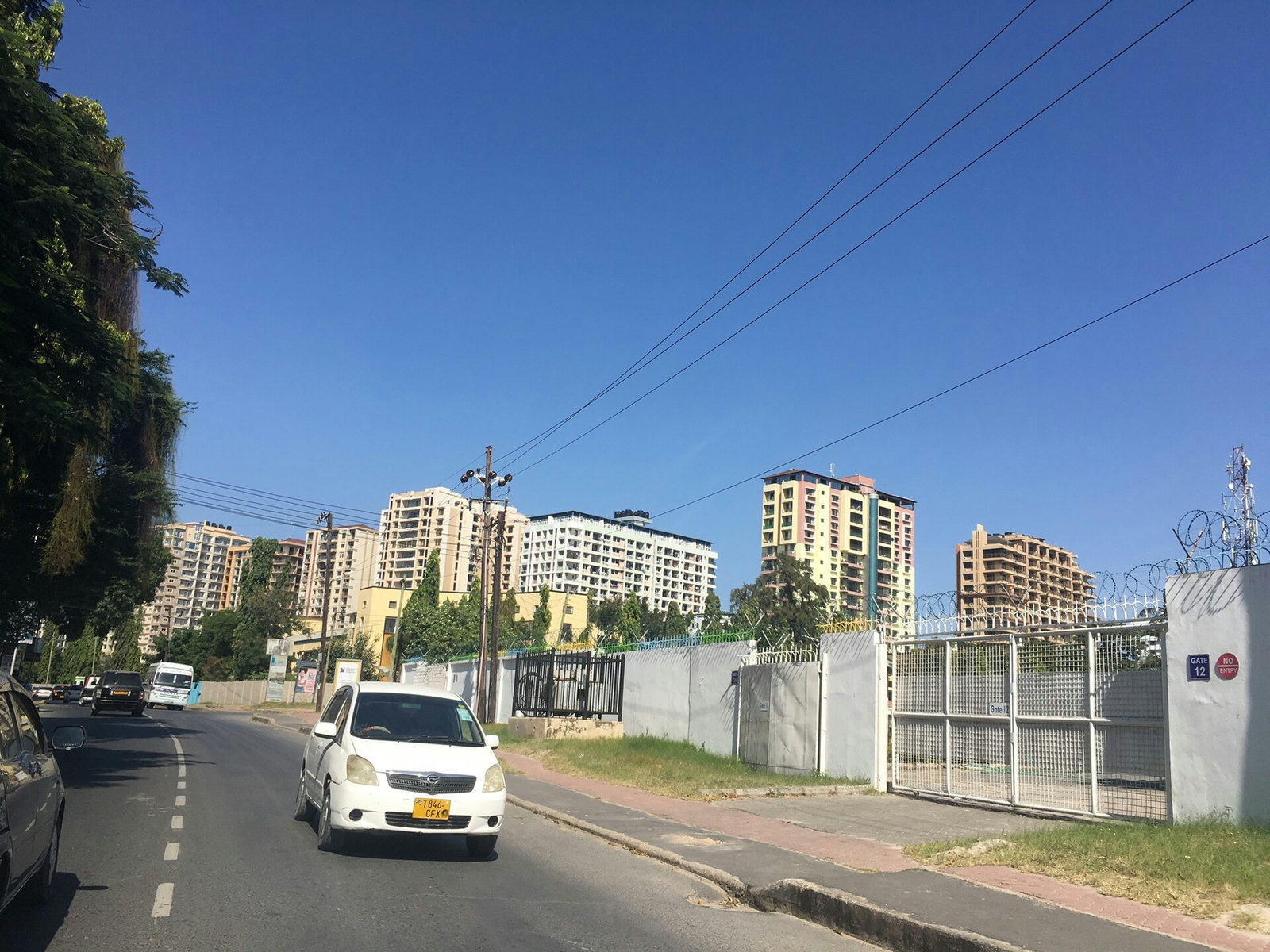
Residential high-rise buildings along a street in Upanga West, Dar es Salaam, photographed in 2019. Picture from Wikimedia Commons: “Upanga West”. Photographer LittleT889. Licence CC BY-SA 4.0. Resized from the original.
The average active short-stay listing in Dar es Salaam generated $9,200 (about 24m/-) in revenue over the 12 months leading to October 2026, according to market figures from analytics firm AirDNA. That top-line total represents a 126.6 percent increase compared with the previous year's earnings across the market.
The financial figures highlight an expanding divergence between short-term accommodation income and traditional residential tenancy terms in Tanzania's commercial center. Real estate investors in the city historically relied on six-month or twelve-month upfront lease payments to recover building and acquisition expenses, but short-stay hosting is attracting property owners looking for faster operational cash flow.
What the data shows
AirDNA figures show that short-stay accommodation units in Dar es Salaam commanded an average daily rate (ADR) of $55 while maintaining an average annual occupancy rate of about 49 percent over the 12 months up to October 2026. This performance combined to produce approximately 24 m/- in annual gross revenue per active unit.
By contrast, conventional long-term residential leases yield lower total sums across key Dar es Salaam neighborhoods. Unfurnished one-bedroom apartments in areas such as Mikocheni, Masaki, Mbezi, Tabata and Upanga typical fetch about 1.2m/- per month. Over a full year, those conventional rentals deliver 14.4m/- in total gross rent, making short-stay gross annual revenue nearly double the earnings collected from conventional lease agreements.
Supply metrics across the city shifted markedly during the same period. Between October 2025 and October 2026, the overall inventory of active listings in Dar es Salaam contracted by 46.5 percent to 1,648 units. This consolidation coincided with financial gains for operators who remained active in the market.
Occupancy among surviving active properties grew by 14.9 percent over the year. Revenue per available room (RevPAR), an industry benchmark combining price and occupancy performance, expanded by 15 percent to reach US$27. This RevPAR growth occurred alongside a 4.5 percent reduction in average daily rates, indicating that active property managers cut list prices to secure higher booking frequencies and protect market share.
How it was measured
The figures were published by AirDNA based on market tracking data collected through October 2026. The data tracks property performance over the 12-month period preceding October 2026 and measures annual changes against matching metrics from October 2025.
AirDNA measures active listings, occupancy levels, average daily rates in US dollars, and RevPAR figures across short-term rental platforms. The published source material did not detail specific filtering parameters, unit size exclusions, or secondary platform deduplication methods used in compiling the Dar es Salaam dataset.
Supply contraction and unit economics
The 46.5 percent drop in active listings to 1,648 units indicates a substantial shakeout among accommodation providers. While overall unit numbers dropped, individual property productivity increased, as reflected in the 15 percent gain in RevPAR to US$27.
Demand across the market is driven by distinct guest categories. These groups include regional business travellers, non-governmental organization staff, medical travellers, and members of the Tanzanian diaspora returning for short visits. Incoming investors are finding that financial outcomes rely heavily on location, furnishing quality, precise pricing adjustments, and systematic property management.
Market participants are also preparing for upcoming institutional growth drivers. The 2027 Africa Cup of Nations (AFCON) tournament is expected to generate significant regional travel and business activity, bringing well-traveled visitors with higher property expectations into the country.
Local platform efforts and fee structures
The performance metrics have triggered initiatives by local industry organizations aimed at capturing a larger share of booking revenue. Tanzania Hosts Association (THA) national secretary Baraka Meremo stated that the organization is working to introduce a domestic digital reservation application.
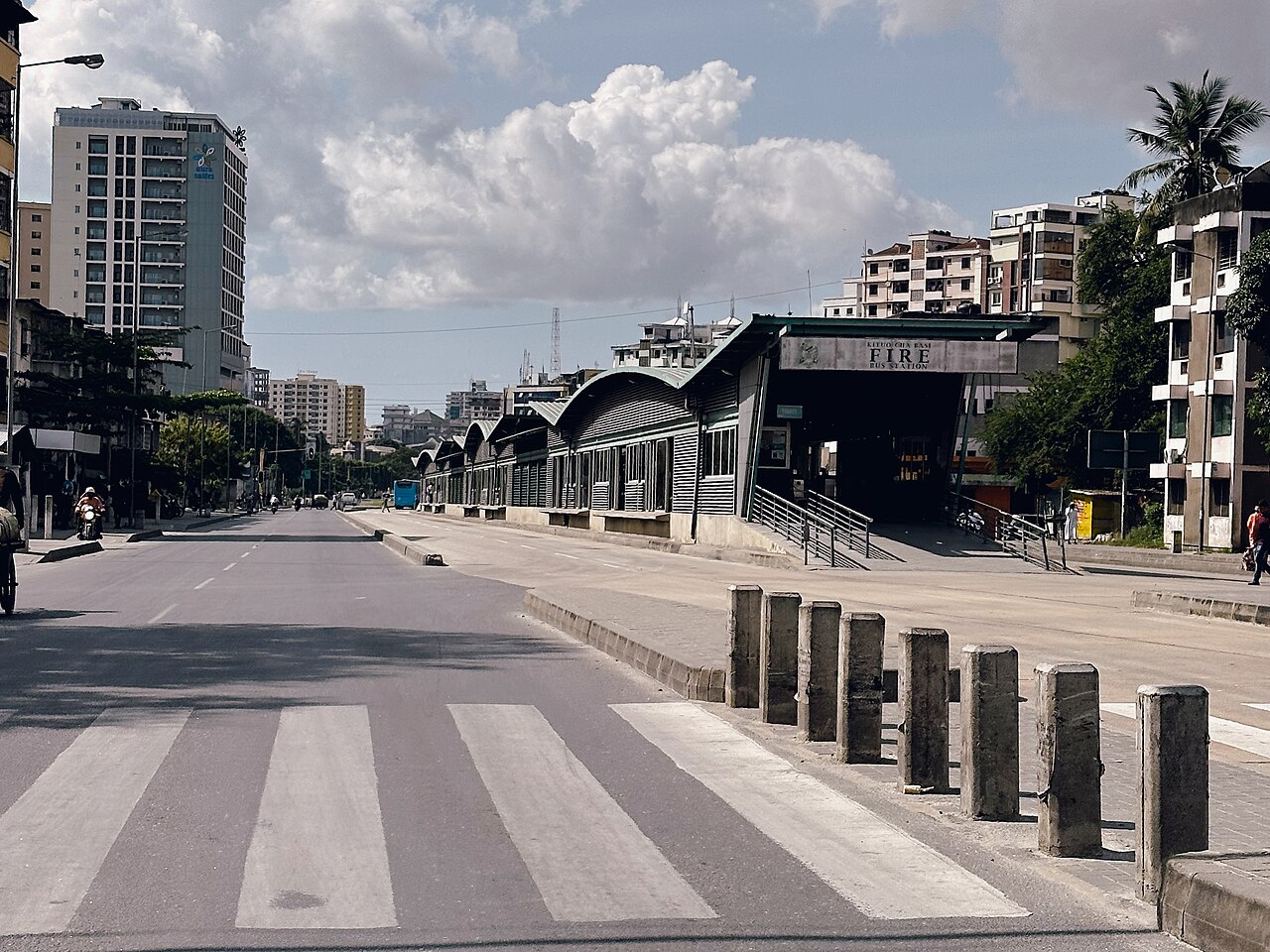
“This move comes as the accommodation industry experiences rapid growth, driven by an increase in tourism and the upcoming AFCON tournament, which is expected to bring in many well-traveled guests with high-standard expectations.”
According to Meremo, the planned platform aims to retain approximately 60 percent of booking revenue that currently flows to foreign hosting channels that do not maintain physical operational offices in Tanzania. Meremo noted that incoming visitors prioritising location access are encouraging government authorities to upgrade local transportation infrastructure. This physical development connects with broader digital economy expansion, including ride-hailing services like Bolt and retail e-commerce platforms.
Housing market impacts and regulatory discussions
The income gap between daily bookings and long-term tenancies is shifting owner behavior across Dar es Salaam. Specialist in Airbnb Management, Coaching and Hosting Judith Mwanri noted that an increasing number of property owners are exiting long-term rental agreements to enter daily accommodation hosting.
Financial incentives drive this shift, with some landlords collecting an amount equivalent to a full month of conventional rent within seven to ten days of short-stay occupancy. This earnings rate prompts owners to convert traditional residential housing into short-term guest units or raise conventional long-term rental prices to match commercial returns.
Mwanri highlighted that this conversion trend threatens to contract the inventory of long-term housing available to local residents. Low- and middle-income workers face housing access challenges, with rising rental costs potentially forcing residents to relocate further away from employment centers.
Operational security represents another area of concern. Unlike commercial hotel facilities, many short-stay apartments operate inside residential neighborhoods without guest verification protocols, standard security staff, or clear operational accountability. Property owners who operate without established management systems face heightened operating expenses, physical unit damage, and potential legal complications.
To address these operational issues, stakeholder meetings involving real estate owners have commenced in Arusha and Moshi, with upcoming sessions planned in Dodoma. These industry discussions focus on designing standardized registration, identification, and accountability frameworks for short-stay properties.
What to watch
Operators, property buyers, and asset managers tracking Dar es Salaam short-stay real estate can monitor key operational indicators in coming quarters:
- Track local registration and guest identification mandates emerging from industry stakeholder meetings in Dodoma, Arusha, and Moshi.
- Monitor average daily rate trends to see if operators maintain rate discounts below $55 to defend occupancy levels.
- Evaluate development progress on the Tanzania Hosts Association local booking platform to assess potential commission fee reductions below standard foreign platform rates.
- Compare long-term residential rent growth in Mikocheni, Masaki, Mbezi, Tabata and Upanga against short-stay RevPAR figures to evaluate asset conversion returns.
- Review municipal infrastructure projects linked to the 2027 Africa Cup of Nations that could alter location desirability for short-term guests.
Figures checked by the standards desk (Paul Ostrowski): every figure in this story was matched to the source material listed below before publication.
Tally from the accuracy gate: 52 details tested; 51 found in the stored source; 1 allowed as background knowledge; nothing cut.




Comment thread