European short-term rental rates rose in December 2025 as Christmas market demand grew
PriceLabs reported rate and booking growth across 15 cities, even as tighter regulations and rising costs reduced accommodation supply in 10 destinations.

Updated 15 October 2026. After a source check by the standards desk, 2 sentences were removed because no source confirmed their specifics. Corrections log.
The analysis of 15 major European destinations showed growth in nights booked and rising average daily rates across the board, even as the supply of available accommodations fell in a majority of these markets.
The data highlighted a shift in traveler behavior during the festive season, with visitors booking their stays earlier and showing greater interest in smaller destinations. While demand grew, property owners faced a changing operating environment characterized by stricter municipal regulations and higher costs, which contributed to a contraction in listing supply in 10 of the 15 analyzed cities.
What the data shows
The analysis of 15 European cities revealed that nights booked rose in almost every destination compared to the previous year. Budapest led this growth with a 39% increase in nights booked, followed closely by Frankfurt with a 35% increase. Other cities experiencing significant demand growth included Basel, where demand rose 26%, and Prague and Krakow, which both recorded a 24% increase in bookings.

Average daily rates rose in all 15 destinations. The largest rate increases occurred in Budapest, where the average daily rate rose 27%, followed by Vienna with a 25% increase, and Innsbruck with a 24% increase. Despite the significant rate growth, Budapest remained the most budget-friendly option among the analyzed cities, with an average daily rate of €81 per night. Other affordable destinations included Metz, with an average daily rate of €83, and Krakow, with an average daily rate of €87.
At the higher end of the pricing spectrum, Strasbourg and Colmar recorded the highest average daily rates. Strasbourg was the most expensive destination with an average daily rate of €249, representing an 11% increase in demand. Colmar followed with an average daily rate of €248 in the main text of the report, while the key highlights listed the rate as €247, alongside a 2% increase in demand. Vienna was the third most expensive destination, with an average daily rate of €231 and a 9% increase in demand.
In the Alsace region, Strasbourg and Colmar recorded high occupancy levels for the period of December 1 to December 20. Strasbourg reached an occupancy rate of 73%, while Colmar reached 70%, confirming the popularity of these destinations during the first three weeks of December.
The remaining destinations in the 15-city analysis showed varied demand and pricing structures. Copenhagen recorded 0% demand growth but maintained an average daily rate of €191. Brussels experienced a 3% increase in demand with an average daily rate of €140. Cologne saw demand rise 7% with an average daily rate of €156. Nuremberg recorded a 16% increase in demand with an average daily rate of €159, while Salzburg also saw a 16% increase in demand with an average daily rate of €193. Innsbruck recorded a 10% increase in demand with an average daily rate of €161, and Metz experienced a 9% demand increase with an average daily rate of €83.
How it was measured
The figures were compiled and analyzed by PriceLabs, a dynamic pricing and revenue management software provider for the short-term rental industry. The company published its findings on December 9, 2025. The dataset covered 15 popular European cities known for hosting Christmas markets, tracking booking volumes, occupancy rates, and average daily rates for the month of December 2025.
The occupancy metrics for Strasbourg and Colmar specifically focused on the period from December 1 to December 20, 2025. The source did not disclose the exact number of properties included in the sample, the specific platforms from which the reservation data was pulled, or the precise methodology used to filter out inactive listings. It also did not specify the exact historical dates used for the year-over-year comparisons, other than comparing December 2025 bookings to the previous year's levels.
Supply constraints and regulations
Despite the widespread increase in traveler demand, the supply of available short-term rental accommodations decreased in 10 of the 15 destinations analyzed. PriceLabs attributed this contraction in inventory to two primary factors: stricter local regulations and rising operational costs for property owners.
Municipalities across Europe had been implementing tighter controls on short-term rentals, including registration requirements, caps on the number of nights a property can be rented, and zoning restrictions. These regulatory hurdles, combined with the inflation of operational expenses such as utilities, maintenance, and property management fees, led some hosts and investors to remove their properties from the short-term rental market entirely. This supply reduction occurred during a period of rising demand, which contributed to the upward pressure on average daily rates across all 15 cities.
Shifting traveler behavior
The data from PriceLabs indicated that travelers adjusted their booking habits for the 2025 holiday season. According to the company, visitors booked their accommodations earlier in the year compared to previous patterns, securing properties well ahead of the peak December travel window. This early booking activity helped drive up the reservation volumes reported in early December.
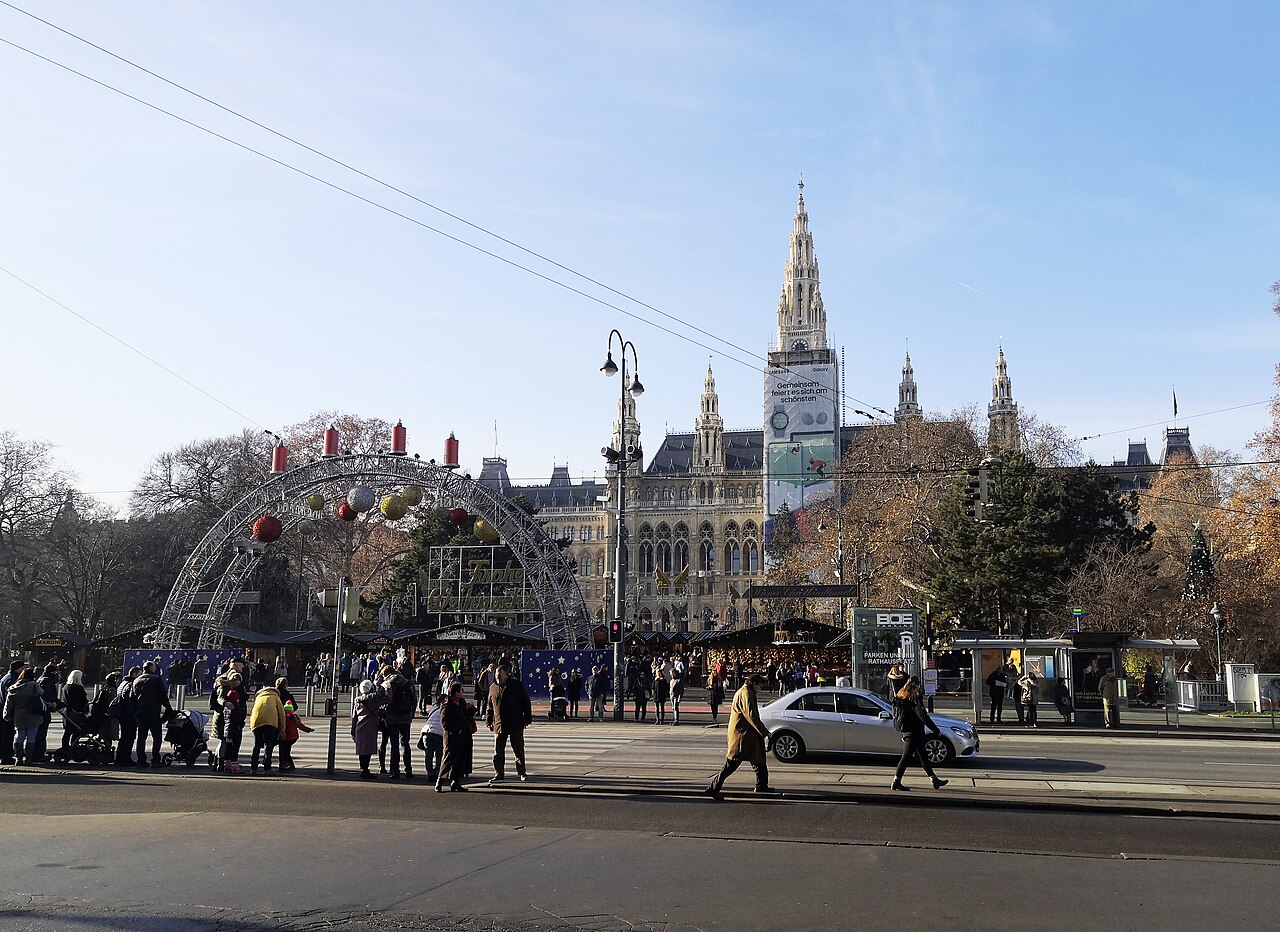
Additionally, the analysis revealed a growing interest in smaller cities that sit outside the traditional major tourism hubs. While major cities like Vienna and Prague continued to see solid growth, smaller destinations like Metz, Colmar, and Innsbruck also captured significant demand. Richie Khandelwal, co-founder of PriceLabs, noted this trend in the report:
“European Christmas markets have always held a special charm, but this year travelers are booking earlier and in larger numbers. We are also seeing increased interest in smaller cities beyond the traditional ‘major’ destinations, which boosts local economies and overall tourism demand.”
What the data does not tell us
The source did not publish the exact number of active listings in each of the 15 markets, making it impossible to determine the absolute scale of the supply decrease in the 10 affected cities. Without knowing the exact volume of listings lost in each market, the broader impact of the supply contraction remains difficult to quantify.
Furthermore, the report did not provide occupancy rates for most of the cities analyzed. While Strasbourg and Colmar were highlighted with occupancy rates of 73% and 70% respectively, the occupancy levels for major markets like Budapest, Vienna, and Frankfurt were omitted. Consequently, it is unclear whether the 39% demand growth in Budapest resulted in high overall occupancy or if it merely represented a recovery from a lower baseline in the previous year.
The data also omitted revenue per available room, a standard industry metric that combines occupancy and average daily rate to show true property performance. Additionally, because the occupancy figures for Strasbourg and Colmar only covered December 1 to December 20, the data did not capture the performance of these properties during the peak Christmas week and the days leading up to New Year's Eve, which are traditionally high-volume periods for holiday travel.
What to take from it
The performance of European short-term rentals during the 2025 Christmas market season offers several lasting lessons for hosts, property managers, and vacation rental investors monitoring seasonal demand patterns.
- Monitor local regulatory changes and operational cost structures constantly, as these factors drove down supply in 10 of the 15 analyzed cities despite rising consumer demand.
- Adjust pricing algorithms early in the autumn to capture the expanding booking window, as travelers booked their holiday stays earlier in 2025 than in previous years.
- Evaluate entry into secondary and tertiary markets, such as Metz or Colmar, where strong seasonal demand and lower entry costs can yield high occupancy rates.
- Compare individual property occupancy rates against regional benchmarks, keeping in mind that high-demand holiday hubs like Strasbourg reached 73% occupancy in the first 20 days of December.
Figures checked by the standards desk (Paul Ostrowski): every figure in this story was matched to the source material listed below before publication. The desk's review raised 3 points, corrected before publication.
Sources
- BnBNews (PriceLabs data) - published December 9, 2025.
Part of the Booked News record for December 2025. The desk filed this story on October 9, 2026 from a source published in the month it covers, under the same figure rule as the daily news.
Re-checked by the standards desk on 15 October 2026 against the original sources and a public-source lookup: 2 sentences were removed because no source confirmed their specifics.
Report an error in this story · Corrections policy and log

Related stories

Why seasonal occupancy swings shape short-term rental returns in Naples

European short-term rental rates rose 8.2% in July 2026 as occupancy steadied

U.S. rental occupancy fell 7 points in the World Cup group stage as rates rose 59%

European short-term rental rates rose 8.2% in March 2026 as supply growth accelerated
Read the desk every morning.
Leave your address for the Booked News briefing: the day's figures on rates, occupancy, demand, fees, supply and returns, each with its source, in one short email.
Comments