Yucca Valley and cliffside rates show how heated pools sustain shoulder season pricing
Data from Booking.com and Airbnb show premium properties maintaining October rates up to $2,700 per night by integrating climate-controlled pool and spa amenities.
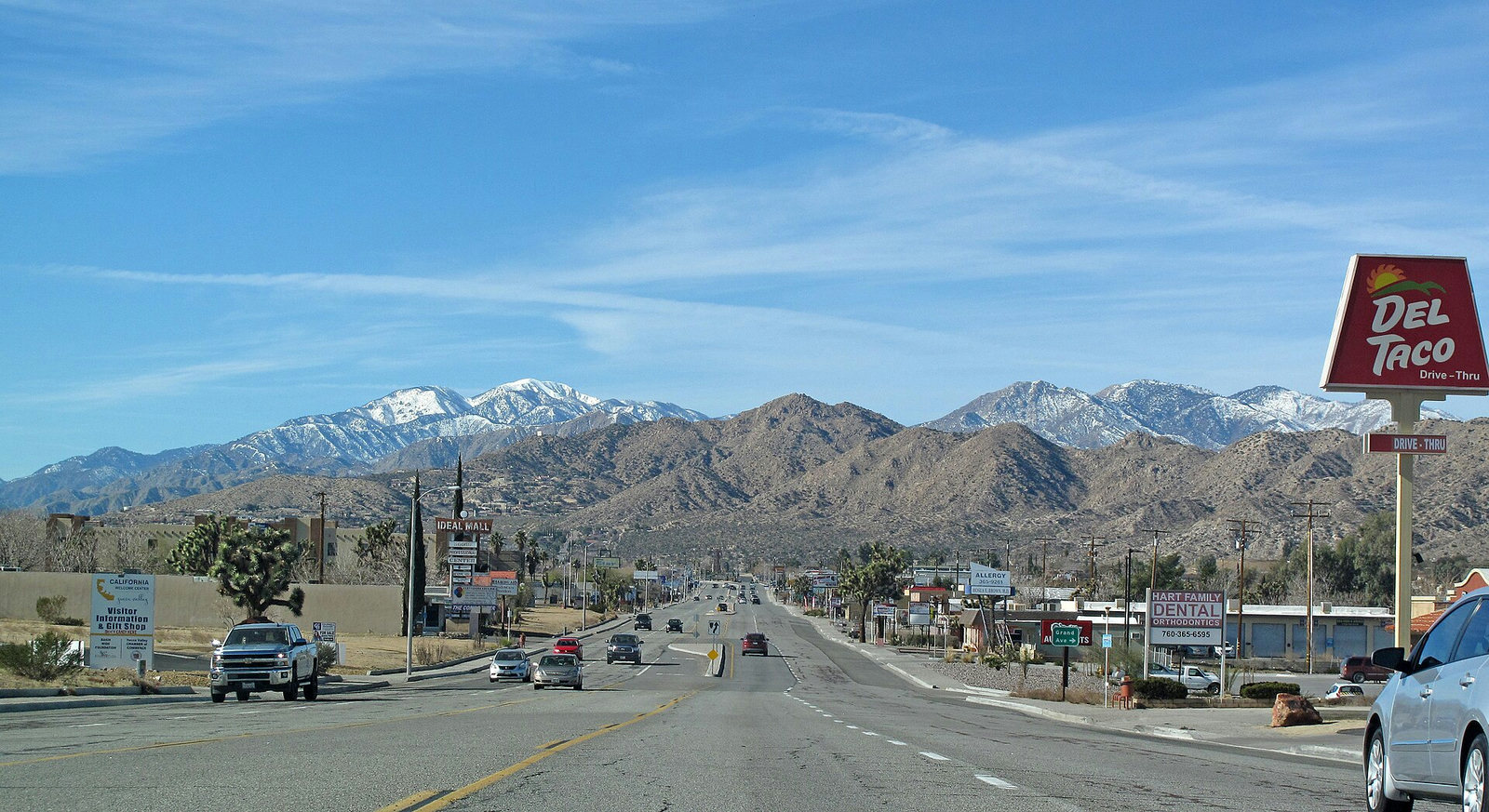
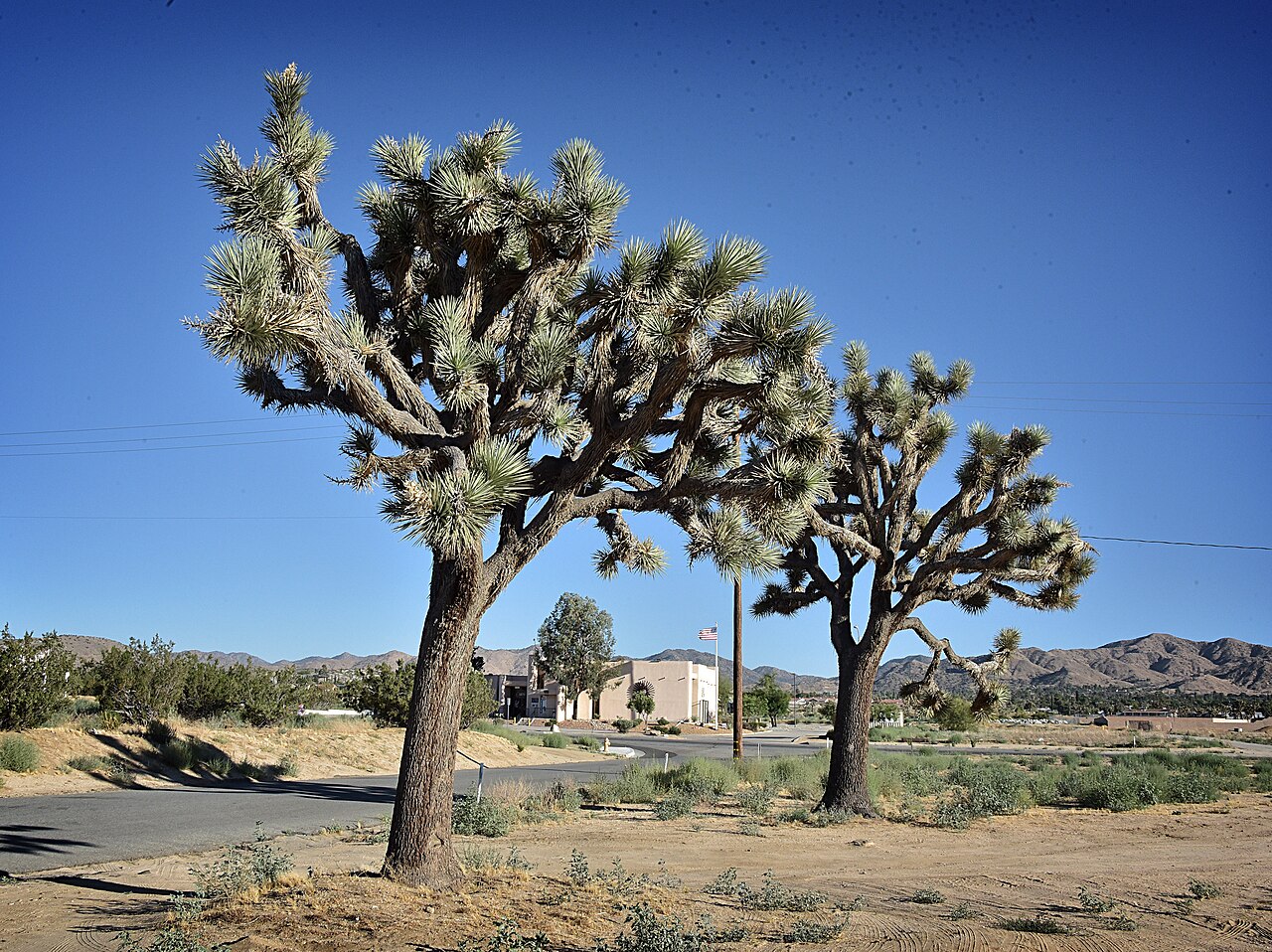
A view looking west along Twentynine Palms Highway in Yucca Valley, California, in 2020. Picture from Wikimedia Commons: “View west in Yucca Valley CA”. Photographer Downtowngal. Licence CC BY-SA 4.0. Resized from the original.
Nightly rates in October ranging from $1,600 to $2,700 according to Booking.com for a 2.5-acre compound in Yucca Valley show how hosts use heated pool and spa infrastructure to maintain high pricing during autumn. On Airbnb, a five-night stay at the same property in early November was discounted to $8,503 from $10,187, demonstrating how premium listings retain rate floors in shoulder months when unheated outdoor spaces face declining seasonal demand.
In luxury short-term rental markets, autumn transition periods traditionally trigger sharp rate adjustments as cooler ambient temperatures render standard outdoor pools unusable. However, listing data across desert and coastal markets reveal that properties with built-in aquatic heating, integrated spas, and comprehensive wellness features hold strong nightly rates well past peak summer months, converting seasonal amenities into year-round revenue drivers.
How the metric works
The nightly rate metric measures the baseline revenue generated by a short-term rental unit for a single night of occupancy, excluding auxiliary charges such as cleaning fees, security deposits, and local taxes. In yield management, average daily rate serves as the foundational variable for calculating overall property performance and revenue per available room. During peak weather months, high guest demand allows operators to set high base rates with minimal amenity differentiation. During shoulder seasons—the transitional months between high-demand peak seasons and low-demand off-peak periods—ambient temperatures fall, drastically reducing the utility of unheated outdoor swimming pools and outdoor spaces.
When outdoor water temperatures drop below comfortable swimming thresholds, properties with unheated pools experience a reduction in perceived guest value. Operators of unheated homes are frequently forced to lower base nightly rates to maintain booking velocity. Conversely, properties equipped with continuous water heating systems, hot tubs, saunas, and cold plunges preserve their core value proposition. By advertising climate-controlled aquatic features or bundling pool heating into the base price structure, hosts eliminate guest uncertainty regarding extra fees while keeping their baseline rate intact.
In market practice, hosts handle pool heating through two primary fee models: unbundled secondary fees or bundled inclusive base pricing. Under an unbundled pricing structure, hosts quote a lower nightly base rate and add a daily pool heating fee, which can create friction at checkout or result in guests opting out of pool heating entirely. Under a bundled pricing structure, the host incorporates the anticipated energy cost directly into the published nightly rate. By presenting an all-inclusive stay with fully heated amenities, listings capture demand from guests seeking a predictable total cost, insulating the published nightly rate from off-season discounting pressure.
How it was measured
The figures supporting this analysis originate from public property listings, direct reservation platforms, and real estate market filings. For the Yucca Valley desert market, Booking.com published nightly rates for October ranging from $1,600 to $2,700 for the 3,452-square-foot compound listed as Sun Via and market-branded as The Beachhouse in the Desert. On Airbnb, forward booking data captured a five-night stay in early November listed at a discounted rate of $8,503 from an original price of $10,187. The property itself hit the real estate market for $2.952 million, combining a three-bedroom, two-bathroom main house and a two-bedroom, two-bathroom guest house across 2.5 acres.
For international luxury benchmarks, real estate and rental listings recorded historical pricing for Villa Farallón, a 37,598-square-foot cliffside estate in Punta Águila, Dominican Republic. The estate, built in 2021, is listed for $35.9 million with Compass agent Megan Probst after previously asking $45 million in 2023. Vacation rental tracking for the 10-bedroom, 17-bathroom villa shows nightly rates starting at around $12,300. The platforms and brokerages involved did not publish underlying operational metrics such as exact annual occupancy percentages, net conversion rates, or utility expense breakdowns for these specific listings.
Amenity scale and rate retention in desert markets
The ability to sustain rates between $1,600 and $2,700 during shoulder months like October depends heavily on the scale and variety of outdoor recreational infrastructure. In high-desert regions such as Yucca Valley, located a 5 minute drive from local shops and 10 minutes from Joshua Tree National Park, nighttime temperatures drop rapidly during autumn. Properties that rely solely on passive sunshine lose outdoor appeal as temperatures fall.
The Sun Via compound counters autumn cooling through extensive multi-seasonal hardscape and wellness equipment. Connective hardscape spanning more than 7,000 square feet integrates an 80-foot, hand-tiled pool and spa with an integrated fire pit, alongside a mirrored-glass Nordic five-person sauna and two Method cold plunges. Additional active outdoor recreation spaces—including an 80-foot pool area with a tiled daybed large enough for three queen-size mattresses, a regulation sand volleyball court, a putting green, a full basketball court, a pickleball court, and a bocce court—maintain multi-guest engagement regardless of weather fluctuations.
Entertaining spaces further reinforce shoulder-season value. The retreat includes a 500-square-foot barbecue pavilion with built-in bench seating, a 100-inch outdoor flat-screen TV, and a built-in barbecue with a wraparound bar and 14 bar stools. Indoor amenities match this scale, featuring a 12-person dining table in the main house and an 800 pounds round travertine table in the guest house. Clayton Baldwin of Kinetic Properties, who shares the real estate listing with Justin Le of Luxe Real Estate, noted market demand trends:
“Buyers today are looking for properties that offer more than just a beautiful home; they want an experience.”
Justin Le of Luxe Real Estate added that replicating this scale of design in the High Desert requires extensive execution planning:
“What makes Sun Via so rare is the level of thought and design that was carried through at this scale.”
Energy overhead and utility cost insulation
A critical challenge in relying on heated pools, saunas, and hot tubs to protect shoulder-season nightly rates is the associated surge in utility expenses. Operating an 80-foot pool, spa, or outdoor sauna in cooler weather requires continuous energy input, which can significantly compress net margins if unhedged. When hosts attempt to recover these costs by imposing separate daily heating fees at check-in, potential guests frequently balk, leading to cancelled bookings or unused facilities that lower review scores.
To protect both published nightly rates and operational net income, forward-thinking property owners invest in energy infrastructure to cap utility overhead. Public records show that the Sun Via compound in Yucca Valley, owned by California limited liability company 59181 Sun Via LLC and managed by luxury jewelry designer Shannon Zackary, includes two paid-off solar systems, two electric vehicle chargers, and hardwired Starlink internet. By eliminating ongoing solar equipment debt and offsetting electrical draw through two paid-off solar systems, the property can absorb the energy demands of its 80-foot pool, spa, and five-person sauna within its regular price structure without eroding operational cash flow.

Ultra-high-end pricing and aquatic infrastructure
At the highest tier of the short-term rental market, heated aquatic infrastructure is an explicit prerequisite for securing five-figure nightly rates. Villa Farallón in the Dominican Republic commands nightly rates starting at around $12,300, supported by structural features designed by Dominican architect Arturo Despradel. The estate took more than three years and roughly 130 craftsmen to complete, using reinforced concrete, steel walls, deep roof overhangs, and oversized impact-resistant windows.
The aquatic and outdoor recreation footprint at Villa Farallón is central to its baseline valuation. Outdoors, the residence features a heated saltwater infinity pool situated on the edge of the cliff overlooking the sea, accompanied by a 16-seat jacuzzi, an outdoor kitchen with a wood-fired pizza oven, and a fire pit. Additional entertainment structures include a screening room, a billiards lounge, and a soundproofed nightclub equipped with a DJ booth, stage, VIP area, and bar. The main residence provides six suites across two levels, three kitchens, a formal dining room with a table more than 200 years old, and a primary suite spanning more than 4,000 square feet with a private gym, two walk-in closets, a sauna, a spa-style bathroom, and an ocean-facing balcony. Service operations are supported by a separate guesthouse with four suites, staff quarters, and a 12-person staff that may stay on post-sale.
Because high-net-worth guests paying starting rates of around $12,300 per night expect all amenities to be fully operational upon arrival, ultra-luxury operators fold all heating and maintenance expenses into the single published rate. Unbundled fee structures at this price point are nonexistent, as direct access to heated infinity pools and jacuzzis forms the core expectation of the stay.
What to watch
Market participants tracking shoulder-season rate dynamics and aquatic amenity investments should monitor the following operational indicators:
- The proportion of regional listings offering bundled climate-controlled pools versus those charging daily add-on heating fees.
- Operational profit margins for listings utilizing on-site solar systems to offset autumn heating overhead.
- Occupancy spread and booking lead times between properties with active heated amenities and those without climate controls during transitional months.
- Discount depth on major booking channels for luxury listings during early November stay windows.
Figures checked by the standards desk (Paul Ostrowski): every figure in this story was matched to the source material listed below before publication.
Tally from the accuracy gate: 65 details tested, 65 found in the stored source, nothing cut.
Sources
- Yahoo - This 10-Bedroom Cliffside Villa in the Dominican Republic Can Now Be Yours for $35.9 Million (October 20, 2026).
- Orange County Register - 2.5-acre Yucca Valley compound with pool, sport court seeks $3M (October 2, 2026).
An analysis column by the Booked News desk. Every figure is taken from the sources above.
Is a figure here wrong? Say so / The corrections procedure and the log

Related stories

How property management fees and listing channels shape short-term rental revenue
UK Short-Term Rental RevPAR Holds Firm as Hotels Fall 8% in Q3 2026
Picture from Wikimedia Commons; licence CC BY-SA 4.0; photographer Dominic Nelson

UK forward occupancy for August and September 2026 paced 5% lower as rates rose

Crete short-term rental listings fell 5.7% in June 2026 as housing prices rose
Read the desk every morning.
Leave your address for the Booked News briefing: the day's figures on rates, occupancy, demand, fees, supply and returns, each with its source, in one short email.
Comment thread