Airbnb Reports €377.6 Billion Cumulative EU GDP Contribution Since 2011
Stays on Airbnb contributed an estimated €55.8 billion to EU GDP in 2025 as guest stays shifted away from major capital cities, according to platform data.
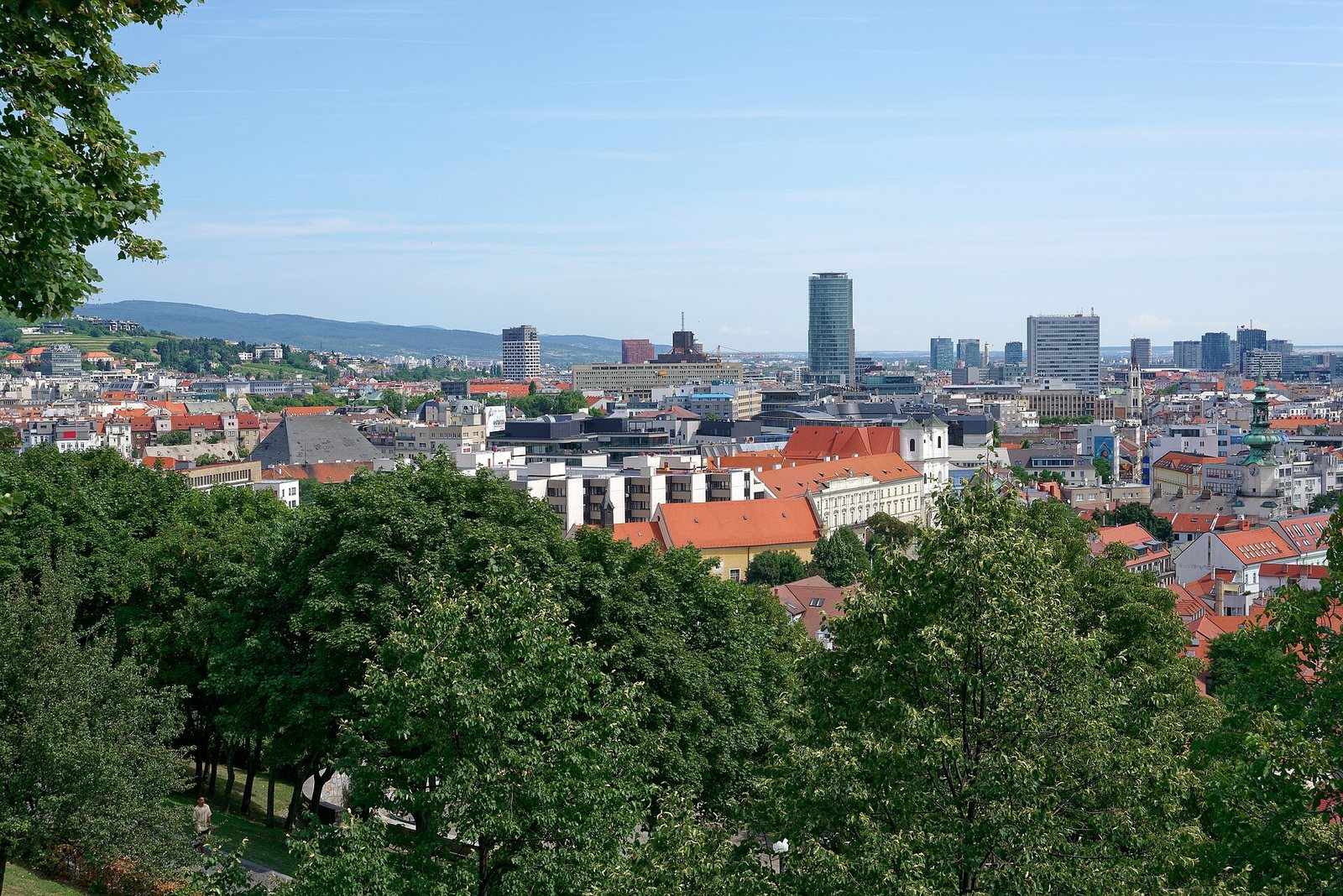
A cityscape view of Bratislava seen from the castle hill in 2021. Picture from Wikimedia Commons: “Widok na Bratysławę ze wzgórza zamkowego, 20210727 1113 0341”. Photographer Jakub Hałun. Licence CC BY-SA 4.0. Resized from the original.
Stays on Airbnb have contributed an estimated €377.6 billion to EU GDP since 2011, according to data published by Airbnb. In 2025 alone, stays on Airbnb contributed an estimated €55.8 billion to EU GDP, roughly equivalent to the combined GDP of Cyprus and Malta.
The data released by the company outlines multi-year operational metrics across European Union member states, tracking shifts in guest stay locations, off-platform guest spending patterns, host earnings distributions, and tax generation during the fifteen years following the opening of Airbnb’s first European office.
What the data shows
Airbnb reported that cumulative stays on its platform contributed an estimated €377.6 billion to European Union GDP between 2011 and 2025. For 2025, Airbnb estimated the platform’s annual GDP contribution at €55.8 billion, comparing that single-year economic output to the combined GDP of Cyprus and Malta.
The metric indicates geographic movement away from primary capital cities across Europe. Airbnb reported that nearly 9 in 10 guest nights on Airbnb are now outside Europe’s most-visited capitals. That figure represents a change from 2011, when just under half of guest nights took place outside those capital cities.
Travelers are also selecting less densely populated municipalities. Airbnb reported that roughly three in five guest nights take place outside high density urban areas, compared to just over 6% fifteen years ago. Airbnb identified Romania, Slovakia, Bulgaria, and Poland as experiencing the fastest percentage growth in estimated GDP contribution over the fifteen-year period.
Regarding host earnings, Airbnb reported that EU hosts on Airbnb have collectively earned over €109 billion over the past 15 years. The company stated that the majority of hosts, over 75%, have rented out just one home, with the typical host earning just over €4,600.
How it was measured
The reported data was published by Airbnb on November 11, 2026. The company stated that the metrics reflect activity across European Union member states from 2011 through 2025, marking fifteen years since Airbnb established its first office in Europe.
Airbnb did not detail the specific economic model, econometric assumptions, or secondary multipliers used to calculate its total GDP contribution estimates, labour income figures, or supported employment totals. The platform attributed guest spending breakdowns to internal estimates of non-accommodation expenditures in 2025, and attributed findings on flexible housing demand to a Europe-wide poll commissioned by Airbnb.
Geographic dispersion and regional growth
The figures show a redistribution of guest night volume across European geographic zones over the fifteen-year tracking period. In 2011, just under half of guest nights occurred outside Europe’s most-visited capitals. By 2025, nearly 9 in 10 guest nights occurred outside those core capital cities.
Density metrics reflect a similar trajectory away from major metropolitan centers. Fifteen years ago, just over 6% of guest nights occurred outside high density urban areas. The current dataset shows that roughly three in five guest nights now occur outside high density urban locations.
Airbnb attributed part of this travel distribution to internal software updates, stating that tools such as AI Search are designed to further encourage dispersed travel and help people discover new destinations by starting search queries with a description of a trip rather than a specific geographic location. Across member states, Airbnb identified Romania, Slovakia, Bulgaria, and Poland as the primary markets recording the fastest percentage growth in estimated GDP contribution since 2011.
Guest spending and job creation
Off-platform spending by accommodation users generated significant local commerce, according to the report. In 2025, Airbnb guests spent an estimated €54.5 billion locally outside of their accommodation within the European Union.
Airbnb categorized this estimated €54.5 billion in local spending across five distinct business sectors:

- Restaurants received an estimated €17.8 billion.
- Groceries accounted for an estimated €10.6 billion.
- Shopping represented an estimated €8.2 billion.
- Entertainment accounted for an estimated €7.3 billion.
- Transport generated an estimated €5.6 billion.
On employment impact, Airbnb reported that stays on Airbnb supported almost one million jobs in the EU in 2025. Between 2011 and 2025, Airbnb estimated that stays on its platform supported an estimated €176 billion in labour income. The company stated these positions include direct service roles supported by guest spending—such as restaurant staff, cleaners, and shop workers—as well as indirect supply chain roles and induced employment stemming from host earnings and worker wage expenditure.
Host demographics and public finance
Direct host payouts across European Union member states reached over €109 billion cumulatively over the past 15 years. The platform noted that over 75% of hosts operate a single property, with the typical host earning just over €4,600.
Stays on the platform also generated public revenues for state and local governments. Airbnb reported that between 2011 and 2025, stays on Airbnb have helped generate an estimated €113.6 billion in tax revenue, contributing directly to funding local public services and infrastructure.
Flexible housing and nonprofit donations
The report examined alternative short-term housing demand across Europe. In a Europe-wide poll commissioned by Airbnb, over 8 in 10 respondents reported having experienced a need for flexible housing due to temporary relocation.
The company also detailed revenue transfers to Airbnb.org, an independent nonprofit entity that coordinates temporary stays for individuals displaced by emergency situations, medical needs, or domestic violence. Airbnb stated that it now donates a portion of its revenue from every stay to Airbnb.org, projecting these contributions will generate an estimated $500 million in funding over the next five years. Since initiating its medical stays program in Europe this year, Airbnb.org has provided around 2,000 free nights for families traveling for medical care across Europe.
“Over the last fifteen years, we’ve witnessed a remarkable evolution in how people travel across Europe,” said Nathan Blecharczyk, Co-founder and Chief Strategy Officer, Airbnb. “Guests are venturing off the beaten track, and economic opportunity travels with them. For everyday Europeans, sharing their home has become a crucial source of extra income and a way to share their region with pride.
“We will continue to work constructively with policymakers to ensure these benefits reach communities across the continent.”
What to watch
For European regulators and property investors following how rentals perform in each member state, the variables to watch include:
- Municipal regulatory updates and local tax compliance enforcement outside primary capital cities.
- Yield performance and supply changes in fast-growing markets across Romania, Slovakia, Bulgaria, and Poland.
- Algorithmic traffic distribution changes resulting from platform features such as AI Search.
- European Union administrative reporting directives governing tax collection and data sharing across digital rental platforms.
Figures checked by the standards desk (Paul Ostrowski): every figure in this story was matched to the source material listed below before publication.
Tally from the accuracy gate: 42 details tested; 42 found in the stored source; nothing cut.

Related stories
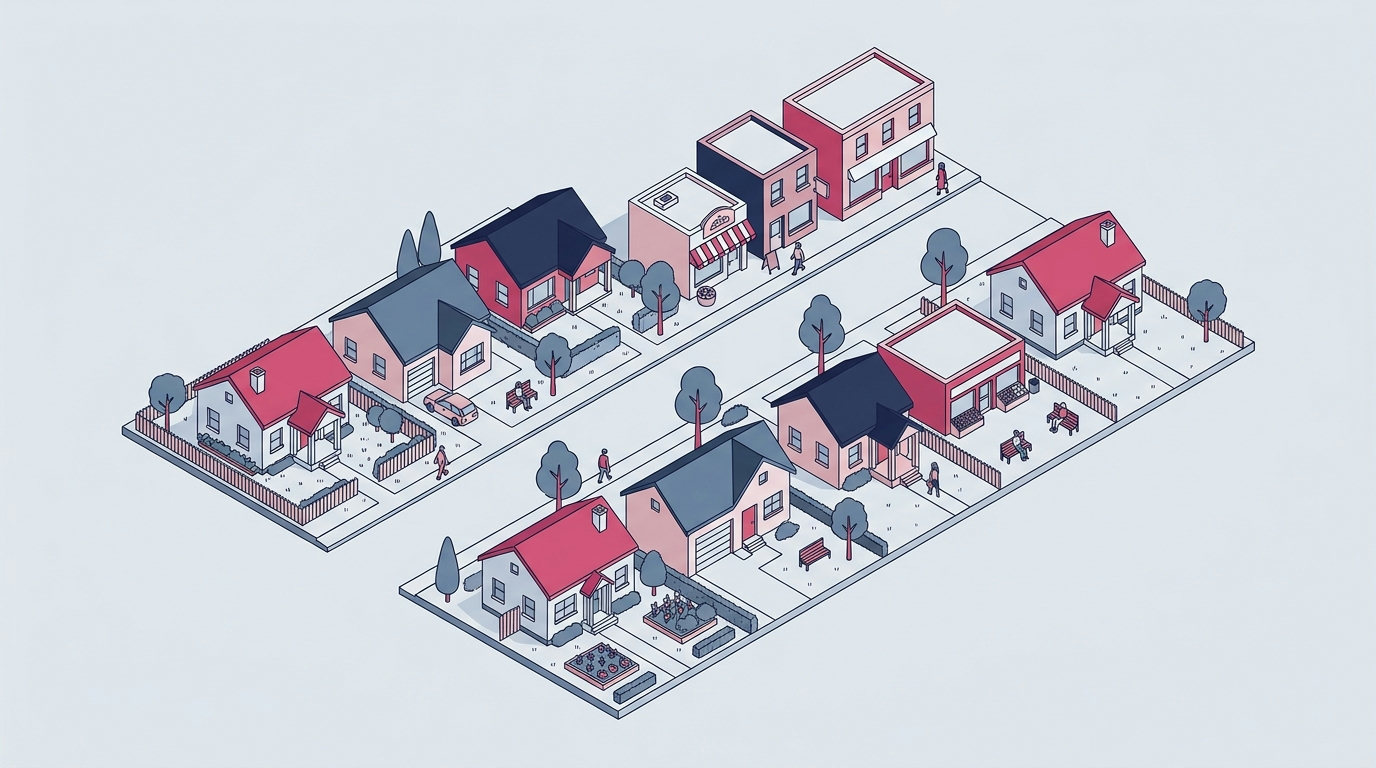
Airbnb travel generated over $93 billion in US economic activity in 2025
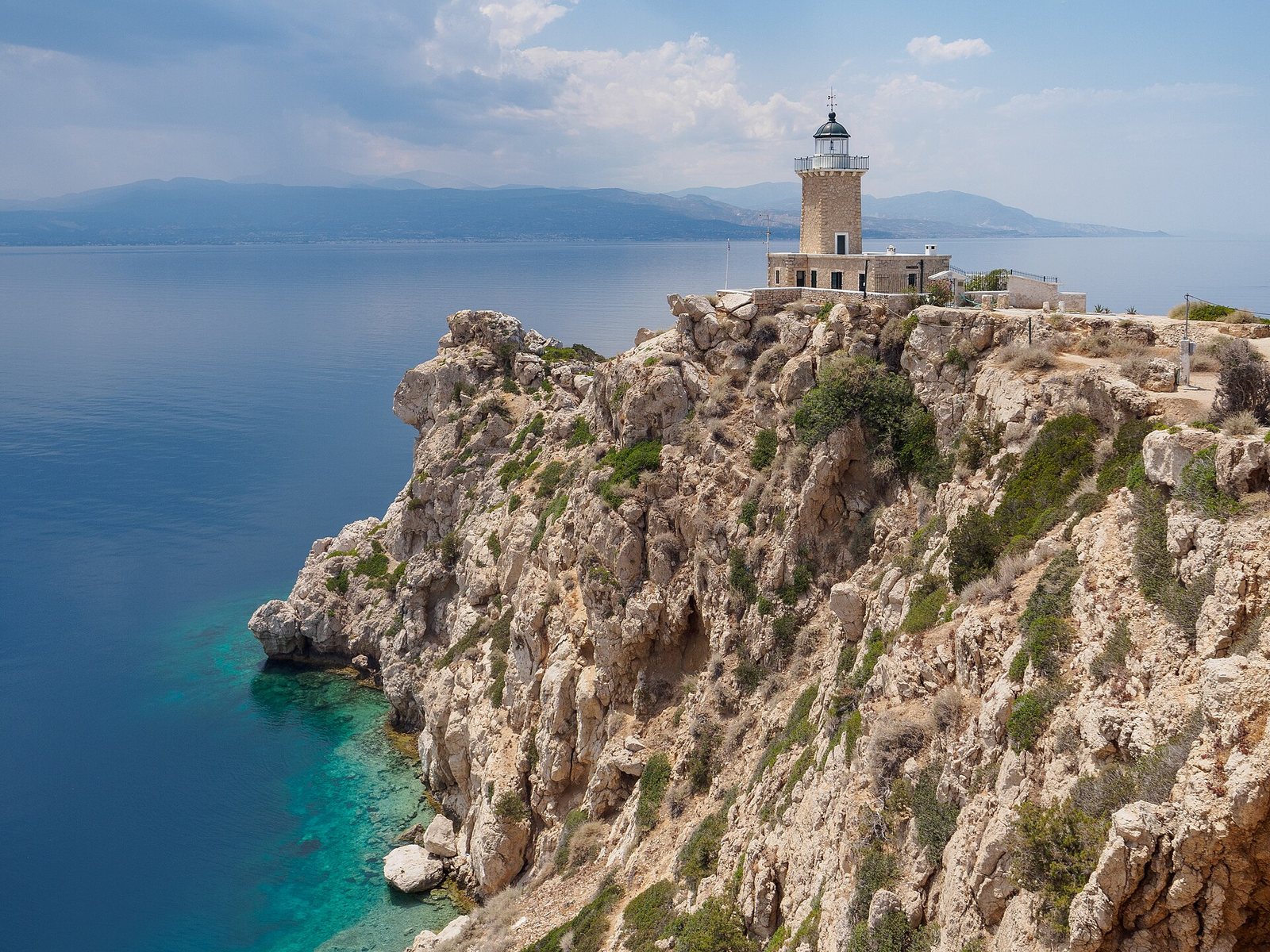
Greece Short-Term Rental Revenue per Available Night Rises 8.7% in 2026
Picture from Wikimedia Commons; licence CC BY-SA 4.0; photographer C messier
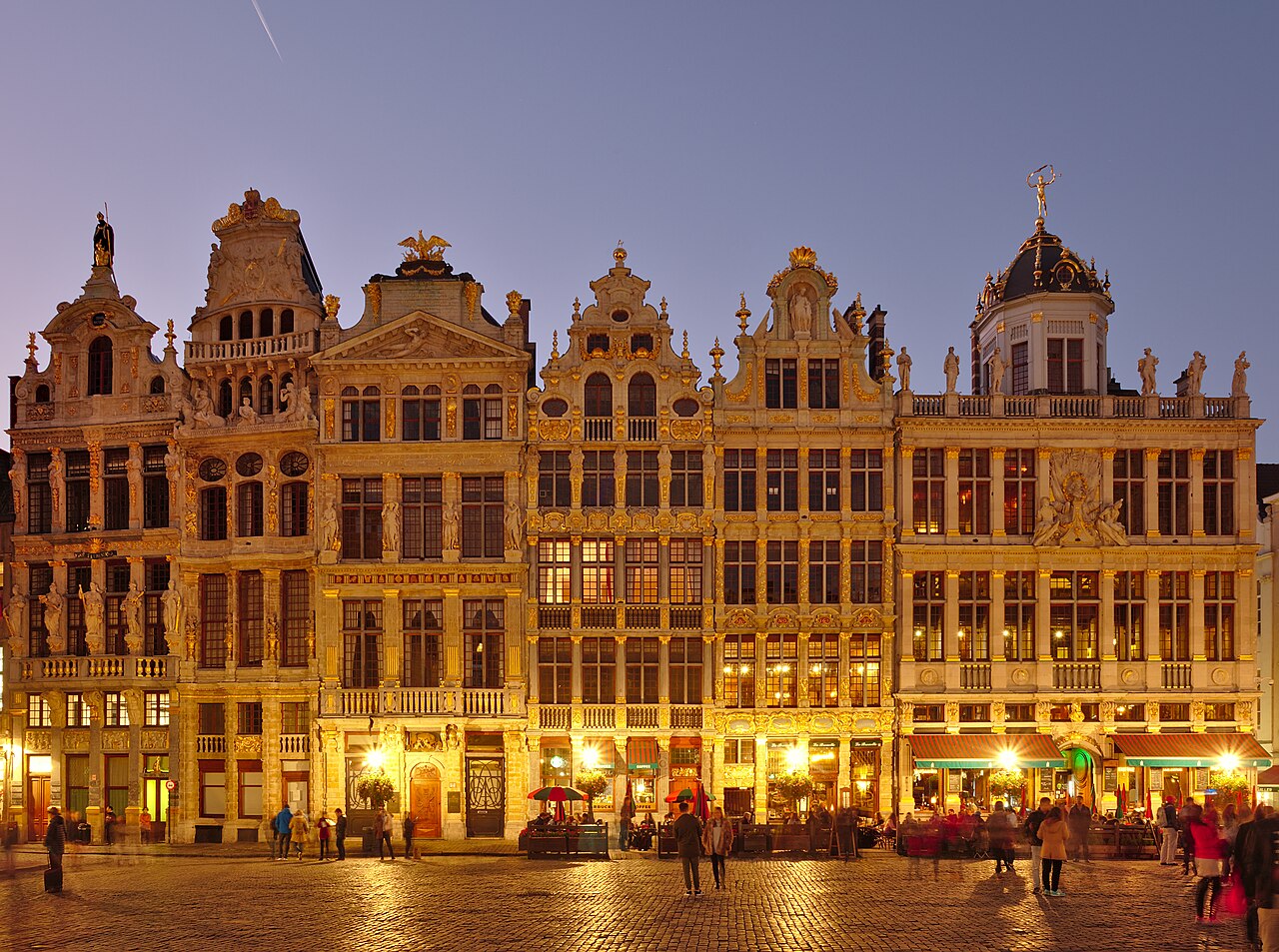
Brussels Short-Term Rental Penalties to Hit Millions by End of 2026
Picture from Wikimedia Commons; licence CC BY 4.0; photographer Trougnouf (Benoit Brummer)

Comment thread