Airbnb stays generated €836 million for small Italian towns in 2025, a June 2026 study found
A study by TEHA Group showed that the platform drove 346 million euros in direct spending across small Italian municipalities in 2025.

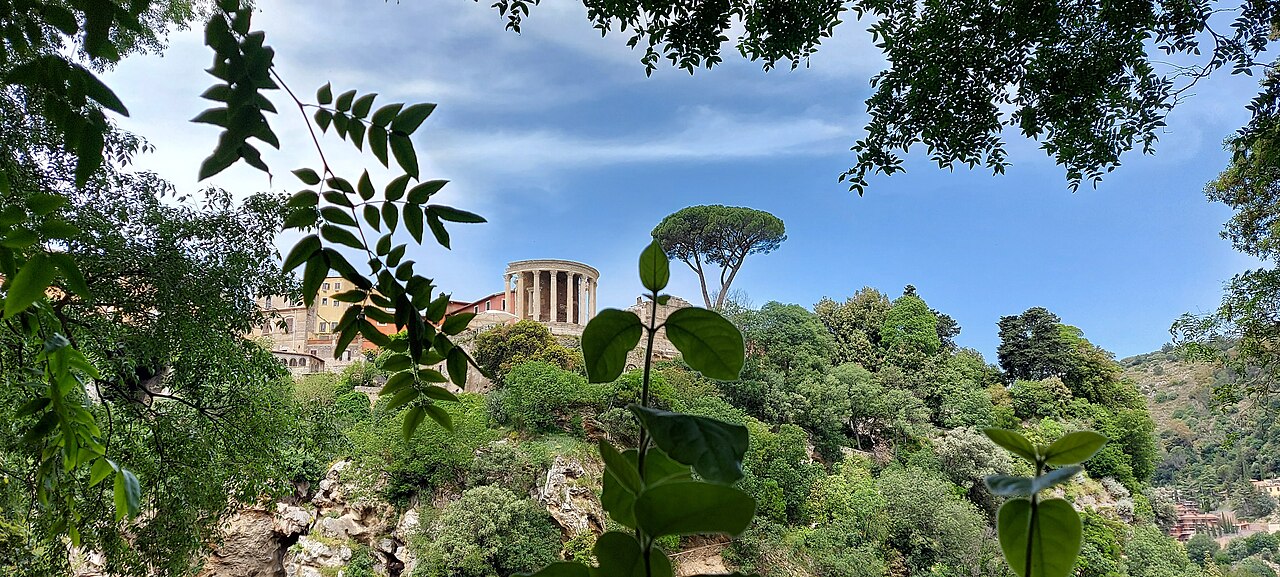
On June 17, 2026, Airbnb and the TEHA Group reported that the short-term rental platform generated a total economic impact of €836 million within small Italian municipalities during 2025. The study, which was presented at Villa Gregoriana in Tivoli, analyzed the role of home-sharing as an alternative lodging infrastructure in areas where traditional hotels are absent, showing how the platform distributed tourism spending, employment, and local income across thousands of smaller communities.
What the data shows
The report outlined a significant imbalance in the distribution of Italian tourism despite the country holding a vast spread of cultural assets. According to the TEHA Group study, Italy had the highest number of UNESCO World Heritage Sites globally, with 61 sites distributed across 330 municipalities. The country also possessed 3,392 museums, representing approximately one museum for every 90 square kilometers, alongside 298 archaeological parks, 395 Michelin-starred restaurants, and 380 recognized historic villages.
Despite this widespread cultural wealth, the study reported that Italian tourism remained heavily concentrated in a small number of destinations. The top 20 municipalities attracted 32% of all national visitors, while 80% of the provinces divided just 36% of tourist flows. Additionally, the country experienced high seasonality, with a peak index that was 10% higher than the European average, indicating severe pressure on famous destinations and underutilization of the rest of the country.
This concentration contrasted sharply with the location of Italy's cultural assets. Municipalities with fewer than 30,000 inhabitants represented 96% of the nearly 8,000 municipalities in Italy and housed more than half of the national population. The TEHA Group observatory, utilizing Airbnb platform data and official Italian statistics, found that these small municipalities contained 80% of the municipalities connected to UNESCO sites, 64% of the museums, 67% of the archaeological parks, and 73% of the Michelin-starred restaurants.
However, these small communities faced a structural limit in accommodation supply. Only 50% of small municipalities had at least one hotel, compared to 96% of larger municipalities. In this context, the study reported that non-hotel accommodation was the only form of hospitality present in 75% of small Italian municipalities, representing approximately 5,700 communities. In about one-third of these territories, Airbnb represented the only available lodging solution.
The platform's role was particularly pronounced in 688 communities that hosted UNESCO sites, historic villages, museums, archaeological parks, or Michelin-starred restaurants. In these locations, an Airbnb listing was the only overnight accommodation option for visitors. Without this capacity, these destinations would have been excluded from overnight tourism. In 2025, Airbnb enabled approximately 250,000 overnight stays and more than 60,000 arrivals in these 688 communities, with 50,000 of those arrivals coming from international travelers.
How it was measured
The figures were produced by the TEHA Group in collaboration with Airbnb. The study established the first Observatory on Distributed Tourism in Italy. The researchers used internal data from the Airbnb platform combined with official Italian national statistics to evaluate the economic and social impacts of home-sharing during the calendar year of 2025. The analysis focused specifically on small municipalities, defined as those with populations under 30,000 inhabitants, and examined the relationship between short-term rental availability, cultural attractions, visitor spending, and local employment.
Economic impact and local spending
The study detailed how guest spending translated into direct and indirect economic benefits for small towns. In 2025, Airbnb guests in small Italian municipalities generated 346 milioni di euro in direct spending. This direct expenditure was distributed across several local sectors:
- The dining sector received 143 milioni di euro.
- Local shopping accounted for 100 milioni di euro.
- Transportation services received 61 milioni di euro.
Through economic multiplier effects, this direct spending activated a total of €836 million in overall economic production. The study reported that the economic activity supported by this tourism reached approximately 4,600 full-time equivalent jobs. The research also identified a strong indirect employment effect, noting that for every job directly supported by short-term rental activity, an additional 0.9 jobs were activated in the wider local supply chain.
The report framed these economic contributions against a broader macroeconomic backdrop in Italy, where real wages fell by about 1%. In this environment, hosting on Airbnb served as a concrete and growing income supplement for local families, helping to offset the erosion of household purchasing power.
Access to remote destinations
The report highlighted how short-term rentals made remote destinations accessible to travelers who would otherwise be unable to stay overnight. According to the TEHA Group analysis, 21% of the most beautiful villages in Italy, 20% of municipalities affiliated with UNESCO, and 19% of Orange Flag communities could only be reached for overnight stays through Airbnb listings.
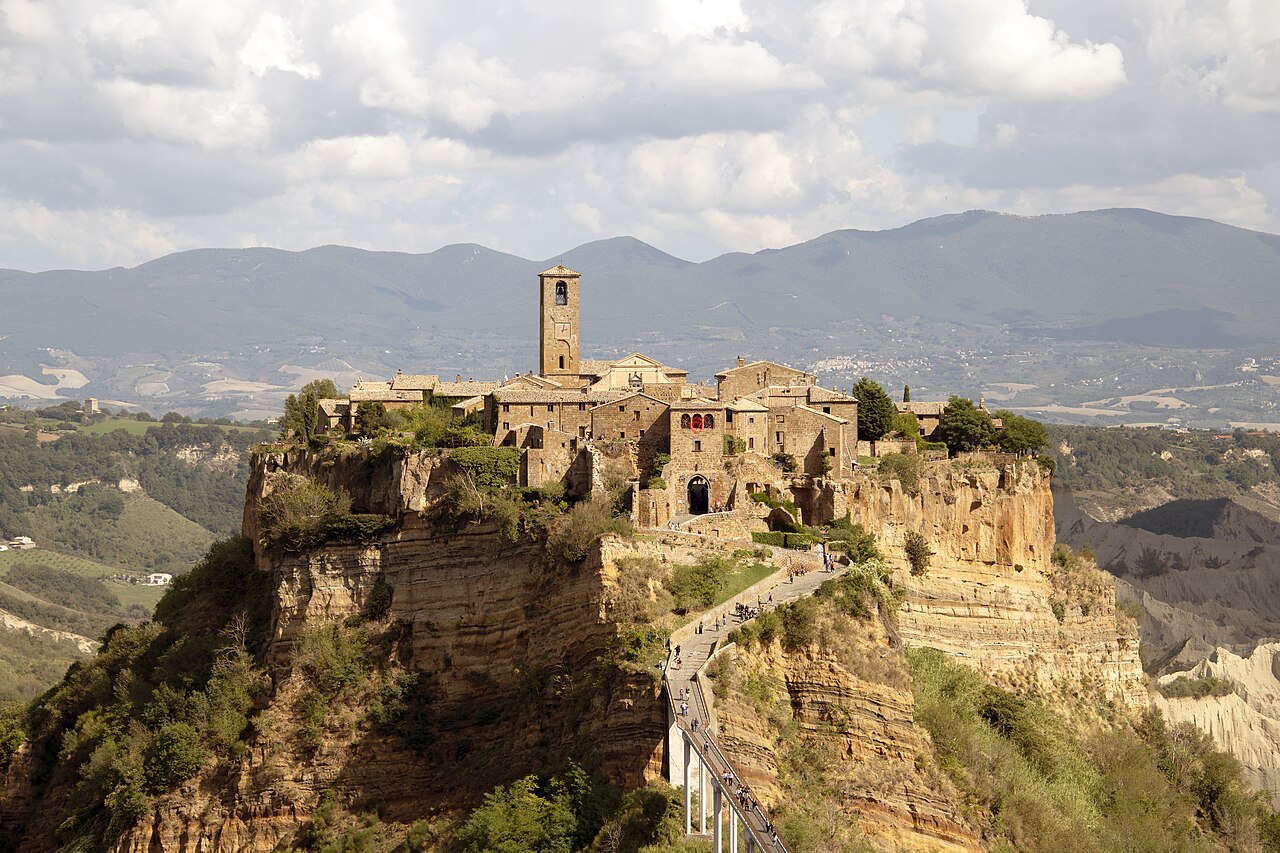
In these specific locations, Airbnb's share of the total accommodation supply was approximately 7.4 times higher than that of traditional hotels. This difference indicated that the platform played a complementary rather than a substitutive role relative to traditional hotel hospitality.
Furthermore, the platform acted as a major gateway for international tourism in rural areas. International guests accounted for 79% of all Airbnb arrivals in small Italian municipalities. This share was approximately 26 percentage points higher than the national average for international arrivals, suggesting that the platform was highly effective at drawing foreign visitors outside of the traditional urban tourism circuits.
Institutional funding and development plans
To address the challenges faced by these smaller communities, Airbnb announced a donation of 1.5 milioni di euro over three years to the National Association of Italian Municipalities during the Tivoli meeting. According to the association's leadership, these resources were slated to flow into a dedicated fund aimed at tourism development and the enhancement of rural heritage in small and medium-sized municipalities.
The fund was designed to support small businesses, local activities, community organizations, active citizenship groups, and cultural associations. The objective was to help these entities build a more sustainable, qualified, and competitive tourism offering.
The partners in the study emphasized the structural role of these investments. Matteo Sarzana, Country Manager of Airbnb Italy, stated:
“Italy possesses the richest cultural heritage in the world, and deserves to be experienced fully: not only in Rome, Florence or Venice, but in the thousands of extraordinary communities that make this country unique. This report confirms what we have always believed: that tourism, if well distributed, is one of the most powerful tools for local development.”
Gaetano Manfredi, President of the association, also noted that small municipalities and inland areas represent the backbone of Italy but face a continuous struggle against depopulation. Manfredi stated that when traditional hospitality is lacking, home-sharing can transform historical heritage into real economic activity, creating jobs and countering the abandonment of these territories.
Emiliano Briante, a partner at TEHA Group, commented on the systemic effects of this model, stating that the economic impact of €836 million reflected a multiplier effect reaching restaurants, artisans, local transport, and small businesses. Briante added that the analysis showed that where Airbnb grew, depopulation slowed, property values stabilized, and local incomes rose, representing systemic effects that traditional tourism policy had struggled to achieve on its own.
What to take from it
The findings from the TEHA Group and Airbnb study offer several long-term lessons for short-term rental hosts, property managers, and investors looking at regional markets.
- Assess local hotel density: Before investing in a regional market, operators should check whether traditional hotels are present. As the data shows, in 75% of small Italian municipalities, non-hotel lodging is the sole provider of accommodation, representing a low-competition environment.
- Target international marketing: With international guests making up 79% of arrivals in small municipalities, hosts in rural areas should tailor their listings, communication, and amenities to foreign travelers rather than domestic visitors.
- Build local business alliances: Since guests in small towns spent 143 milioni di euro on dining and 100 milioni di euro on shopping, hosts can create partnerships with local restaurants and shops to offer packaged experiences or referral discounts, enhancing the guest experience and embedding their business in the local economy.
- Monitor regional regulatory partnerships: Airbnb's 1.5 milioni di euro donation to the National Association of Italian Municipalities indicates a push for institutional alignment. Operators should keep a close eye on how local municipalities utilize these funds, as it may signal which regions are actively developing sustainable tourism infrastructure and welcoming short-term rental growth.
Figures checked by the standards desk (Paul Ostrowski): every figure in this story was matched to the source material listed below before publication. The desk's review found nothing to correct.
Sources
- Airbnb Newsroom Italia (TEHA Group study) - published June 17, 2026.
Part of the Booked News record for June 2026. The desk filed this story on October 9, 2026 from a source published in the month it covers, under the same figure rule as the daily news.
Report an error in this story · Corrections policy and log

Related stories

Alabama Farm Hosts Earned $5,695 as Airbnb Launches $250,000 Agritourism Grant Program

Weekend occupancy ran 62% higher than weekday levels in Cincinnati rentals

Airbnb travel generated $3 billion in North Carolina economic activity in 2025

Airbnb travel generated over $93 billion in US economic activity in 2025
Read the desk every morning.
Leave your address for the Booked News briefing: the day's figures on rates, occupancy, demand, fees, supply and returns, each with its source, in one short email.
Comments