Highland Council consulted on a visitor levy worth about £9 million a year in August 2026
The proposed tiered fixed-amount visitor levy could generate around £9 million a year to support tourism infrastructure and local communities across the Highlands.
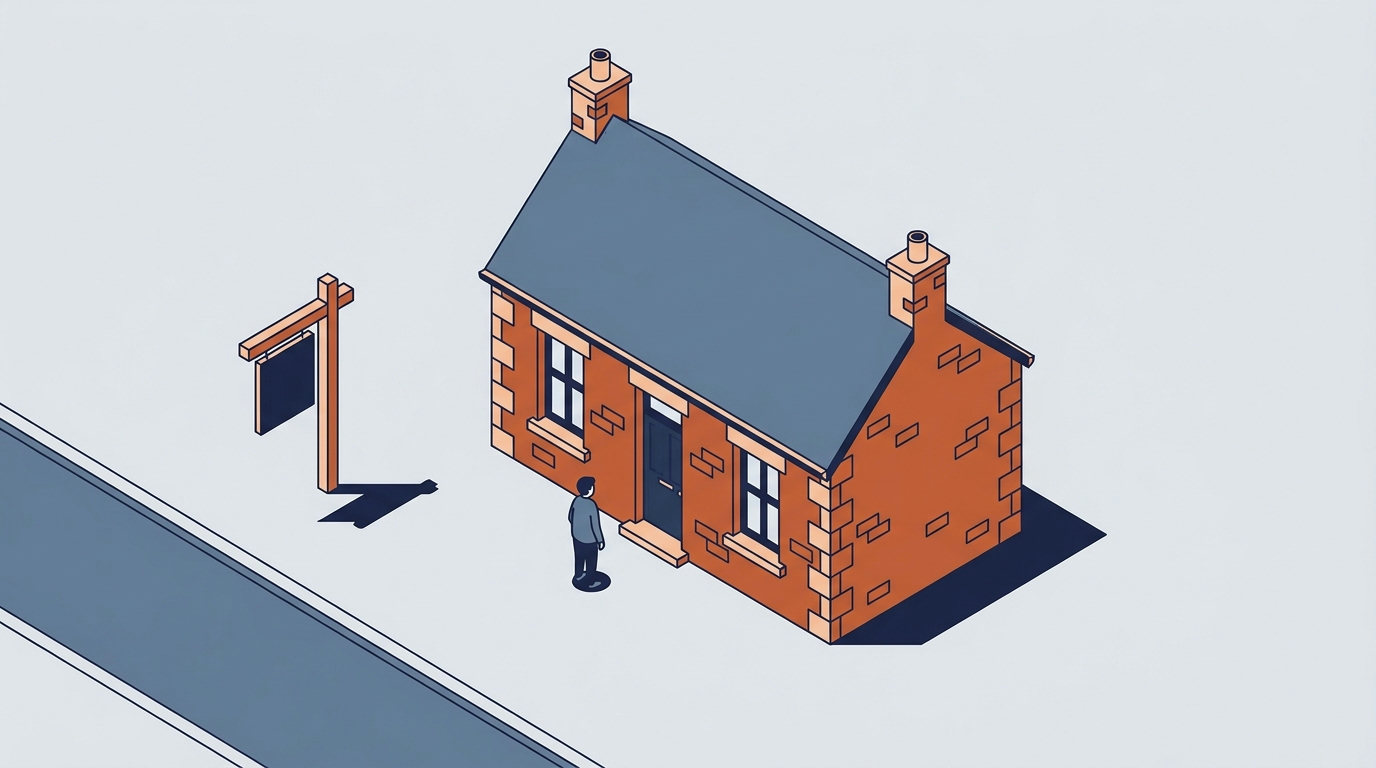
On August 25, 2026, the Highland Council agreed to launch a public consultation on a proposed visitor levy scheme that could generate around £9 million a year to support tourism infrastructure, local communities, and visitor services across the Highlands. The local authority approved the draft proposal at a special meeting, moving the region closer to introducing a fixed nightly charge on short-term rentals and other overnight accommodations.
The decision followed a shift in the council’s strategy after local tourism operators raised concerns about a previously proposed percentage-based tax. The new draft scheme proposed a tiered fixed-amount levy per room per night, which would apply across the entire Highland Council area for nine months of the year, excluding the winter months of December, January, and February.
What the data shows
Under the proposed scheme, the nightly charge would depend on the type of accommodation. A flat levy of £5 per room or accommodation area per night would apply to hotels, guest houses, bed and breakfasts, rooms in houses, short-term lets, and other similar accommodations. Meanwhile, a lower charge of £2 per room or area per night would apply to hostels, campsites, and caravan parks. This distinction means that budget travelers staying in campsites or hostels would pay less than those booking standard rooms or entire short-term rental properties.
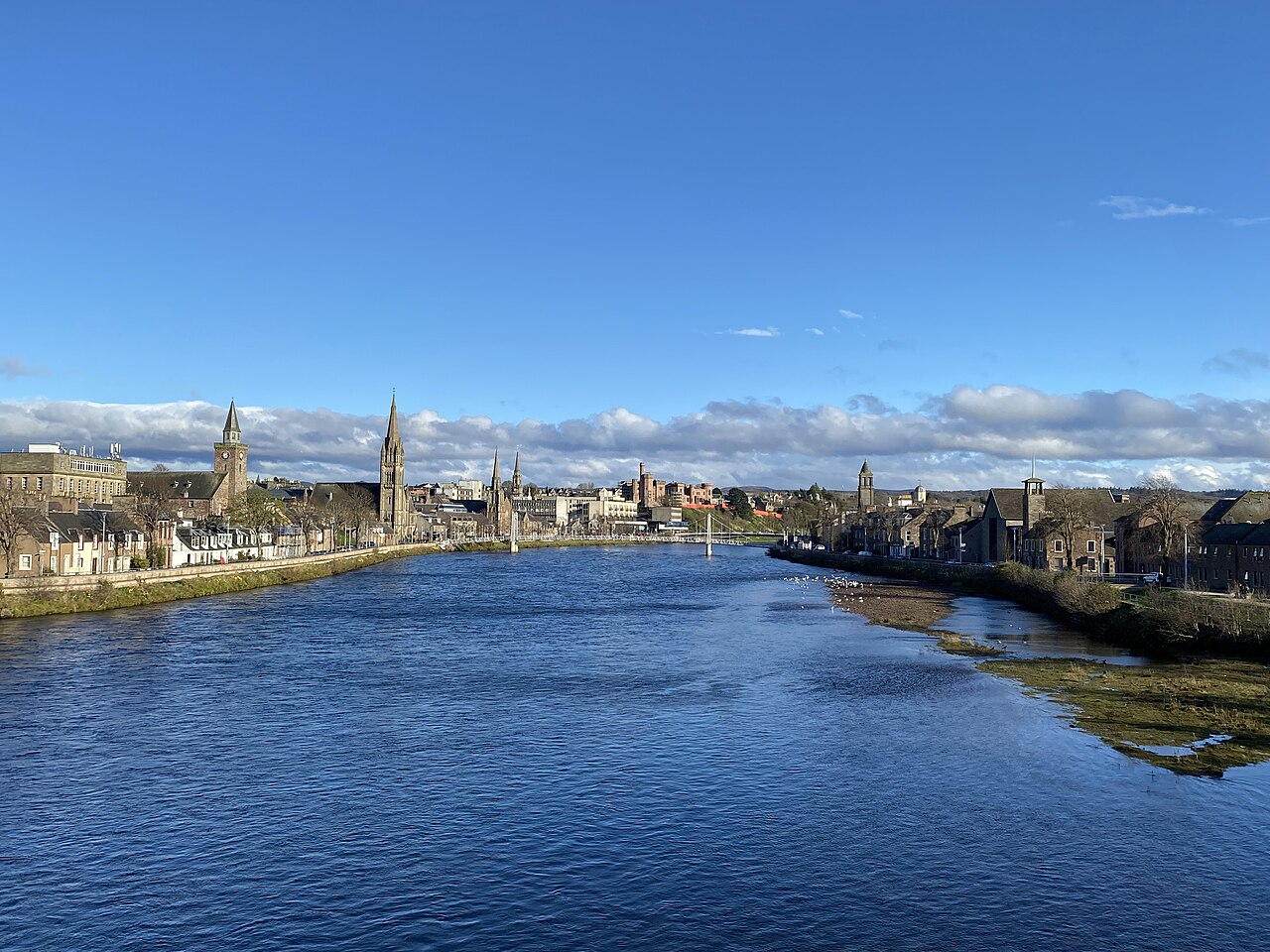
The geographic scope of the proposed levy is extensive, covering the entire Highland Council area. This means that whether a visitor stays in a major hub like Inverness or a remote destination along the North Coast 500, the same flat rates would apply. However, the levy would not be a year-round charge. The Highland Council designed the scheme to operate for only nine months of the year, specifically excluding the winter months of December, January, and February. This seasonal exclusion is intended to protect the winter tourism economy when visitor numbers are historically lower.
To help accommodation providers manage the transition, the draft proposal allows them to retain 5% of the total levy collected. This retention is intended to help cover the administrative costs associated with updating booking systems, processing payments, and managing the remittance of the tax to the council.
If the scheme is approved, the council has established an indicative framework for how the estimated £9 million in annual revenue would be reinvested. The largest portion, 50%, would be dedicated to visitor management, infrastructure, and services. Another 20% would support culture, heritage, and events. The remaining funds would be split equally, with 15% allocated to community-led projects and initiatives that help local communities benefit from tourism, and 15% dedicated to business development, skills, and workforce support.
The proposed £9 million annual revenue represents a decrease from the council's previous percentage-based levy model. Under the earlier proposal, which suggested a 5% charge on the cost of overnight accommodation, the council estimated it could raise around £10 million a year.
How it was measured
The figures and estimates presented by the Highland Council were developed through a series of consultations, legislative changes, and historical visitor data. The council's latest available figures showed a significant long-term increase in tourism activity within the region. Visitor numbers in the Highlands rose from 5.16 million in 2012 to around 9.4 million in 2024. During the same period, annual visitor spending reached more than £2.1 billion, according to council records.
The shift from a percentage-based model to a tiered fixed-amount model was directly informed by feedback from an earlier public consultation. That previous consultation attracted 4,103 responses, with many accommodation providers expressing concern over the administrative complexity of calculating a percentage-based tax.
To accommodate these concerns, the Highland Council requested changes to national legislation, which subsequently granted Scottish local authorities the legal flexibility to choose a fixed nightly charge as an alternative to a percentage-based levy. The council's draft proposal was published on August 25, 2026, to initiate a statutory 12-week public consultation starting in early September 2026 to gather further views from residents, businesses, and communities.
Why the model shifted
The transition to a tiered fixed-amount model was driven by intense feedback from the local tourism industry during early engagement efforts. Under the initial 5% percentage-based proposal, accommodation providers warned of significant administrative burdens, particularly for small-scale operators.
According to reports from the consultation, business owners were concerned about the complexity of calculating and administering a percentage charge on varying room rates. Specific concerns included the impact on small operators who were close to the Value Added Tax registration threshold, as well as the risk of putting short-term rentals and other accommodations in the Highlands at a competitive disadvantage compared to regions without such levies.
The tiered fixed-amount model was ultimately selected because of its simplicity for both businesses and visitors. By charging a flat £5 or £2 per room per night, the council sought to provide a practical approach that would be easy to understand and administer.
Who the levy affects
The proposed levy would directly affect short-term rental hosts, property managers, and other accommodation providers across the entire Highland Council area. This extensive geographic footprint includes popular tourist destinations such as Inverness, Skye, Lochaber, Caithness, and the route of the North Coast 500.
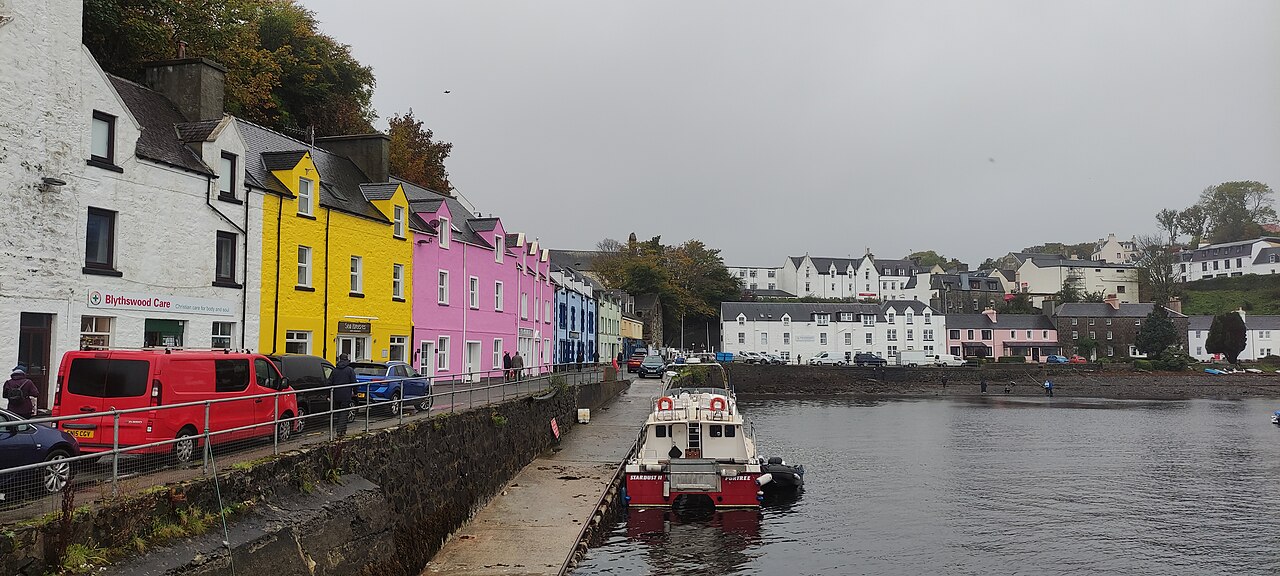
If the scheme is enacted, hosts and property managers would be responsible for collecting the nightly fees from guests and remitting them to the local authority. To offset the administrative burden, the draft scheme allows providers to keep 5% of the collected funds.
The proposal also affects local communities and the wider visitor economy. The establishment of a Highland Visitor Levy Forum, comprising businesses, communities, and tourism organisations, would be required under the legislation if the scheme is approved. This forum would advise the council on the operation of the scheme, how to prioritise investments, how to use the levy proceeds, and how to conduct future reviews of the levy.
What the figures do not tell you
While the council projected £9 million in annual revenue, the draft proposals did not specify the exact cost that accommodation providers would incur to update their booking systems, train staff, or manage the collection process. The 5% retention rate was proposed to help cover these costs, but the actual administrative expense for individual hosts remains unquantified.
Furthermore, the figures do not guarantee that a levy will be introduced. The Highland Council emphasized that no final decision had been made to implement the tax. The 12-week consultation starting in September 2026 was designed to shape the final proposals before they returned to the council for consideration in December 2026.
The available data also does not break down how much of the estimated £9 million would be generated specifically by short-term rentals compared to traditional hotels or guest houses. While visitor numbers reached around 9.4 million in 2024, the council's data did not specify the proportion of those visitors who stayed in self-catering properties versus other accommodation types.
What to take from it
Short-term rental hosts and managers operating in the Highlands must prepare for a potential shift in how local tourism is funded.
- Monitor the outcome of the December 2026 council meeting to track whether the 18-month implementation clock begins ticking toward a summer 2028 launch.
- Evaluate the administrative cost of collecting and processing the levy against the 5% retention allowance to determine if additional software or staff resources are required.
- Compare the impact of a flat £5 fee versus a percentage-based tax on your specific listing's average daily rate to understand how it affects your pricing competitiveness.
- Watch for similar proposals in other Scottish council areas, such as Edinburgh, Glasgow, Aberdeen, and West Dunbartonshire, which have already approved visitor levy schemes.
Figures checked by the standards desk (Paul Ostrowski): every figure in this story was matched to the source material listed below before publication. The desk's review raised 2 points, corrected before publication.
Sources
- The Highland Council - published August 25, 2026.
- Scottish News (Paul Trainer, 25 August 2026) - corroborating coverage.
- The Highland Council (19 August 2026) - corroborating coverage.
Part of the Booked News record for August 2026. The desk filed this story on October 9, 2026 from a source published in the month it covers, under the same figure rule as the daily news.
Report an error in this story · Corrections policy and log

Related stories
Edinburgh began charging a 5% visitor levy on overnight stays, holiday lets included, in July 2026
UK Short-Term Rental RevPAR Holds Firm as Hotels Fall 8% in Q3 2026
Photo: Dominic Nelson, CC BY-SA 4.0, via Wikimedia Commons
Airbnb host reports 50% monthly surcharge on extended stay booking

Vrbo plans to raise host commissions to 12% drawing pushback
Read the desk every morning.
Leave your address for the Booked News briefing: the day's figures on rates, occupancy, demand, fees, supply and returns, each with its source, in one short email.
Comments