Italy proposed raising flat-rate short-term rental tax to 26% in draft 2026 budget
The Meloni government's draft plan aimed to eliminate the 21% tax rate on primary listings, costing average property owners about €1,300 per year.

On October 23, 2025, Clare Speak of The Local Italy reported that the Italian government planned to raise the flat-rate tax on short-term rental income from 21 to 26 percent for all properties.
The proposed policy represented a significant shift in how Italy taxed short-term accommodation. By applying the higher rate universally, the draft budget aimed to eliminate a two-tier tax structure that had been introduced one year prior. Under that previous system, property owners paid a 21 percent tax rate on their first short-term rental property and a 26 percent rate only on additional properties. The new draft plan sought to apply the 26 percent rate to all short-term rental properties, regardless of whether an owner operated one listing or multiple listings.
What the data shows
This flat-rate tax, known in Italy as the cedolare secca, serves as a substitute tax that replaces the standard progressive income tax on rental earnings. Under the rules described in the draft budget, this 26 percent rate would apply to all short-term rentals, which Italian law defines as rentals for less than 30 consecutive days.
According to figures compiled by the industry association AIGAB, this tax increase would significantly reduce the profitability of short-term rentals for property owners. AIGAB estimated that the transition to a flat 26 percent rate would cost the owner of an average semi-suburban property approximately €1,300 per year in additional tax payments. This represents a direct reduction in net operating income for individual hosts who do not operate their properties as a registered business.
The financial impact of the proposed tax hike is further illustrated by the change in the share of revenue that owners are able to retain. Under the previous 21 percent tax rate, property owners kept roughly 34 percent of their total rental revenue after accounting for all standard operating expenses. These expenses included the flat-rate tax, cleaning costs, online platform fees, municipal tourist taxes, the IMU property tax, and utility bills. If the flat-rate tax rose to 26 percent as drafted, the share of revenue retained by the property owner would drop to 28 percent. This represents a reduction in the proportion of gross earnings that remains with the host after taxes and expenses.
The proposed tax rules maintained a strict limit on the scale of non-business rental activities. The flat-rate tax system only covers individuals who rent out up to four properties. If an owner operates more than four short-term rental properties, the activity is legally classified as a business under Italian law. Beyond this four-property threshold, operators are required to obtain a VAT number and comply with corporate tax regulations rather than utilizing the cedolare secca system.
How it was measured
These official policy proposals were analyzed and reported by Italian media outlets and the industry publication InfoHotel Online.
The estimates regarding the financial impact on property owners were calculated by the industry association AIGAB. AIGAB determined the €1,300 annual cost increase and the shifting revenue retention percentages (from 34 percent down to 28 percent) based on the operating expenses of an average semi-suburban rental property. However, the source did not publish the specific methodology, sample size, or geographic distribution of the properties used by AIGAB to calculate these averages. The source also did not provide a detailed breakdown of the specific utility costs, platform fees, or municipal property taxes used to establish the baseline expenses for a typical semi-suburban listing.
Policy drivers and political opposition
According to reporting by InfoHotel Online, the Italian government had two primary objectives when drafting the tax increase. First, the administration needed to generate additional tax revenue to fund other public spending measures contained within the broader 2026 budget. Second, government officials aimed to discourage the expansion of short-term tourist rentals in Italian cities where residential housing had become increasingly scarce and expensive for local residents.
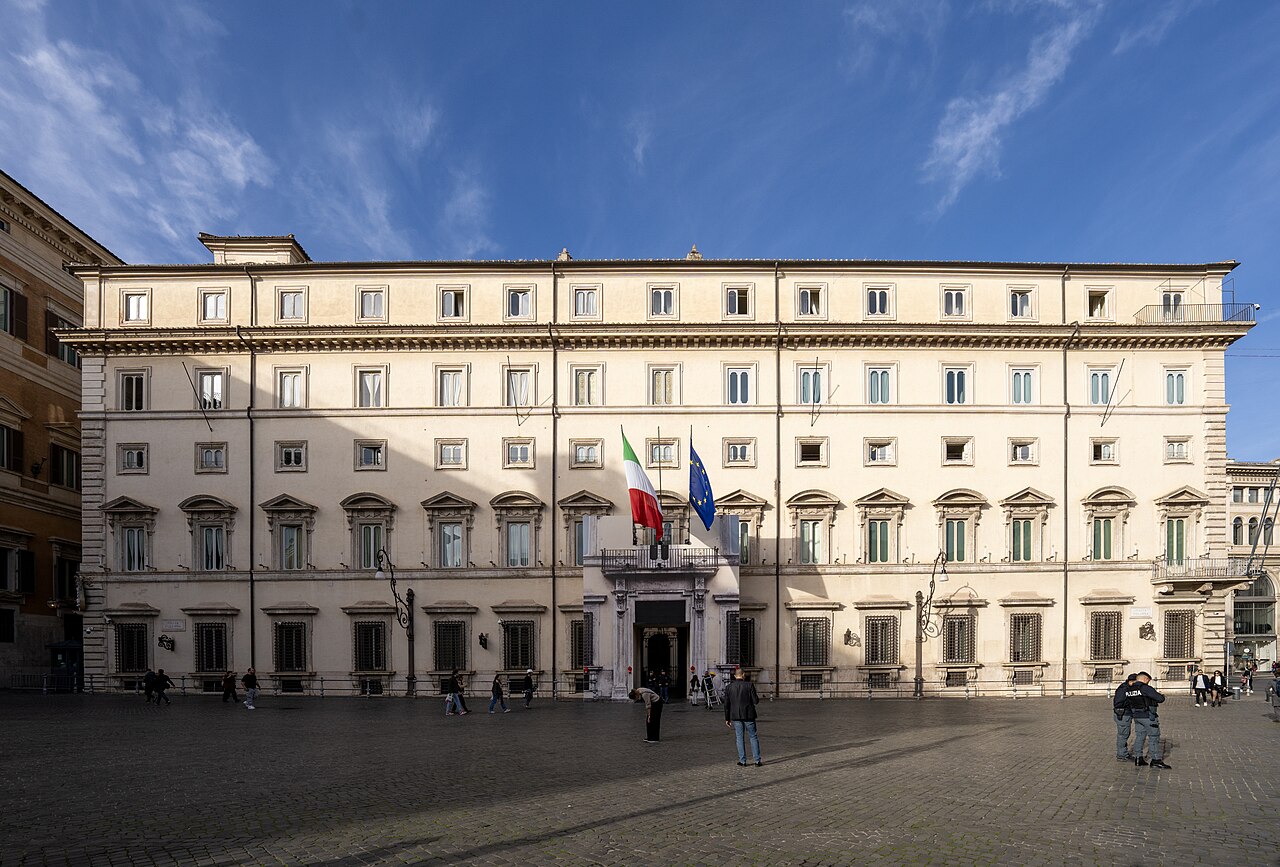
The proposed tax hike met with immediate political opposition from within the ruling government coalition. Deputy Prime Minister Antonio Tajani publicly opposed the measure, stating that his Forza Italia party would never vote for the tax increase. At the time of reporting on October 23, 2025, the budget bill appeared to be stalled in the Italian parliament due to disagreements among the coalition parties regarding the rental tax provision. Because of this political friction, observers noted that the tax measure could be modified, reduced, or entirely removed from the budget text before the final legislation was approved by parliament.
Industry representatives also questioned whether raising the flat-rate tax would successfully address housing scarcity in urban areas. Giorgio Spaziani Testa, the president of the housebuilders association Confedilizia, argued that alternative policies would be more effective at encouraging property owners to transition their listings to the long-term rental market. In an interview with the newspaper Il Corriere della Sera, Spaziani Testa suggested that the government should focus on providing greater security and incentives for long-term landlords.
“It would be better to introduce measures such as cutting the IMU property tax by 50 percent. We need more guarantees for owners who choose long-term rentals.”
Who the tax hike affects
The proposed tax increase directly affects private individuals who rent out residential properties in Italy for periods of less than 30 consecutive days and who do not operate as a registered business. This group comprises hosts who manage between one and four properties. Under the draft budget, these individual hosts would no longer have access to the lower 21 percent tax rate on their primary rental property, forcing them to pay the 26 percent rate on all short-term rental income.
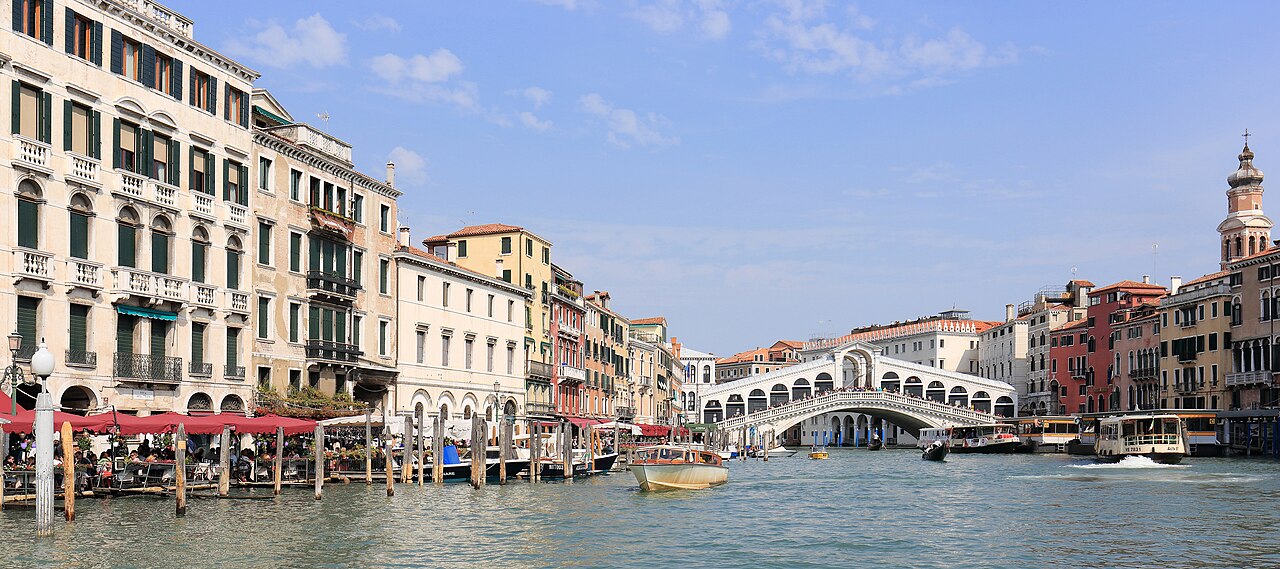
The policy also affects corporate entities, property management companies, and online booking platforms like Airbnb. In Italy, these platforms and management companies are legally responsible for collecting rental payments on behalf of property owners and withholding the appropriate taxes. If the flat-rate tax rose to 26 percent, these intermediaries would be required to update their payment processing systems and tax withholding mechanisms to reflect the higher rate for all transactions, regardless of the owner's property count.
Furthermore, the tax hike impacts the broader investment landscape for short-term rentals. With net profit margins compressed by the drop in retained revenue, individual investors and property owners would face longer payback periods and reduced yields. This compression could influence decisions regarding property acquisitions, maintenance budgets, and pricing strategies on major booking channels.
Alternative taxation pathways
If the 26 percent flat-rate tax were to become law, property owners in Italy would still retain the right to choose between the cedolare secca flat-rate system and the standard progressive income tax system, known as IRPEF. The IRPEF system utilizes progressive tax brackets and allows property owners to claim various financial deductions to offset their taxable income.
According to analysis by InfoHotel Online, the flat-rate tax system typically remains the most advantageous and predictable option for individuals who own a small number of properties and prefer a simplified tax filing process. Conversely, the standard progressive IRPEF system might only save money for hosts in specific financial circumstances. For example, the progressive system could be more cost-effective if an owner has substantial deductible personal expenses. These deductible expenses can include significant medical costs, mortgage interest payments on a primary residence, or tax credits earned through property renovation projects. Because of the complexity of comparing these two tax pathways, industry experts advised affected property owners to consult with a qualified accountant or financial advisor to determine the most tax-efficient strategy for their specific portfolios.
What to take from it
The debate surrounding Italy's draft 2026 budget highlights the volatile regulatory landscape that short-term rental operators must manage when handling international property portfolios.
- Monitor legislative drafts early to anticipate changes in flat-rate tax structures before they are formally codified into law.
- Compare the net returns of the flat-rate tax system against progressive income tax models, taking into account personal deductible expenses like mortgage interest and renovation credits.
- Assess the financial viability of individual listings using a net revenue retention model that accounts for municipal property taxes, platform fees, and potential tax rate increases.
- Track local property thresholds, such as Italy's four-property limit, to ensure compliance with business registration and VAT requirements.
Figures checked by the standards desk (Paul Ostrowski): every figure in this story was matched to the source material listed below before publication. 1 figure that could not be matched was removed. The desk's review raised 1 point, corrected before publication.
Sources
- The Local Italy - published October 23, 2025.
Part of the Booked News record for October 2025. The desk filed this story on October 9, 2026 from a source published in the month it covers, under the same figure rule as the daily news.
Report an error in this story · Corrections policy and log

Related stories

Greece Reports 973 Million Euros in Declared Short-Term Rental Income for 2025
Photo: Jakub Hałun, CC BY 4.0, via Wikimedia Commons

Airbnb host-only service fee transition reaches Europe on October 13

Spain rents reach 15.10 euros per square meter as housing decrees fail in parliament

British searches for Tromsdalen, Norway rose over 200% for autumn 2026, Airbnb reported
Read the desk every morning.
Leave your address for the Booked News briefing: the day's figures on rates, occupancy, demand, fees, supply and returns, each with its source, in one short email.
Comments