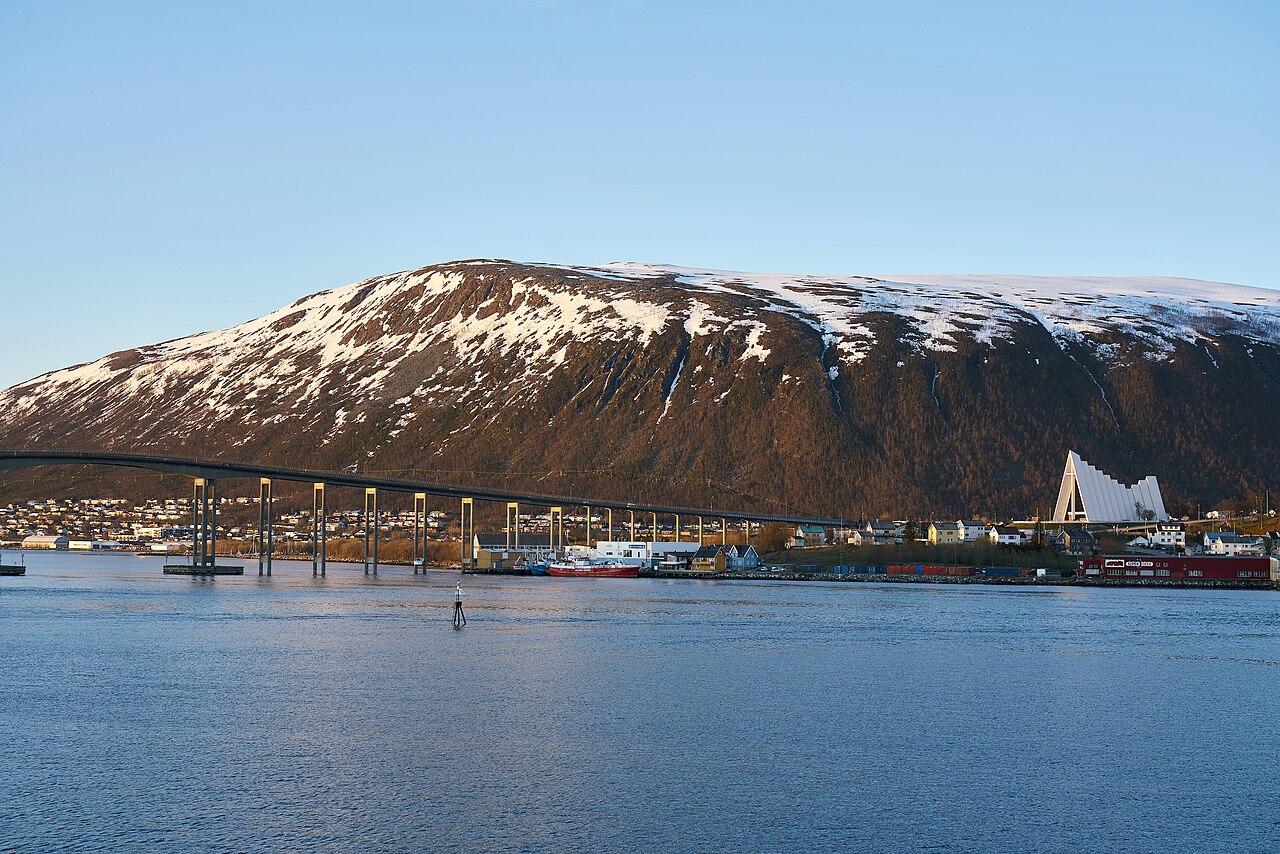
British searches for Tromsdalen, Norway rose over 200% for autumn 2026, Airbnb reported
Searches by British guests rose across Alpine towns and rural UK spots, while one-night stays accounted for 31% of Gen Z trips in EMEA.

On September 24, 2026, Airbnb reported that searches by British guests for Tromsdalen, Norway rose over 200% year-on-year for autumn 2026. The platform’s quarterly trend forecast showed rising search activity for northern celestial viewing destinations, off-season Alpine mountain markets, and rural domestic retreats across the United Kingdom.
The company also stated that shorter stays were driving travel patterns among younger demographics across Europe, the Middle East, and Africa, with 31% of stays among Gen Z guests lasting only one night.
What the data shows
According to Airbnb, British search demand for autumn 2026 expanded across international outdoor destinations, national parks, and European mountain towns. Searches for northern destinations associated with the Northern Lights rose notably: Tromsdalen was up over 200%, Lofoten in Norway rose 69%, and Hornafjörður in Iceland rose 31% compared to the prior year.
Mountain destinations in Europe saw similar increases ahead of the traditional ski season. Airbnb reported that searches among British travellers rose 159% for Ortisei and 131% for Cortina d’Ampezzo in the Italian Dolomites. In Slovenia, searches for Bovec rose 134% and Bohinj rose 104%. Searches for Trentino-Alto Adige in Northern Italy increased 93%.
Within the United Kingdom, domestic rural destinations recorded double-digit search growth for autumn 2026. Airbnb reported search growth was led by Inverness in Scotland, up 65% year-on-year. Searches rose 44% for Powys in Wales, 37% for the Yorkshire Dales in England, 30% for Northumberland and the Scottish Borders, and 25% for Herefordshire and Mid Wales.
The platform also identified shifting length-of-stay dynamics. Across EMEA, 31% of stays among Gen Z travellers lasted only one night, which Airbnb identified as the highest share of any generation. In addition, Airbnb research stated that travellers aged 18 to 34 year olds were more than four times more likely to have made a football-based trip in the last five years.
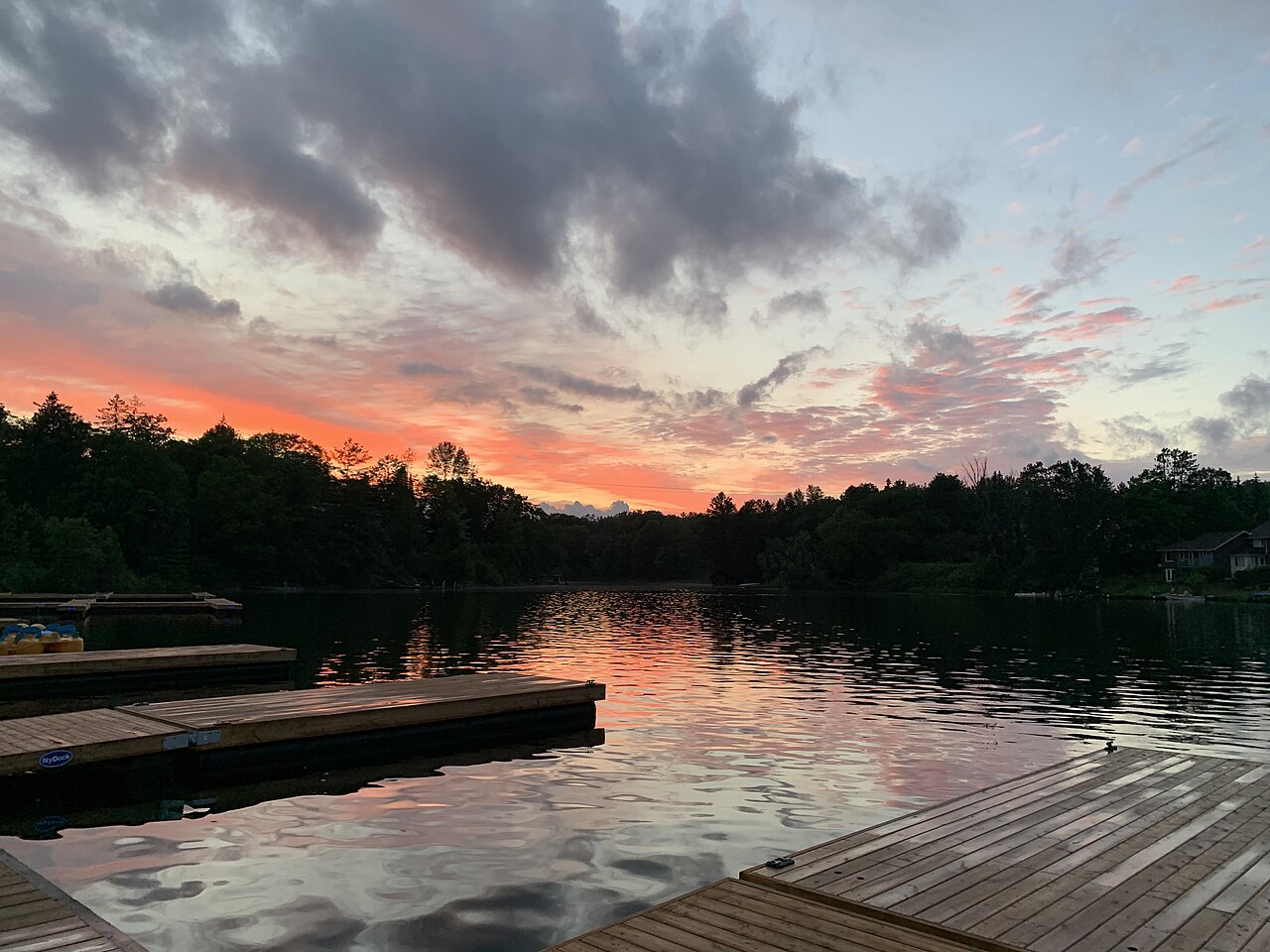
International shoulder-season locations outside the Alps also experienced higher search interest. Searches by British guests rose 138% for Muskoka, Ontario, Canada. In Greece, searches rose 88% for Sifnos, 68% for Folegandros, 68% for Lefkada, 58% for Amorgos, and 47% for Chalkidiki. Wine harvest regions in Europe saw search increases as well, including an 89% rise for the Mosel region in Germany, 42% for the Lot in France, and 28% for West Styria in Austria.
How it was measured
The figures were compiled by Airbnb and published in its Autumn Travel Trend Forecast on September 24, 2026. The data reflects searches conducted by users based in the United Kingdom for travel during the autumn 2026 period, compared year-on-year against the corresponding period in 2025.
For demographic metrics, Airbnb measured completed or booked accommodation reservations across the EMEA region to identify the share of single-night stays by generation. For sports travel behaviour, the company cited internal research surveying or evaluating guests aged 18 to 34 year olds over a five-year lookback period. Airbnb did not publish the exact dates of the search tracking window, the absolute volume of search queries, or the underlying sample size for its research survey.
Entertainment and events driving search volume
Airbnb attributed parts of the search movement to popular culture, sports scheduling, and media visibility. In Canada, the company noted that the Muskoka region served as the filming backdrop for the television series Sterling Point and Heated Rivalry, which coincided with searches rising 138% among British guests.
In Greece, where multiple islands saw double-digit search gains, Airbnb pointed to the release of Christopher Nolan’s feature The Odyssey as a factor encouraging shoulder-season interest. Similar cultural references were noted for domestic interest, with the scheduled cinematic release of Practical Magic 2 in September linked to earlier interest in folklore-themed and woodland properties.
Event travel also moved demand patterns. Gen Z guests targeted trips around the Premier League season and music events, such as Noah Kahan’s tour. The return of the WSL season, for which Airbnb served as the Official Accommodation and Unique Experiences Partner, was identified as another driver of fan movement across domestic markets.
Implications for listing turnover and operations
The data points directly to operational shifts for hosts and property managers operating in secondary and rural markets. A higher concentration of single-night stays, as seen in the 31% figure for Gen Z travellers across EMEA, alters operational economics. Single-night bookings increase turnover frequency, cleaning overhead, and check-in logistics compared to week-long holidays.
Rural and mountain markets that historically relied on winter sports or summer peak weeks saw demand stretching into the shoulder months. In destinations such as Bovec, Bohinj, and the Yorkshire Dales, elevated search activity indicates guest interest outside standard operating calendars. However, managing shoulder-season demand requires balancing cleaning fees and minimum-stay requirements against guest preferences for shorter trips.
Rankings of top trending rural destinations published by Airbnb also outlined international and domestic interest rankings for autumn 2026. The domestic list included Inverness, Powys, Yorkshire Dales, Northumberland and the Scottish Borders, Herefordshire and Mid Wales, Wiltshire, Stratford-on-Avon, Perth and Kinross, South Northamptonshire, and East Lindsey. The international list for UK guests featured Muskoka in Ontario, Canada; Bovec in Slovenia; Lake Atitlán in Guatemala; the Veneto Mountains in Italy; Bohinj in Slovenia; Trentino-Alto Adige in Northern Italy; Mosel in Germany; Hotton in Wallonia, Belgium; Budva in Montenegro; and Sifnos in the Cyclades, Greece.
What the metrics leave unanswered
While percentage growth rates were substantial across many destinations, Airbnb’s report did not disclose baseline search counts. A destination rising significantly, such as Tromsdalen, could represent an increase from a very small number of initial searches. Without raw query volumes, property managers cannot determine whether a percentage increase reflects thousands of prospective visitors or a minor statistical bump.
Furthermore, search queries do not directly convert into confirmed reservations, occupancy, or revenue. Airbnb did not report conversion rates from search to booking for autumn 2026. The dataset also omitted financial performance indicators such as average daily rates, revenue per available room, or overall market supply growth across the mentioned regions.
What to take from it
Evaluating platform search forecasts requires separating browsing enthusiasm from realized market demand.
- Treat search spikes as top-of-funnel indicators rather than guaranteed occupancy, and track whether local booking pace actually matches platform trend claims.
- Review minimum-night rules when targeting younger demographics, noting that single-night stays accounted for nearly a third of Gen Z trips in EMEA.
- Evaluate whether regional shoulder-season demand warrants extending property availability into months traditionally treated as dormant off-season periods.
- Check the denominator on percentage growth figures in future quarterly releases to see whether the platform provides absolute query counts or booking conversion rates.
Figures checked by the standards desk (Paul Ostrowski): every figure in this story was matched to the source material listed below before publication. The desk's review raised 1 point, corrected before publication.
Sources
- Airbnb Newsroom (UK) - published September 24, 2026.
Part of the Booked News record for September 2026. The desk filed this story on October 9, 2026 from a source published in the month it covers, under the same figure rule as the daily news.
Report an error in this story · Corrections policy and log

Related stories

How property management fees and listing channels shape short-term rental revenue
UK Short-Term Rental RevPAR Holds Firm as Hotels Fall 8% in Q3 2026
Photo: Dominic Nelson, CC BY-SA 4.0, via Wikimedia Commons

Airbnb host-only service fee transition reaches Europe on October 13

UK forward occupancy for August and September 2026 paced 5% lower as rates rose
Read the desk every morning.
Leave your address for the Booked News briefing: the day's figures on rates, occupancy, demand, fees, supply and returns, each with its source, in one short email.
Comments