Kansas City World Cup Direct Spending Hit $570 Million, Below $650 Million Estimate
Short-term rental revenue grew more than 76% year over year as 680,000 visitors entered Kansas City, but shorter stays kept spending below projections.
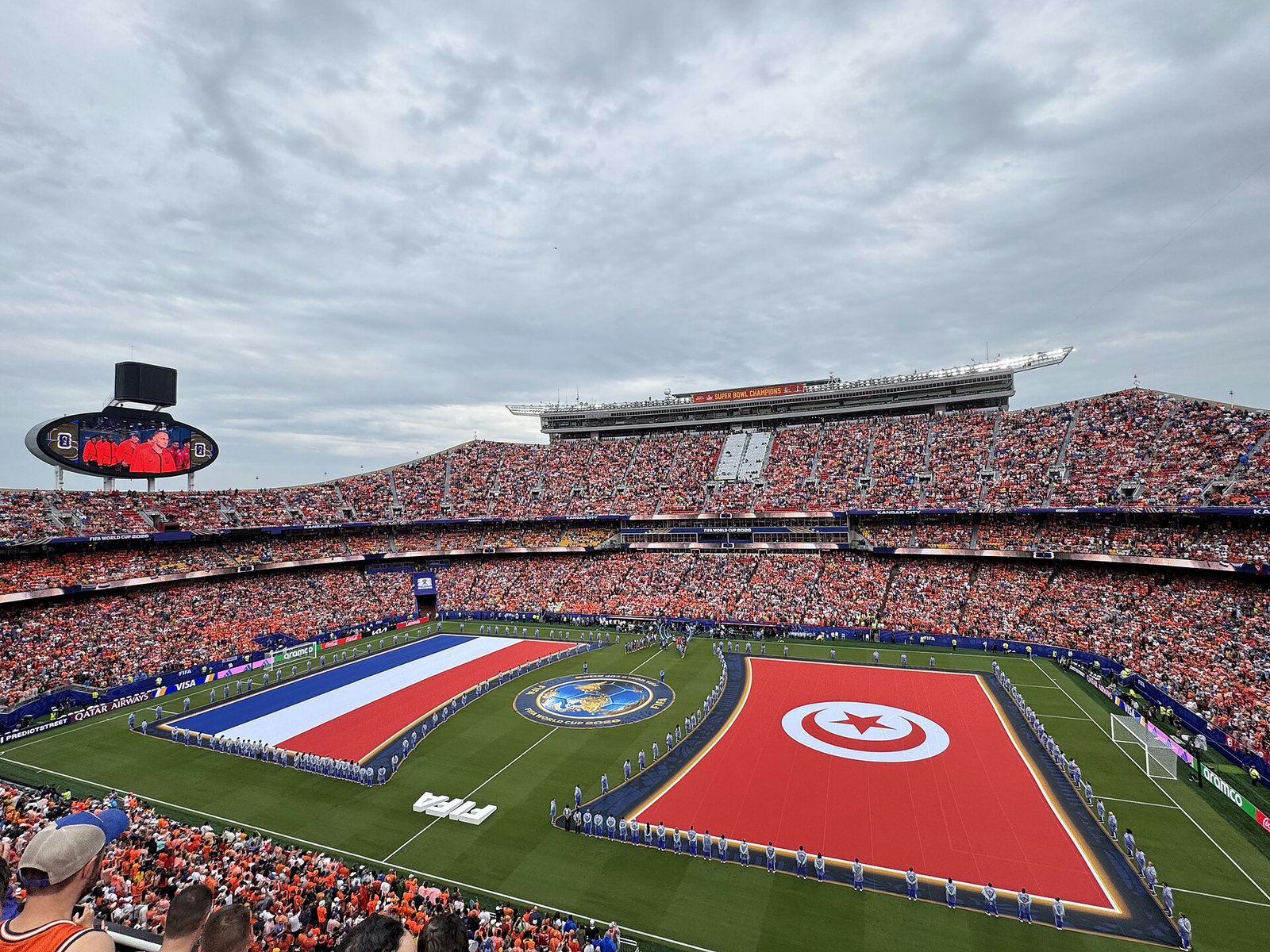
Arrowhead Stadium during the 2026 FIFA World Cup match between the Netherlands and Tunisia in Kansas City. Picture from Wikimedia Commons: “Netherlands vs Tunisia - 2026 FIFA World Cup, Kansas City”. Photographer CNC33. Licence CC BY 4.0. Resized from the original.
Kansas City generated $570 million in direct spending during the FIFA World Cup, according to a report released by city tourism organization VisitKC. The total fell short of the $650 million originally predicted by the agency, despite total visitor arrivals exceeding initial estimates.
VisitKC reported that an estimated 680,000 visitors entered the metropolitan area between June 11 and July 19. That figure surpassed the initial agency forecast of 650,000 visitors. However, overall revenue failed to meet expectations because the region recorded fewer international travelers and shorter average stays than organizers anticipated.
What the data shows
The $570 million in direct spending generated by World Cup activity was distributed across nine counties: Cass, Clay, Douglas, Jackson, Johnson, Leavenworth, Platte, Miami and Wyandotte. While total direct spending missed the $650 million estimate made by VisitKC prior to the event, specific sectors within the hospitality industry generated substantial top-line gains.
Hotels in the Kansas City area generated more than $119 million in room revenue between June 14 and July 11. Short-term rentals generated $15.6 million in total direct spending across the market. Short-term rental bookings in the area rose 16.5% compared to the prior year. Room revenue for short-term rentals grew by more than 76% year over year during the tournament window.
Food and beverage establishments accounted for a major share of direct visitor spending. Area municipalities allowed extended operating hours at designated bars across the metropolitan region, which helped drive revenue in the dining and nightlife sector. However, VisitKC noted that consumer spending was not distributed evenly among small businesses throughout the nine-county area. Businesses located in primary entertainment corridors captured a higher concentration of visitor traffic, while smaller operators in outlying areas saw varied results.
How it was measured
The visitor and spending figures were calculated and compiled by VisitKC, the official tourism and marketing organization for Kansas City, alongside regional organizing partners. VisitKC defined a visitor as any individual traveling into the metropolitan area from outside the city limits for a distinct trip.
Under VisitKC methodology, an individual guest who arrived in Kansas City and stayed for multiple consecutive days was registered as one single visitor. Conversely, if an individual left the city boundaries and returned at a later point during the tournament for another trip, each trip was counted as an independent visitor entry. The primary monitoring period for overall visitor traffic covered June 11 through July 19. Hotel direct spending calculations were calculated using room receipts recorded from June 14 to July 11.
AirDNA established that the growth in short-term rental revenue across the Kansas City market was driven primarily by increased nightly pricing rather than an expansion in total booking demand.
International travel and length of stay
The gap between projected and actual direct spending was driven largely by lower-than-expected international travel volumes and shortened lengths of stay. Kathy Nelson, president and CEO of VisitKC and the Kansas City Sports Commission, stated that foreign visitor arrivals were constrained by federal travel conditions and enforcement policies.
International travelers faced deterrents including the potential threat of $15,000 entry bonds and concerns regarding potential detainment by U.S. Immigration and Customs Enforcement. Travel originating from Canada declined more than VisitKC had originally projected. Among foreign nations that sent visitors to the region, the largest visitor counts originated from Argentina, the Netherlands, Ecuador and Mexico.
When international visitors did travel to Kansas City, their length of stay fell far short of preliminary figures provided by tournament organizers. FIFA had instructed host cities to expect foreign visitors to stay an average of approximately 10 nights. However, VisitKC reporting showed that international visitors stayed an average of only 2-3 nights per trip.
Accommodations connected to regional team facilities also experienced lower occupancy than predicted. Kansas City and Lawrence hosted four official base camps for participating teams, but these locations did not generate the volume of long-term guest stays that local planners had factored into original financial forecasts.
Short-term rentals and lodging revenue
Despite missing gross expenditure targets across the broader nine-county region, lodging operators achieved significant revenue gains due to elevated rate structures. Short-term rentals produced $15.6 million of direct spending during the tournament window. While physical bookings grew 16.5% since last year, short-term rental room revenue surged by more than 76% year over year.
This divergence between booking growth and revenue growth reflects the pricing dynamics identified in AirDNA research. Property hosts and professional managers raised nightly rates significantly during match windows, driving total revenue higher even as underlying room nights booked grew at a lower rate.
Hotels similarly captured a large portion of overall event spending, earning more than $119 million in room revenue between June 14 and July 11. Together, hotel room revenue and short-term rental spending represented a major share of the $570 million total direct spending generated across Cass, Clay, Douglas, Jackson, Johnson, Leavenworth, Platte, Miami and Wyandotte counties.
Public spending and municipal services
Kansas City spent approximately $200 million in public funds to host the World Cup matches and prepare regional municipal infrastructure. Public investments covered transportation service expansions, public space improvements, and business support programs.
The city instituted the Open Doors! program to provide support services to local small businesses during the event window. Municipal agencies also upgraded local parks and public facilities throughout the city. Transportation planning was coordinated by KC2026, the city planning committee, which arranged supplemental transit services alongside increased route frequencies operated by the Kansas City Area Transportation Authority. In Johnson County, Kansas, officials added a new direct transit route linking local hubs directly to the airport.
Mayor Quinton Lucas expressed optimism about the broader civic impact, noting that municipal leaders intend to maintain certain transit and service improvements permanently. Lucas stated that the city plans to leverage the tournament’s operational record to recruit future major sporting events, including the NCAA Men’s Final Four, the FIFA Women’s World Cup, and the Men’s Rugby World Cup in 2031.
Lucas highlighted the local economic returns generated by visitor spending:
“This is more money coming to your neighbors,” Lucas said. “This is more money coming into your local government coffers to help pay for all the things that are necessary. Hopefully it is something that helps a lot of other people look to build other events for the future, building out restaurants, building out businesses and building up areas of our city.”
Lucas added that maintaining these public services will require identifying permanent revenue sources:
“The question for us isn't whether it was a success; it was,” Lucas said. “The question isn't whether we can figure out how to get people to places. The question for us, long term, is how do we have the revenues to sustain it? I think that's going to be the work that we all do in government positions, long term.”
VisitKC executive Kathy Nelson noted that the total direct spending represents an unprecedented financial surge for the metropolitan area:
“For all of us in our careers and in our lifetimes, we probably will never see anything else that would compare to $570 million in economic impact over the course of two months,” Nelson said.
What to watch
Short-term rental hosts, property managers, and real estate investors looking at major event markets should track several key operational indicators before relying on event-driven demand forecasts:
- Monitor local government transit and infrastructure commitments to see which temporary event routes become permanent public routes.
- Track federal visa policies and entry bond requirements that directly influence international visitor volume and length of stay.
- Compare ADR spikes against actual booking lead times to ensure nightly pricing matches real market absorption rates.
- Analyze host revenue concentration between central entertainment districts and outer suburban counties.
Figures checked by the standards desk (Paul Ostrowski): every figure in this story was matched to the source material listed below before publication.
Tally from the accuracy gate: 52 details tested; 51 found in the stored source or in the sources listed below; 1 cut before the story ran.
Sources
- KCUR 89.3 FM - reported October 29, 2026.
- mopublictransit.org - KCATA Coordination and Planning for 2026 FIFA World Cup Underway - Missouri Public Transit Association.
Read and analysed by the Booked News desk.
Is a figure here wrong? Say so / The corrections procedure and the log
Related stories
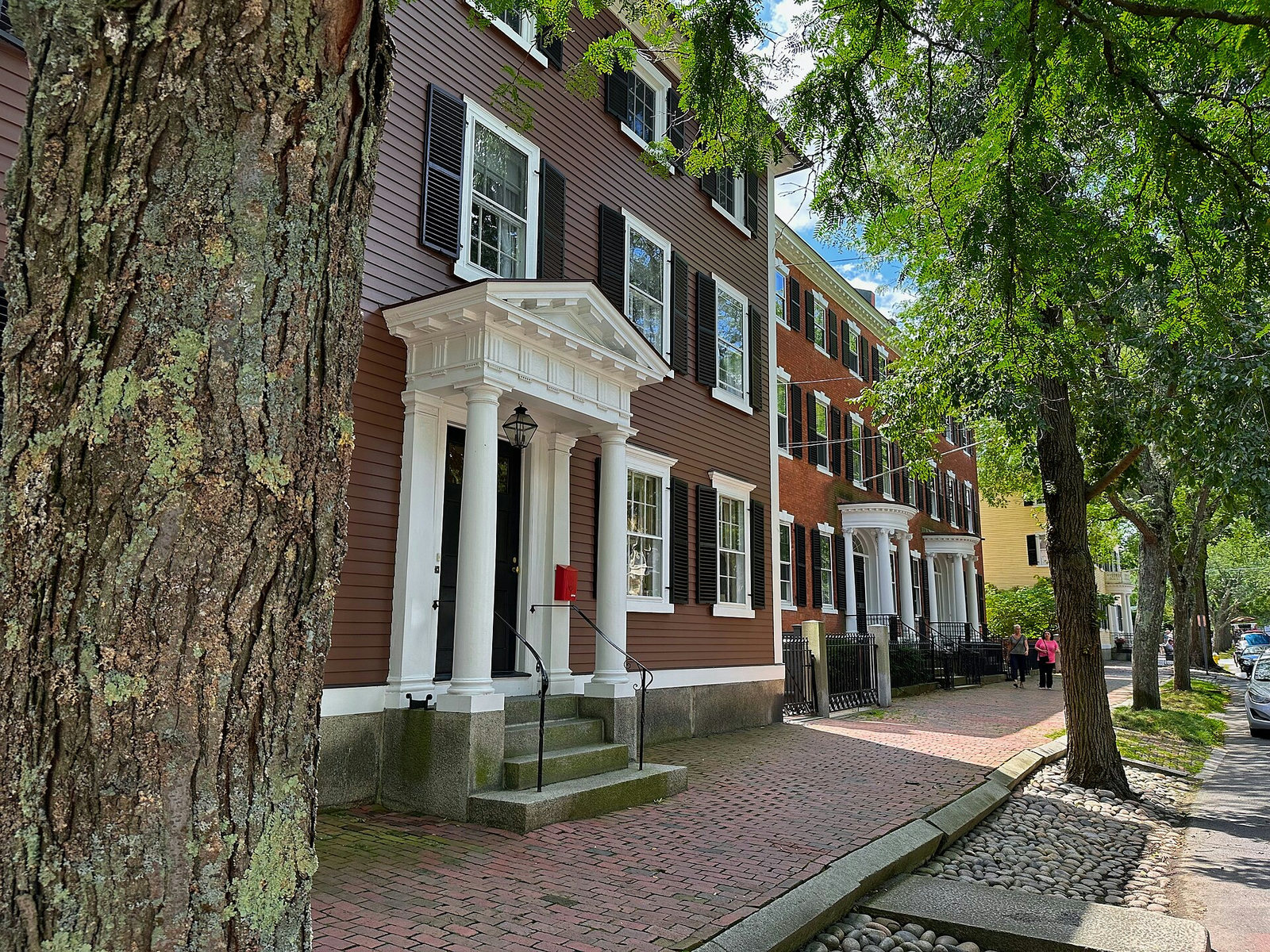
Salem Halloween short-term rental bookings rise 22% as rates increase 25%
Picture from Wikimedia Commons; licence CC BY-SA 4.0; photographer Perigrinator
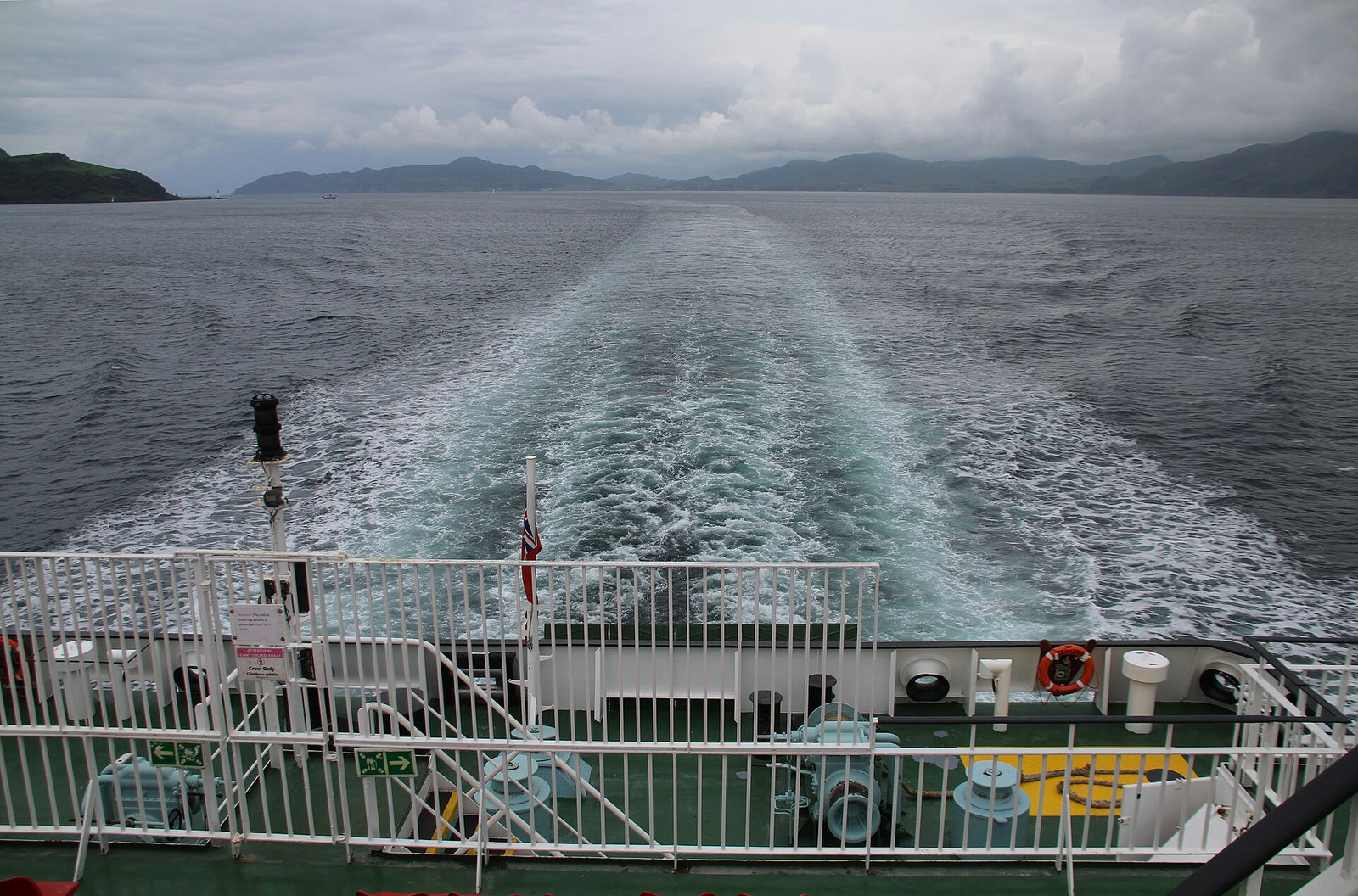
Scottish Highlands Airbnb site generating £100,000 annually listed for £750,000
Picture from Wikimedia Commons; licence CC BY-SA 4.0; photographer GerritR

Weekend occupancy ran 62% higher than weekday levels in Cincinnati rentals

U.S. short-term rental RevPAR fell 0.6% in August 2026
Read the desk every morning.
Leave your address for the Booked News briefing: the day's figures on rates, occupancy, demand, fees, supply and returns, each with its source, in one short email.
Comment thread