Year-round occupancy math determines vacation rental profitability
Money Crashers reported a cabin with 35% annual occupancy loses $2,000 per year despite high summer weekend demand.

A vacation rental cabin operating at 35% annual occupancy loses about $2,000 a year, according to financial calculations published by Money Crashers. The data service AirDNA tracks active listings month by month to measure full-year performance rather than relying on seller projections or peak summer weekend volume.
While real estate listing agents frequently present marketing spreadsheets with optimistic annual figures, seasonal demand pullbacks can convert high peak weekend revenue into annual operating deficits. Evaluating fixed annual overhead alongside variable expenses and property management commissions demonstrates how sensitive net cash flow is to year-round occupancy rates.
How the metric works
Unlike peak-season snapshots that capture short spikes in booking activity, annual occupancy reflects seasonal troughs, shoulder months, and quiet midweek periods. In short-term rental underwriting, this metric determines whether gross revenue can sustain fixed annual overhead.
Money Crashers published financial modeling for a cabin that illustrates the interaction between occupancy levels and fixed costs. In the scenario from Money Crashers, a cabin goes for $230 per night with $19,000 in yearly set costs that include its home loan, local taxes, coverage, power and water, and regular maintenance. Every night reserved adds $40 in operational expenses for turnover services, amenities for visitors, and platform commissions, and a full-service manager takes a 25% cut of total income.
When evaluated at a 70% occupancy rate, a listing agent spreadsheet shows the cabin earning about $15,000 a year after costs. However, actual market conditions often differ from marketing materials. If the cabin books 85% of its summer weekends but, like similar cabins nearby, averages only 35% occupancy across the entire year, the financial outcome shifts from profitability to an annual loss of about $2,000.
The math demonstrates that high weekend pricing during peak months cannot automatically offset ongoing debt service and maintenance costs during slow seasons. Fixed overhead remains constant regardless of guest volume, making year-round occupancy the primary operational variable for property cash flow.
How it was measured
AirDNA tracks active short-term rental listings to compile historical occupancy figures and nightly pricing across local geographic markets. Money Crashers highlights AirDNA as a paid data service that enables prospective buyers to review month-by-month occupancy trends for comparable properties before making purchase decisions.
To avoid overestimating prospective earnings, Money Crashers advises prospective investors to model performance at the market's year-round occupancy rate and run the calculations again 10 percentage points lower. This stress-testing methodology isolates how much revenue margin exists if market demand softens or competition increases.
Financing conditions also influence initial capital requirements and ongoing debt obligations. According to Fannie Mae eligibility matrix guidelines cited by Money Crashers, lenders require at least 15% down on a one-unit investment property. Because Fannie Mae does not treat a property that is primarily a rental as a second home, higher down payment thresholds directly affect initial equity investments and monthly mortgage payments.
Management cuts and tax participation rules
Operational choices significantly impact net yield. Money Crashers notes that full-service property managers typically take about 25% of gross rental revenue, representing a quarter of gross earnings. While hiring a professional manager removes daily operational burdens, it increases the occupancy threshold required for a property to break even.
Management arrangements also alter tax treatment under federal rules. Money Crashers notes that if visits typically last a week or less, IRS regulations on passive losses avoid treating the property like a traditional lease. Consequently, paper losses and asset depreciation cannot be applied to offset salary income unless the owner materially participates in operations.
Material participation requires the owner to work over 100 hours a year on the property and perform no fewer hours of labor than anyone else involved, including an onboarded property manager. If an owner delegates primary operations to a third-party manager taking a 25% cut, meeting the IRS material participation criteria becomes difficult, leaving operating losses non-deductible against active income.

Regulatory shifts and zoning thresholds
Zoning classifications and municipal registration mandates represent another major factor influencing available inventory and operational legality. Money Crashers notes that local rules, such as New York City's ban on stays under 30 days for whole homes, can restrict nightly rental models entirely.
Regulatory frameworks are also undergoing major revisions in major leisure destinations. In Hawaii County, the County Council passed Bill 147 by a vote of 7-2 on November 18, establishing new rules for vacation rentals heading into 2027. Bill 147 changes Hawaii County's zoning definition of a vacation rental from stays of 30 days or less to stays of fewer than 180 consecutive days. As a result, furnished homes offered for 60 or 90 days may require zoning authorization that was not previously mandated.
Under Bill 147, hosted rentals—where a resident owner lives on site during the stay—are permitted across residential, commercial, resort, and select agricultural zones. Conversely, unhosted rentals face tighter geographic boundaries, remaining generally restricted to resort and designated commercial districts with limited residential exceptions. Existing permitted properties retain their status, and qualifying multifamily properties with plan approvals or building permits issued prior to the law's effective date are also protected.
blockquote>“Before you buy a vacation home to rent by the night, base your math on how often similar rentals nearby are booked over a full year, not a seller’s projection or the peak season.”
Municipal registration data illustrates the gap between existing permitted operations and newly regulated inventory. According to records cited by Beat of Hawaii, approximately 5,100 previously permitted properties were automatically considered registered when Hawaii County launched its registration system on September 1. By contrast, as of earlier this month, just 199 newly covered rentals had registered under the new framework.
Enforcement of Hawaii County's registration requirements is currently delayed through December 31, 2026. A separate proposal, Bill 216, would permit the county to extend that enforcement delay until August 31, 2027, though zoning provisions under Bill 147 remain distinct from registration timelines. First offenses for non-compliance incur fines of $5,500, rising to $7,500 for a second offense and $10,000 for subsequent violations, plus additional daily penalties tied to advertised rates.
Bill 147 also establishes clear operational parameters for compliant listings. Rental occupancy is capped at two adults per bedroom plus two additional adults, subject to a maximum of 12 adults. Events such as weddings or concerts are prohibited, gatherings cannot exceed twice permitted occupancy, and quiet hours run from 10 p.m. to 8 a.m. Unhosted rentals must also designate a local contact available by phone within one hour and capable of arriving at the property within three hours when required.
What to watch
Investors and operators evaluating market saturation and long-term viability need to monitor key performance data and local rules prior to investing funds:
- Pull 12 full months of historical occupancy rates and nightly pricing for comparable listings using AirDNA data.
- Model baseline operating returns at market year-round occupancy and run scenario analyses at 10 percentage points lower.
- Determine whether average stays of seven days or fewer trigger IRS material participation requirements of over 100 hours per year.
- Verify local municipal stay definitions, such as Hawaii County's threshold of fewer than 180 consecutive days or New York City's 30-day minimum stay rule.
- Check local registration registries to distinguish between established permitted operators and newly covered properties facing compliance deadlines.
Figures checked by the standards desk (Paul Ostrowski): every figure in this story was matched to the source material listed below before publication. 1 figure that could not be matched was removed.
Tally from the accuracy gate: 49 details tested; 47 found in the stored source; 2 allowed as background knowledge; nothing cut.
Sources
- Beat of Hawaii - Big Island Is Changing Which Vacation Rentals Are Legal In 2027 (November 23, 2026).
- Money Crashers - Buying a Vacation Rental? Run the Numbers at Year-Round Occupancy, Not Peak Season (November 21, 2026).
An analysis column by the Booked News desk. Every figure is taken from the sources above.

Related stories
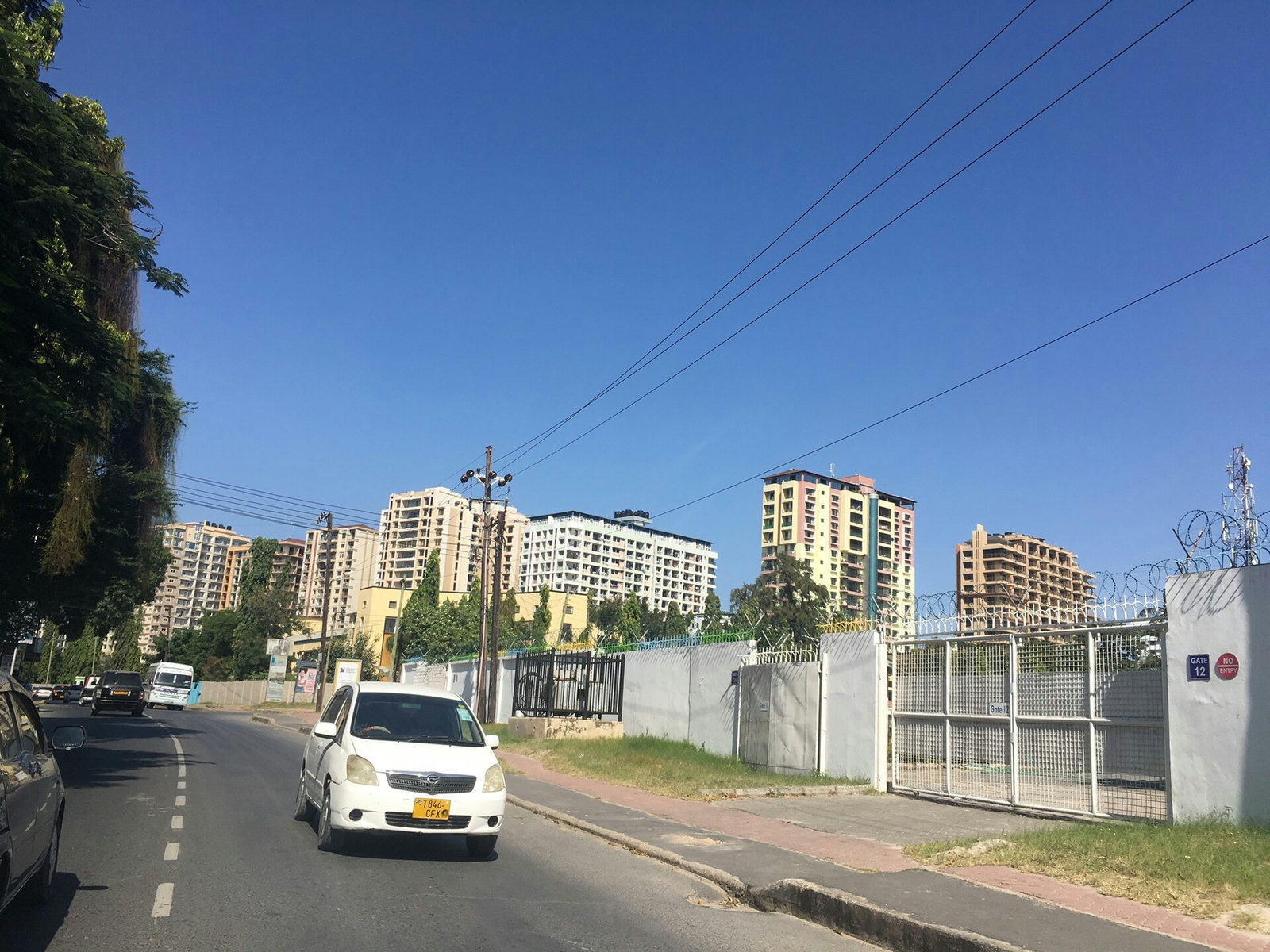
Dar es Salaam short stay listings generate $9,200 annual revenue as supply drops
Picture from Wikimedia Commons; licence CC BY-SA 4.0; photographer LittleT889


Comment thread