Airbnb checkout rules shift turnover costs to Canadian cottage operators
Mandatory limits on guest chores force vacation home hosts to absorb turnover labor or raise rates subject to provincial taxes like Alberta's 4% levy.
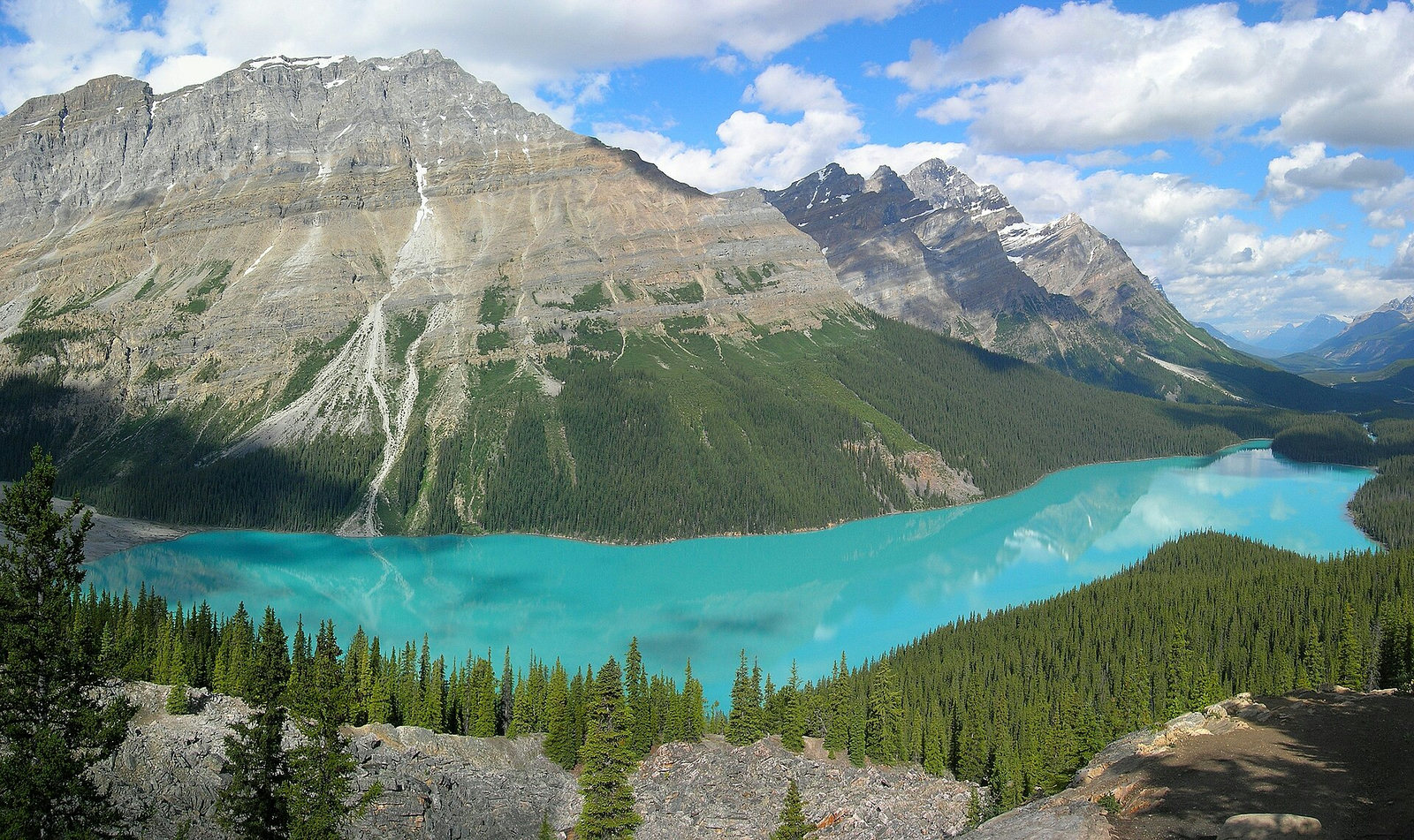
Peyto Lake in Banff National Park, Alberta, photographed in 2005. Picture from Wikimedia Commons: “Peyto Lake-Banff NP-Canada”. Photographer Tobias Alt, Tobi 87. Licence CC BY-SA 4.0. Resized from the original.
San Francisco-based Airbnb announced policy updates on Oct. 20 that bar short-term rental hosts from requiring guests to perform checkout chores involving significant effort or time, effective for reservations made on or after Nov. 20, 2026. According to CBC News, the policy rules out host mandates for guests to wash dishes, strip bed linens, run laundry cycles, or transport trash off-site. The platform stated that its community found complex checkout lists confusing and difficult to manage, moving to restrict mandatory requirements while allowing basic requests such as placing dirty dishes in the sink or turning off air conditioning units upon departure.
This operational shift directly alters how vacation home operators and property managers calculate turnover costs and structure line-item pricing. In Canadian destination markets like Ontario's Muskoka region, where historic properties such as the five-bedroom Gordon Bay Cottage built in 1902 command seasonal rates of $180 CAD per night according to Variety, or $131 a night according to Elite Daily, turnover logistics represent a primary component of gross operating margins. When host platforms eliminate guest-provided labor at turnover, operators are forced to absorb professional cleaning fees into their overhead or pass those costs to guests through higher baseline fees subject to provincial tax structures, such as Alberta's 4% provincial tourism levy.
How the metric works
Turnover operational cost measures the total expenditure required to restore a short-term rental unit to baseline operational standards between guest departures and arrivals. In the short-term rental sector, this figure combines direct professional cleaning fees, linen laundering cycles, inventory restocking, garbage disposal management, and property inspections. Historically, hosts managed turnover expenses through a mix of cash allocations and unpaid guest labor requested via checkout lists. By restricting forced guest labor, platform policy updates redefine how turnover expenses must be accounted for on host balance sheets.
When guest chore mandates are removed, turnover expenses transition entirely into cash line items paid to third-party cleaners or in-house property managers. To cover these expenses, property hosts adjust two main revenue levers: the designated cleaning fee charged per reservation or the baseline nightly rate. However, adjusting either metric changes the total price presented to consumers and alters the tax basis applied to the booking.
In Canadian jurisdictions, secondary fees and itemized charges face specific regional tax treatments. For instance, according to Airbnb, Alberta imposes a 4% provincial tourism levy that applies directly to both the nightly room rate and the cleaning fee. Operators tracking net operating income must therefore evaluate how fee increases interact with regional tax burdens and overall price elasticity.
How it was measured
The policy directives governing guest checkout expectations were documented by Airbnb in its official policy statement released on Oct. 20. CBC News itemized the specific banned tasks, identifying mandatory dishwashing, bed stripping, laundry execution, and off-site trash removal as explicit violations of the updated rules for bookings made on or after Nov. 20, 2026. Under the terms outlined by Airbnb, hosts cannot assess extra charges or penalties if a guest skips an item listed on a checkout schedule.
Market impacts and operational pricing strategies were evaluated by Rental Scale-Up, an industry publication covering short-term rental management. Rental Scale-Up noted that operators who previously factored guest-led turnover tasks into low cleaning rates must revise their pricing strategy by increasing cleaning fees, elevating nightly rates, or adjusting both pricing components simultaneously.
Regulatory frameworks governing upfront fee disclosure and all-in price transparency are set by federal enforcement agencies. The Competition Bureau, enforcing the federal Competition Act, establishes legal rules prohibiting price advertising that excludes mandatory fixed fees. This legal enforcement standard was affirmed in 2024 when the Competition Tribunal issued a formal ruling against Cineplex regarding a mandatory $1.50 online booking fee, setting a legal precedent against drip pricing structures in Canadian commerce.
Cost shifting and turnover expenses
For short-term rental investors and managers, the elimination of mandatory guest chores shifts labor from an unpriced guest contribution into a direct cash expense. Cottage properties in rural or seasonal zones face distinct logistical friction due to distance and local service availability. For example, properties situated in cottage country regions, such as those located 13 minutes from Mortimer's Marina near Port Carling, require dedicated service routes for waste removal and laundry handling when guests are no longer required to take trash off-site or run laundry cycles.
When property managers hire external turnover teams to handle complete property resets, the cash cost per turn increases. If a host attempts to keep nightly rates competitive by absorbing turnover inflation, gross profit margins shrink. Conversely, if an operator adds the full cost of professional cleaning to the listing fee, the guest's checkout bill increases, which can lower booking conversion rates in price-sensitive traveler segments.

Furthermore, platform enforcement mechanisms prevent hosts from adding rules post-booking. Airbnb policy explicitly states that mandatory rules must be published directly on the property listing at the time of booking and cannot be introduced later via text message or on-site signage. Guests remain responsible for reasonable costs related to physical damage, missing items, or excessive property disruption, but routine turnover cleaning cannot be enforced through post-checkout fines.
Taxation and all-in pricing compliance
Managing turnover costs requires understanding Canadian all-in pricing mandates and tax collection rules. Under federal standards enforced by the Competition Bureau, platforms and property listings must display total mandatory costs to consumers upfront.
Because mandatory cleaning fees must be included in total advertised prices, increases in cleaning fees directly impact consumer price perception at the point of discovery. In addition, tax liabilities scale alongside fee increases. In Alberta, where the 4% provincial tourism levy applies to cleaning fees as well as nightly rates, any increase in itemized turnover fees directly inflates the final tax line item for the traveler.
The mathematical interaction between turnover costs, platform display requirements, and local taxation creates a narrow operational corridor for operators. The table below illustrates the key compliance and pricing parameters established across reported industry sources:
- Policy Announcement Date: Oct. 20, as reported by Airbnb.
- Policy Implementation Date: Applies to reservations booked on or after Nov. 20, 2026.
- Prohibited Mandatory Chores: Washing dishes, stripping beds, running laundry, taking trash off-site, as reported by CBC News.
- Permitted Basic Requests: Placing dirty dishes in sinks, piling used towels, sorting indoor trash, turning off air conditioning units.
- Tax Application Standard: Alberta 4% provincial tourism levy applies to both nightly rates and cleaning fees, according to Airbnb.
Cottage country pricing dynamics
In high-profile Canadian vacation markets, pricing strategies vary based on listing positioning and unique property characteristics. Media coverage highlights specific pricing structures in Ontario's cottage regions. Variety reported that Gordon Bay Cottage, an estate built in 1902 in the Muskoka Lakes region that served as a filming location, opened three exclusive three-night reservation windows for October stay dates—Oct. 2-5, Oct. 9-12, and Oct. 16-19—with booking opening Sept. 15 at 9 a.m. ET at $180 CAD per night. Elite Daily reported the same property listing with availability listed at $131 a night.
For unique or set-jetting properties, high demand allows operators greater flexibility to absorb or pass along elevated cleaning fees without sacrificing occupancy. However, standard non-destination inventory operating in competitive rural or suburban markets faces tighter margin constraints. When standard listings raise cleaning fees to cover professional turnover staff, their total price relative to nearby hotel options or competing rentals changes immediately on search aggregation pages.
Operators managing properties in specialized areas must also account for municipal or environmental requirements. Airbnb policies explicitly permit localized house rules where safety or environmental conditions demand them, such as mandating secure, animal-proof trash receptacles in bear-prone Canadian mountain and cottage regions. These localized requirements allow hosts to mandate specific secure storage actions without violating platform rules against generic guest chore lists.
What to watch
Short-term rental owners, portfolio managers, and real estate investors preparing for upcoming operational updates should focus on key execution steps:
- Audit active property listings prior to Nov. 20, 2026, to remove non-compliant checkout requirements such as stripping bed linens, running washing machines, or carrying trash off-premises.
- Re-negotiate fixed contract rates with local turnover vendors to stabilize per-stay turnover expenses across your property portfolio.
- Evaluate baseline nightly rates against itemized cleaning fees to determine which pricing model minimizes tax drag under regional rules like Alberta's 4% levy while maintaining search placement.
- Verify that all mandatory fees are fully integrated into upfront listing displays to ensure compliance with Competition Bureau guidelines and federal drip pricing enforcement.
- Ensure property listings explicitly disclose allowed regional safety rules, such as bear-proof garbage container requirements, directly on the listing page prior to booking confirmation.
Figures checked by the standards desk (Paul Ostrowski): every figure in this story was matched to the source material listed below before publication. 1 figure that could not be matched was removed.
Tally from the accuracy gate: 43 details tested; 41 found in the stored source; 1 cut before the story ran.
Sources
- Yahoo Finance Canada - Airbnb's new rules ban hosts from requiring dishes, laundry and trash duties — even if you paid a cleaning fee (October 25, 2026).
- Elite Daily - How To Book The 'Sterling Point' Cottage In Canada On Airbnb (September 9, 2026).
- Variety - The ‘Sterling Point’ Muskoka Cottage Is Officially Available to Rent on Airbnb (EXCLUSIVE) (September 9, 2026).
An analysis column by the Booked News desk. Every figure is taken from the sources above.
Is a figure here wrong? Say so / The corrections procedure and the log

Related stories

U.S. rental occupancy fell 7 points in the World Cup group stage as rates rose 59%
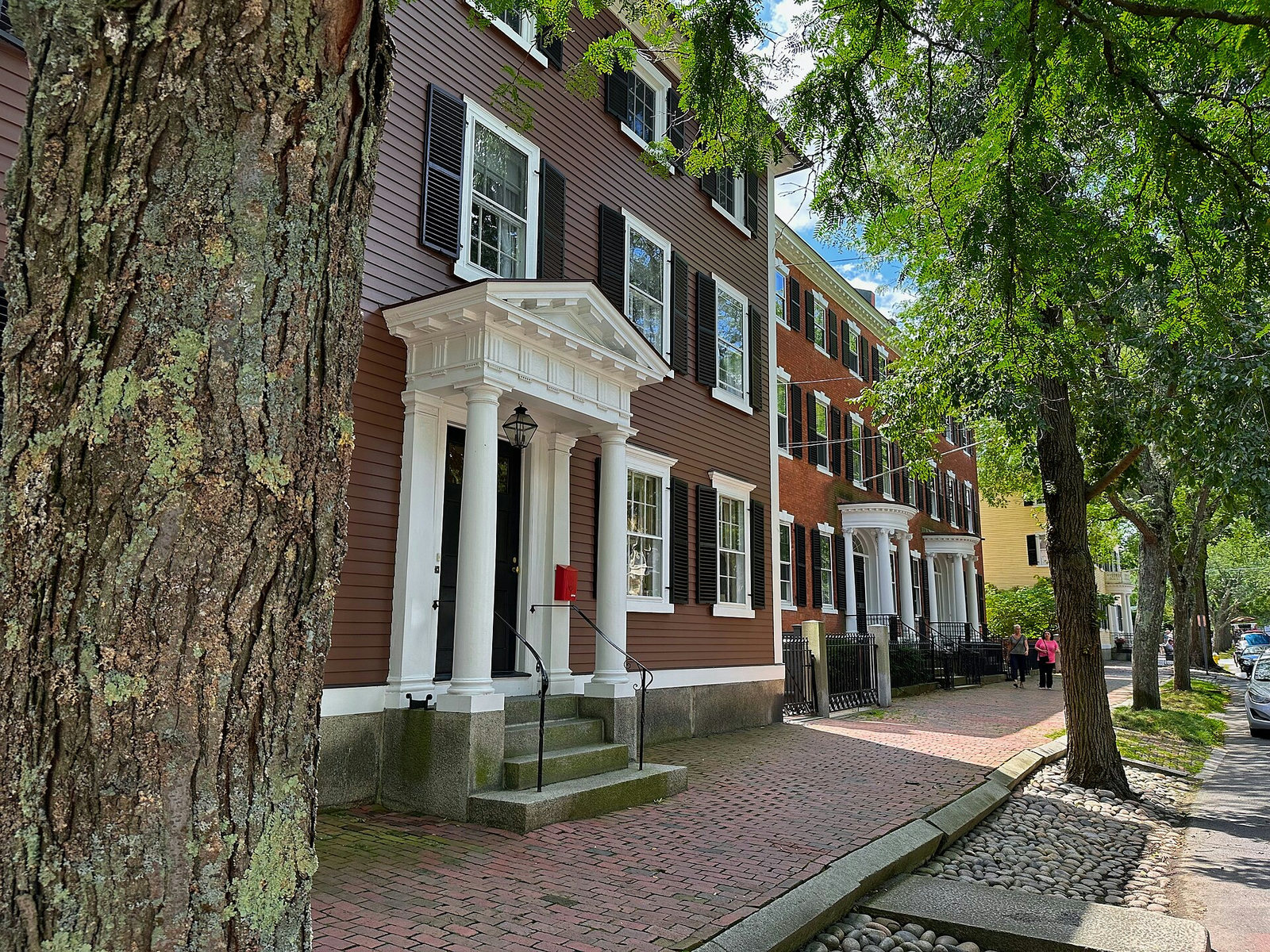
Salem Halloween short-term rental bookings rise 22% as rates increase 25%
Picture from Wikimedia Commons; licence CC BY-SA 4.0; photographer Perigrinator
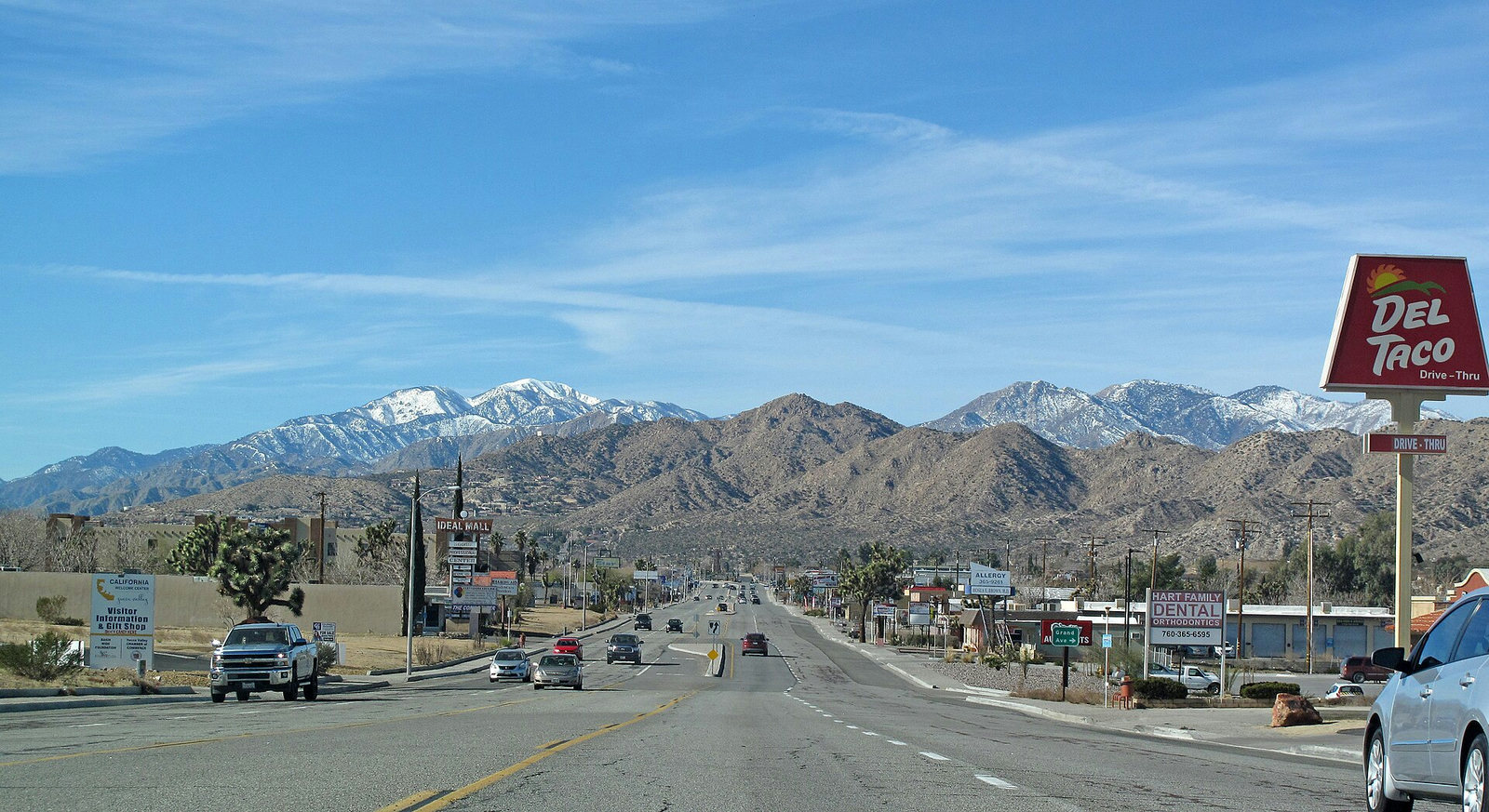
Yucca Valley and cliffside rates show how heated pools sustain shoulder season pricing
Picture from Wikimedia Commons; licence CC BY-SA 4.0; photographer Downtowngal

How property management fees and listing channels shape short-term rental revenue
Read the desk every morning.
Leave your address for the Booked News briefing: the day's figures on rates, occupancy, demand, fees, supply and returns, each with its source, in one short email.
Comment thread