EU platform-booked rental nights reached 951.6 million in 2025
Eurostat reported that platform-booked stays grew faster than the broader lodging market, which recorded nearly 3.1 billion nights in 2025.

On April 3, 2026, it was reported that short-term rental guests spent 951.6 million nights in European Union properties booked through online platforms in 2025. This total represented an increase of 11.4 percent compared with 2024, according to data compiled by the European Union statistical office, Eurostat.
The figures, which tracked stays booked through Airbnb, Booking, and Expedia, highlighted the sustained expansion of the short-term lodging sector across Europe. The expansion continued into the final months of the year, with Eurostat reporting that fourth-quarter stays rose 10.9 percent year-over-year to reach 172.3 million nights.
What the data shows
The annual figure of 951.6 million nights spent in short-term rentals across the European Union during 2025 represented a significant milestone for the platform-based lodging sector. According to Eurostat, this volume of bookings was 11.4 percent higher than the volume recorded during the previous year of 2024. When compared over a longer horizon, the 2025 total showed an even more pronounced increase of 32.4 percent compared with the annual totals from 2023. These figures indicated that the demand for short-term rentals booked through online platforms had not merely recovered to pre-pandemic baselines but had continued to establish new records year after year.
The fourth-quarter data from 2025 further illustrated this upward trajectory. In the final three months of the year, spanning October, November, and December, guests spent 172.3 million nights in European Union short-term rental accommodations. This fourth-quarter total was 10.9 percent higher than the number of nights recorded in the fourth quarter of 2024. Furthermore, the fourth-quarter performance in 2025 represented a 30.2 percent increase compared with the fourth quarter of 2023, showing that off-season demand had grown at a rapid pace over the two-year period.
The monthly distribution of these stays during the fourth quarter of 2025 showed that demand remained strong well after the peak summer season concluded. Eurostat reported higher platform-booked stays in October, November, and December. The largest monthly increase within this quarter was recorded in December. This pattern suggested that short-term rentals were playing an increasingly important role in supporting tourism outside of the traditional summer peak, catering to travelers taking city breaks, holiday travel, family trips, and other off-season stays.
In comparison, the broader accommodation market in the European Union grew at a much more modest pace. All tourist accommodation establishments, which included hotels, holiday apartments, private homes, and other similar properties, recorded nearly 3.1 billion nights in 2025. This overall lodging market volume represented a 2.2 percent increase compared with 2024. The difference between the 11.4 percent growth rate of platform-booked short-term rentals and the 2.2 percent growth rate of the wider lodging market indicated that short-term rentals were expanding much faster than traditional accommodations like hotels.
How it was measured
The figures presented in the reports were compiled and published by Eurostat, the statistical office of the European Union. The data collection was based on monthly statistics concerning short-term accommodation offered via online platforms. Eurostat gathered these statistics through a collaborative data-sharing agreement with major online distribution platforms, specifically tracking bookings made through Airbnb, Booking, and Expedia.
The scope of the data covered short-stay accommodation bookings, which included holiday apartments, private homes, and similar properties. The primary metric used was the number of overnight stays, or guest nights, spent in these properties during specific periods.
At the regional level, Eurostat analyzed the data using the European Union's standard regional classification system. This allowed the statistical office to identify specific regional hotspots during the third quarter of 2025, which covered the peak summer months of July, August, and September. For instance, Eurostat tracked and reported that Cyprus recorded 3,104,502 overnight stays in short-term rental accommodation booked through online platforms during this third-quarter period. The use of direct platform data ensured a high level of accuracy in tracking actual bookings, though the methodology relied on the data provided by the platforms themselves.
Regional performance and hotspots
The regional data published by Eurostat for the third quarter of 2025 highlighted a heavy concentration of short-term rental activity in Southern Europe. During the peak summer travel period of July, August, and September, the Jadranska Hrvatska region in Croatia recorded the highest volume of platform-booked short stays in the European Union, with 27.7 million overnight stays.

This coastal Croatian region was followed by the Andalucia region in Spain, which recorded 19.5 million overnight stays during the same three-month period. The Provence-Alpes-Cote d’Azur region in France was the third most popular, recording 16.9 million overnight stays.
The concentration of demand in specific geographic areas was further demonstrated by the distribution of the top-performing tourist regions. Eurostat reported that the 20 most popular tourist regions for short-term rentals in the third quarter of 2025 were located within just six EU Member States. Among these top 20 regions, six were located in France, five were in Spain, four were in Italy, three were in Greece, and Portugal and Croatia each contained one.
This concentration was also evident in smaller island markets. For example, Cyprus recorded 3,104,502 overnight stays in platform-booked accommodations during the third quarter of 2025. This volume reflected the significant role that short-term rentals played in supporting tourism in Mediterranean island destinations during the peak summer season, even as they represented a smaller absolute volume compared to larger mainland regions like Andalucia or Provence-Alpes-Cote d’Azur.
Market dynamics and distribution shifts
The divergence in growth rates between platform-booked short-term rentals and the wider lodging market suggested a structural shift in traveler preferences across the European Union. While the entire accommodation sector, including hotels, grew by 2.2 percent in 2025 to reach nearly 3.1 billion nights, the platform-booked sector grew by 11.4 percent to reach 951.6 million nights. This meant that short-term rentals booked through Airbnb, Booking, and Expedia accounted for a growing share of the total overnight stays in the European Union.
This shift was driven in part by the changing nature of travel demand. The monthly data from Eurostat showed that platform-booked stays increased in October, November, and December, with the largest increase occurring in December. This indicated that short-term rentals were no longer just a summer phenomenon. Instead, they were increasingly being utilized for off-season travel, including city breaks, winter holidays, and family trips. This off-season growth helped to distribute tourism demand more evenly throughout the year, providing hosts and property managers with more stable revenue streams outside of the traditional summer months.
However, this growth also created new challenges for the distribution of tourism. The high concentration of stays in the top 20 regions during the third quarter of 2025 showed that despite the growth of off-season travel, peak summer demand remained heavily concentrated in a few key coastal and leisure destinations in France, Spain, Italy, Greece, Portugal, and Croatia. This concentration could lead to localized imbalances, where the volume of visitors strained local infrastructure and resources during the peak months.
Regulatory pressures and oversight
The continuous expansion of short-term rentals across Europe placed increased pressure on local governments to implement more effective regulation and oversight. The Eurostat data fit into a wider travel trend highlighted in the 2026 travel forecast, which noted that overtourism was becoming increasingly difficult to separate from distribution and accommodation growth.
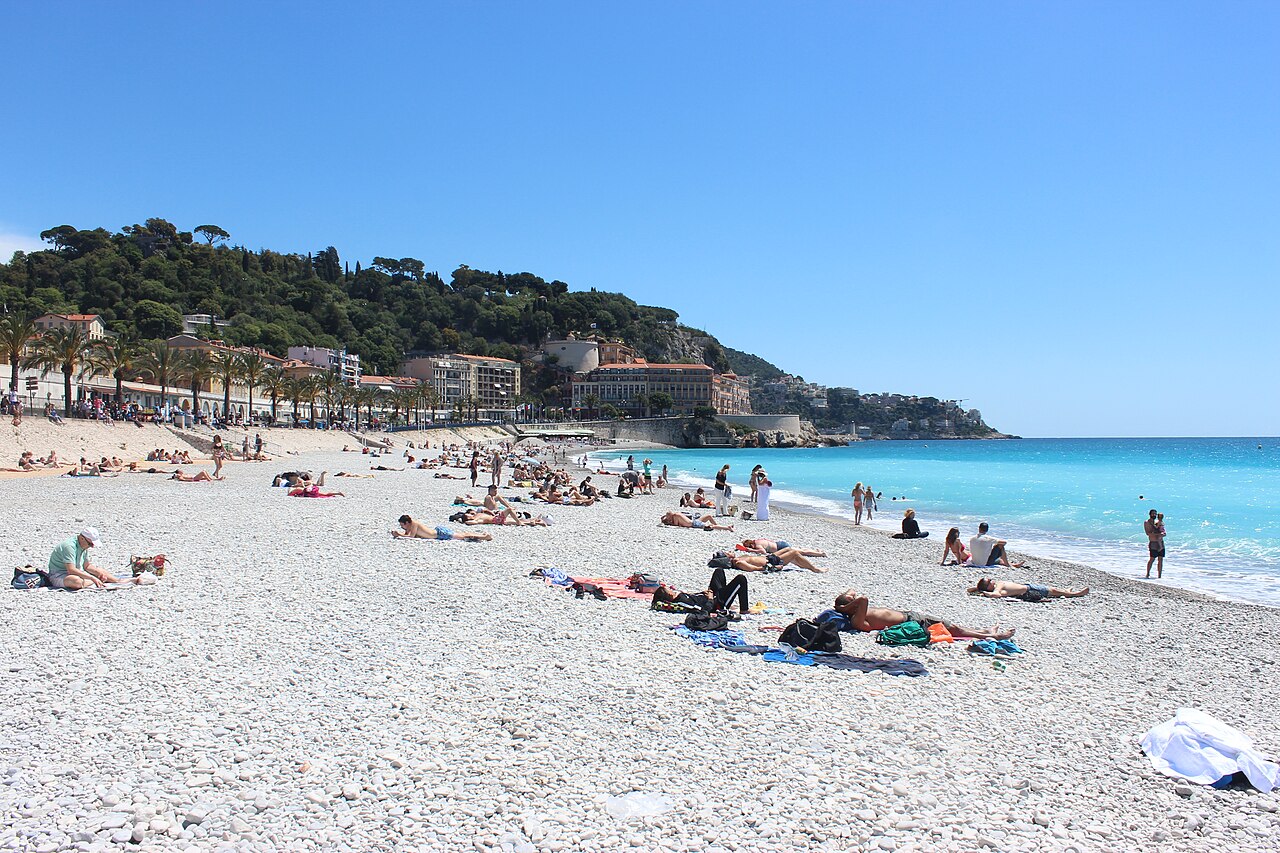
As platform-booked stays kept expanding, especially in the region's most crowded leisure markets, the challenges facing cities and resort areas were no longer just about the total number of visitors. Instead, the focus shifted to how that demand was spread, regulated, and absorbed by local housing and tourism systems.
In highly popular regions like Jadranska Hrvatska, Andalucia, and Provence-Alpes-Cote d’Azur, the rapid growth of short-term rentals raised concerns about the availability and affordability of housing for local residents. It also led to debates about the balance between tourism-driven economic growth and the preservation of local communities. As a result, many European cities and regions were exploring new regulatory frameworks, such as registration systems, caps on the number of rental nights, and stricter zoning laws, to manage the growth of platform-booked accommodations and mitigate the impacts of overtourism.
What to take from it
The Eurostat data highlighted the ongoing expansion and shifting dynamics of the short-term rental market in the European Union. For operators and investors looking to evaluate these market dynamics, several key lessons emerged from these figures:
- Compare platform growth rates with traditional lodging benchmarks in your specific region to understand whether you were gaining or losing market share to hotels.
- Monitor off-season booking trends, particularly in months like December, to identify opportunities for expanding your calendar and capturing non-traditional travel demand, such as city breaks and family holiday trips.
- Track the geographic concentration of demand in your market to assess the risk of localized regulatory intervention, especially if your properties were located in one of the top-performing tourist regions.
- Look beyond volume metrics like guest nights when evaluating market health, and focus on local supply growth and pricing power to ensure that rising demand was translating into sustainable profitability.
Figures checked by the standards desk (Paul Ostrowski): every figure in this story was matched to the source material listed below before publication. The desk's review raised 2 points, corrected before publication.
Sources
- AltexSoft Travel News (reporting Eurostat) - published April 3, 2026.
- Cyprus Business Now (CBN), 2 April 2026 - corroborating coverage.
Part of the Booked News record for April 2026. The desk filed this story on October 9, 2026 from a source published in the month it covers, under the same figure rule as the daily news.
Report an error in this story · Corrections policy and log

Related stories

EU short-term rental nights rose 17.8% in the second quarter of 2025

Spain fined Airbnb €64 million for listing unlicensed properties in December 2025

Greece Reports 973 Million Euros in Declared Short-Term Rental Income for 2025
Photo: Jakub Hałun, CC BY 4.0, via Wikimedia Commons

Catalonia tourist tax increase raised Barcelona short-term rental fees in April 2026
Read the desk every morning.
Leave your address for the Booked News briefing: the day's figures on rates, occupancy, demand, fees, supply and returns, each with its source, in one short email.
Comments