Hillsborough County approves short-term rental rules including $200 annual fee
Hillsborough County commissioners unanimously approved mandatory registration and a $200 annual fee per unit for unincorporated short-term rentals.
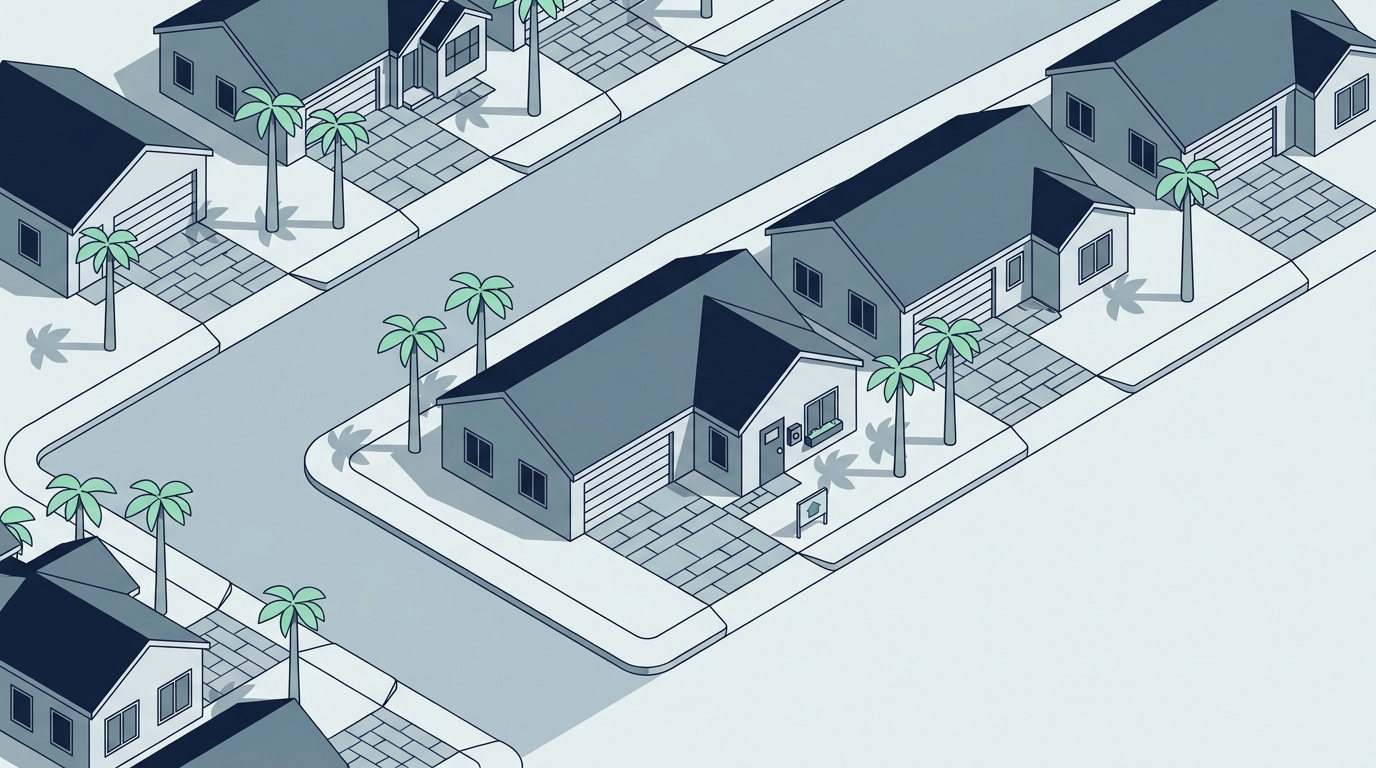
Hillsborough County commissioners have unanimously approved a new $200 annual registration fee for short-term rental properties as part of a regulatory framework designed to increase local oversight. The decision, which was reached during a commission meeting on September 2, 2026, introduces mandatory registration, designated local representatives, and complaint-based code enforcement inspections for properties operating in unincorporated parts of the county.
The regulatory change comes after months of debate among county officials, residential property owners, and short-term rental operators. While some local residents welcome the increased accountability, professional property managers argue that the new rules impose unnecessary costs and administrative burdens on responsible operators who rely on short-term rentals to make a living.
What the data shows
County information indicates that there are currently about 3,000 short-term rentals operating in unincorporated Hillsborough County. This inventory represents a relatively small percentage of the overall housing market in the county, though the concentration of these properties varies significantly by neighborhood. In the city of Tampa, which operates under its own municipal jurisdiction, there are about 9,000 additional short-term rentals. By comparison, neighboring Pinellas County contains more than 24,000 short-term rentals, representing a much larger concentration of vacation properties in the region.
The localized concentration of listings is particularly visible in specific residential areas. In the Bay Crest Park neighborhood, located in Town 'N Country, residents report that there are now 126 short-term rentals among roughly 900 homes. According to Leigh Ann Wrona, a resident who has lived in Bay Crest Park for 15 years, the number of short-term rentals in her neighborhood has grown from "maybe 20 before" to "over a hundred" or "126 now." This concentration means that short-term rentals account for a notable share of the housing stock in Bay Crest Park, compared to a much lower average across the wider unincorporated county.
The local growth has prompted concerns from residents regarding occupancy, traffic, and safety. Wrona recalled one instance where more than 20 people stayed at a single property for a bachelor party, which eventually resulted in a grill fire that damaged the back wall of the house.
How it was measured
The figures detailing the number of short-term rentals in Hillsborough County and Tampa were compiled and published by Hillsborough County, while Pinellas County has more than 24,000 short-term rentals. The county did not publish the specific methodology, data sources, or third-party tracking platforms used to calculate these listing counts. The figures represent a point-in-time assessment of active listings within each jurisdiction prior to the approval of the new ordinance on September 2, 2026.
The neighborhood-level data for Bay Crest Park was cited by local residents. Homeowners in the neighborhood tracked the growth of short-term rentals before and after major weather events, specifically hurricanes Helene and Milton. The count of 126 short-term rentals out of roughly 900 homes represents the residents' assessment of active listings in their immediate community. The $200 annual registration fee is established directly by the text of the approved county ordinance, and commissioners plan to revisit the rules after 90 days.
What moves the numbers
Local inventory levels and regulatory decisions are influenced by environmental factors and market dynamics. In Bay Crest Park, residents noted a significant increase in short-term rental conversions following hurricanes Helene and Milton. The storms caused severe flooding and damage throughout the neighborhood, prompting some long-term homeowners to sell their properties. Samantha Freeland, a homeowner in Bay Crest Park, explained that many residents chose to sell their homes after the storms, and some of the new buyers subsequently converted those properties into short-term rentals. This shift changed the composition of the neighborhood, leading to what Freeland described as commercial operations within single-family zoned residential areas.
The introduction of the $200 annual registration fee and mandatory registration is expected to influence the number of active listings in unincorporated Hillsborough County. Some marginal operators may choose to exit the market or transition to long-term renting to avoid the annual fee, additional inspection fees, and the administrative requirement of maintaining a local contact. Conversely, the formalization of rules may encourage institutional investors who prefer operating within a clear regulatory framework.
Who the regulations affect
The new ordinance directly affects short-term rental owners, professional property managers, and local residents. Under the approved rules, owners must register their properties with the county, pay the $200 annual fee per unit, and designate a local representative who can respond to operational issues and complaints. For property managers, the regulations introduce new operational requirements and potential liabilities. Hannah Schultze, a property manager with Schultze Property Solutions, spoke against the ordinance during the county commission meeting, arguing that the rules penalize responsible operators.
“I’m not asking you to protect bad operators. But do not confuse the bad actors with the thousands of ordinary property owners who are simply trying to make a living, protect their investment and have a place to call home in Florida.”
For local residents, the ordinance provides county code enforcement with new tools to address non-compliant properties. Code enforcement officers will have the authority to conduct physical inspections of short-term rentals when a complaint is filed, allowing the county to penalize owners who fail to manage issues such as excessive noise, occupancy violations, and safety hazards. This shift is intended to address complaints from residents like Leigh Ann Wrona, who noted that many owners defer to their property management company and avoid direct accountability.
What the data does not tell you
While the county's data shows about 3,000 short-term rentals in unincorporated Hillsborough County and about 9,000 in Tampa, the figures do not specify how many of these listings are active throughout the entire year versus seasonal operations. The data does not distinguish between owner-occupied rooms and entire-home rentals, which have different impacts on residential neighborhoods. Additionally, the figures do not show the compliance rate of existing listings or how many properties currently operate without proper local tax registration.
The county's data does not detail the volume of complaints generated by short-term rentals compared to long-term rentals or owner-occupied homes, making it difficult to quantify the exact scale of the disturbances reported by residents. The data also leaves unclear the exact cost of the "additional fees related to inspections" mentioned in the county's proposals. While the $200 annual registration fee is fixed, the total financial impact on operators will depend on how frequently code enforcement conducts inspections and the fees associated with those visits.
What to watch
The new regulations are scheduled to take effect Jan. 1. County commissioners have stated that they plan to revisit the ordinance after it has been in effect for 90 days to determine whether additional changes or fee adjustments are needed. Short-term rental operators and investors should monitor several key milestones over the coming months.
- The launch of the county's official registration portal and the specific documentation required to secure a permit before the Jan. 1 deadline.
- The publication of the fee schedule for code enforcement inspections triggered by neighbor complaints.
- The county commission's review of the ordinance after the initial 90 days of implementation to see if rules are tightened or relaxed.
- The enforcement actions taken against unregistered properties in unincorporated areas once the grace period expires.
Figures checked by the standards desk (Paul Ostrowski): every figure in this story was matched to the source material listed below before publication. The desk's review raised 6 points, corrected before publication.
Sources
- Bay News 9 - reported September 2, 2026.
- Bay News 9 - Hillsborough County considers new rules for short-term rentals.
Read and analysed by the Booked News desk.

Related stories

Kingston Common Council to vote on proposed 3% occupancy tax

Why seasonal occupancy swings shape short-term rental returns in Naples
Weekend occupancy ran 62% higher than weekday levels in Cincinnati rentals
Japan private lodging closures reach 36.6% as local regulations tighten
Read the desk every morning.
Leave your address for the Booked News briefing: the day's figures on rates, occupancy, demand, fees, supply and returns, each with its source, in one short email.