Hillsborough County considers rental registry and $200 fee as local supply metrics shift
County data shows about 3,000 short-term rentals in unincorporated areas as commissioners prepare to vote on registration fees and operational rules.
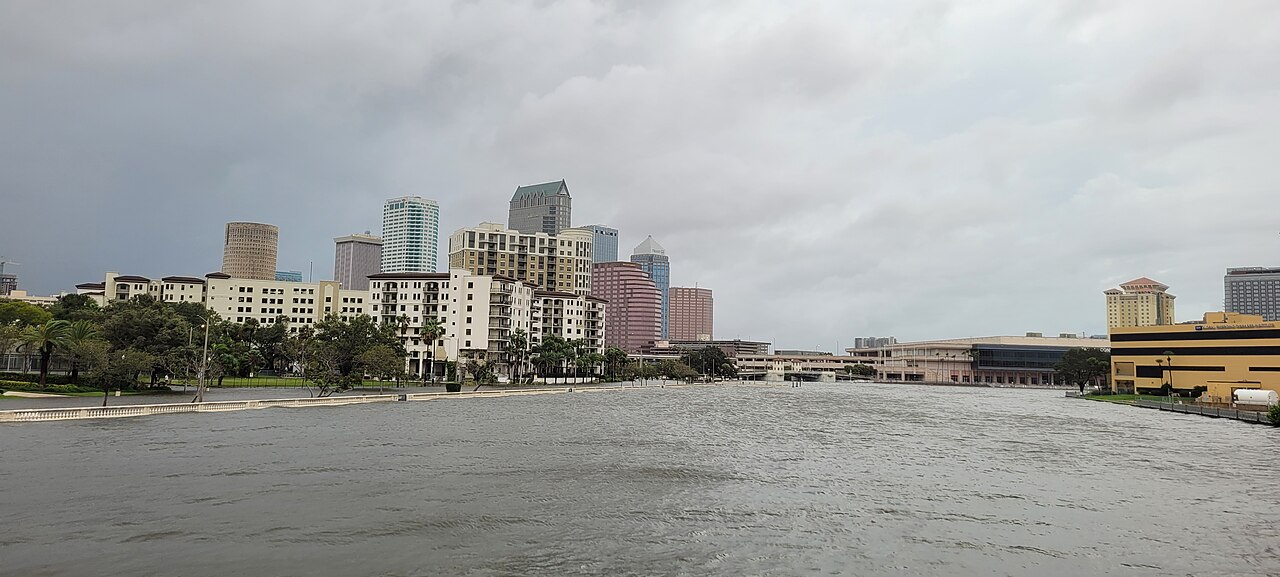
The downtown Tampa skyline across the Hillsborough River, photographed in 2023. Picture from Wikimedia Commons: “Hurricane Idalia storm surge with downtown Tampa skyline”. Photographer Andrew Heneen. Licence CC BY 4.0. Resized from the original.
Bay News 9 reported county information showing some 3,000 short-term rentals in unincorporated Hillsborough County. The number arrives as county commissioners get ready for a public hearing at 10 a.m. on Wednesday, where they will weigh new rules that would set up annual registration with a $200 yearly charge on every unit, and require a local contact person who is reachable around the clock to handle operational issues.
The policy debate highlights how municipal officials and investors evaluate short-term rental inventory metrics across adjacent local markets. Municipal tracking of active units provides baseline data for local tax collection, zoning enforcement, and neighborhood planning. Understanding how these listing counts are compiled, what drives their movement, and how administrative fees impact net revenue is essential for operators managing property portfolios across county lines.
How the metric works
Short-term rental supply metrics track the total volume of residential properties offered for temporary lodging within defined geographic boundaries. Local governments and market research organizations monitor supply through registration registries, tax collector filings, and platform web scraping. These figures serve distinct analytical functions for municipal regulators and real estate investors.
For local governments, overall active listing counts establish the baseline footprint of commercial lodging operations within residential zones. Municipalities track total unit counts to determine administrative staffing needs, anticipate municipal service demand, and assess compliance with local building codes. When regulatory bodies report total supply figures, the metric reflects registered or identified properties operating across unincorporated land areas or specific municipal borders.
For property managers and investors, total supply metrics define market saturation and competitive inventory volume. High active listing counts in a specific micro-market indicate established visitor demand but also increase supply competition among host operators. Conversely, lower total unit counts can signal strict local zoning boundaries, pending regulatory constraints, or lower baseline tourist activity.
Listing density metrics further refine raw inventory counts by calculating the concentration of short-term rentals relative to total housing stock within specific neighborhoods. Neighborhood-level concentration metrics reveal localized supply shifts that broader county-wide totals can obscure. When single-family residential streets experience concentrated conversions from long-term residential occupancy to short-term lodging, municipal regulators frequently face increased public pressure to enact registration frameworks and statutory enforcement tools.
How it was measured
The inventory figures cited in the regional reporting originate from municipal governmental data and local neighborhood records. City figures add about 9,000 short-term rentals in Tampa, and Pinellas County holds more than 24,000 countywide.
In Town ‘N Country, people living in the Bay Crest Park community kept track of properties converting to rentals after recent extreme weather. The residents' logs show 126 of the roughly 900 homes in the Bay Crest Park neighborhood are now short-term rentals. The source material did not publish the underlying technical methodology or software tools used by county staff or neighborhood organizations to aggregate these specific inventory counts.
Evaluating neighborhood density and inventory concentration
Macro-level market data often obscures hyper-local concentration trends. Unincorporated Hillsborough County spreads roughly 3,000 such rentals over a broad area, yet neighborhood tracking in Bay Crest Park found 126 of them among roughly 900 homes. This micro-market metric illustrates how inventory can cluster intensely in specific residential subdivisions.
High neighborhood concentration metrics directly influence regulatory risk for host operators. When short-term rentals occupy a visible percentage of existing residential structures, local homeowner associations and resident groups often mobilize to advocate for municipal oversight. Samantha Freeland, a Bay Crest Park homeowner, described the operational shift within single-family zoned areas during an interview with Bay News 9.
blockquote>“We’re essentially having businesses that are operating within single-family zoned residential neighborhoods,” Freeland said. “That the county has zoned us as single-families zoned residential areas and they’re allowing businesses to operate right next to families with no ordinances or life safety inspections.”
When neighborhood residents document expanding inventory concentrations, local governments frequently respond by drafting regulatory frameworks. The proposed Hillsborough County ordinance does not include a complete ban on short-term rentals. Instead, county commissioners designed the draft regulations to establish operational parameters, requiring unit registration, life safety compliance, and continuous local accountability.
Regional supply comparisons and jurisdictional borders
Comparing active listing volumes across neighboring jurisdictions demonstrates how regulatory environments and market geography shape inventory distribution. Pinellas County's total of over 24,000 short-term rentals is far larger than Tampa's roughly 9,000 more, or the roughly 3,000 across the unincorporated part of Hillsborough County.
Jurisdictional boundaries create distinct operating environments for real estate investors. A property located in unincorporated Hillsborough County operates under different municipal governance than a property inside Tampa city limits or across the bay in Pinellas County. Operators evaluating regional supply must analyze regulatory proposals separately for each jurisdiction, as compliance costs and operational mandates do not automatically cross city or county lines.
Supply disparities across regional sub-markets also reflect differing coastal geography, tourism infrastructure, and baseline housing stock. Pinellas County's large listing count aligns with its expansive beach communities and established tourism corridors. In contrast, Hillsborough County's supply distribution features a mix of urban center units in Tampa and suburban single-family rentals in unincorporated communities like Town ‘N Country.
Weather events and housing stock conversions
Physical storm impacts act as immediate catalysts for short-term rental supply shifts. In Bay Crest Park, residents reported a sharp rise in vacation rentals once hurricanes Helene and Milton had caused severe flooding and damage.
Severe weather events alter local market dynamics by prompting long-term owner-occupants to sell storm-damaged housing stock. Investors and new buyers purchase these properties, complete repairs, and bring them back onto the market as short-term lodging units. This dynamic rapidly shifts the local housing composition from primary residences to transient rental units.
For real estate investors, post-disaster conversions offer rapid entry into localized markets, but they also accelerate resident pushback. When storm recovery leads to a swift increase in active rental listings, local neighborhood groups are more likely to petition county commissioners for safety inspections, noise regulations, and registration fees.
Compliance costs and operational requirements
Municipal regulation alters the fixed operating expenses of short-term rental units. Under the proposed Hillsborough County rules, owners of short-term rentals would pay $200 annually on every unit, with extra fees for property inspections. These administrative fees represent direct, recurring operating costs that property managers must incorporate into their underwriting models.
In addition to direct monetary fees, municipal ordinances establish operational mandates that carry indirect compliance costs. Hillsborough County's proposed rules require short-term rental owners to designate a local contact person available around the clock to respond to property issues.
Operational compliance requirements also change the legal liabilities for property managers. Failing to maintain an active registration or failing to respond to local complaints can lead to administrative fines, regulatory enforcement actions, or revocation of operational permits. Investors evaluating markets undergoing regulatory updates must account for both direct registration fees and ongoing operational management expenses.
What to watch
Operators, managers, and real estate investors monitoring short-term rental regulation and supply dynamics in Hillsborough County should track several specific developments:
- The outcome of the 10 a.m. public hearing scheduled for Wednesday regarding Hillsborough County's proposed short-term rental ordinance.
- The final structure of the proposed $200 yearly registration fee for each unit, and the schedule of inspection fees that go with it.
- The specific operational definitions and response-time mandates established for the around-the-clock local contact requirement.
- Listing density trends and potential zoning discussions in high-concentration residential pockets like Bay Crest Park in Town ‘N Country.
- Enforcement mechanisms and registration compliance rates in neighboring jurisdictions, including Tampa's roughly 9,000 short-term rentals and Pinellas County's total of over 24,000.
Figures checked by the standards desk (Paul Ostrowski): every figure in this story was matched to the source material listed below before publication. 1 figure that could not be matched was removed.
Tally from the accuracy gate: 24 details tested; 24 found in the stored source; nothing cut.
Sources
- Bay News 9 - Hillsborough County considers new rules for short-term rentals (September 2, 2026).
An analysis column by the Booked News desk. Every figure is taken from the sources above.

Related stories
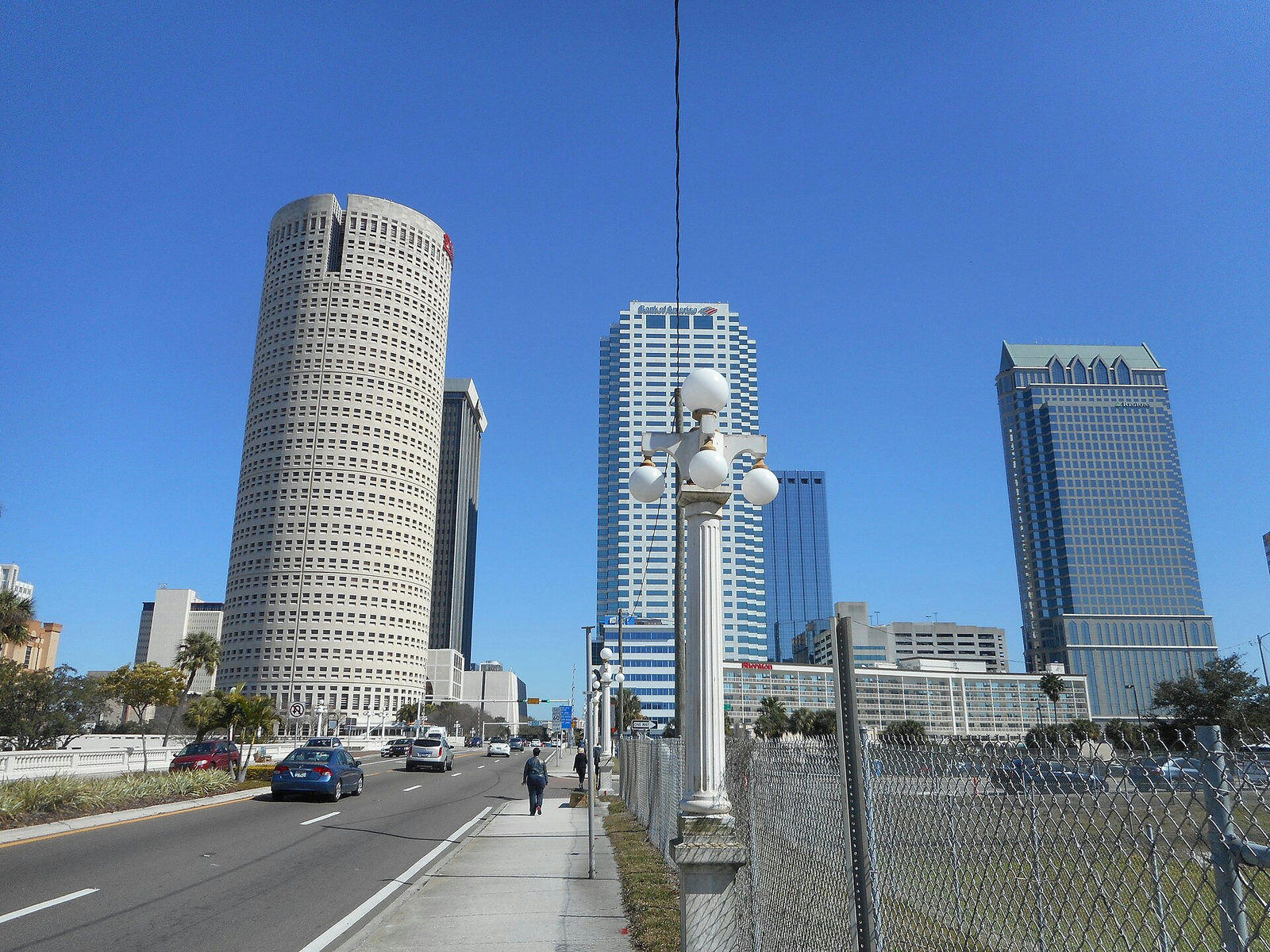
Hillsborough County considers $200 annual fee as local rentals reach 3,000
Picture from Wikimedia Commons; licence CC BY-SA 4.0; photographer DanTD

How short-term rental density and inventory metrics shape local markets

Hillsborough County approves short-term rental rules including $200 annual fee
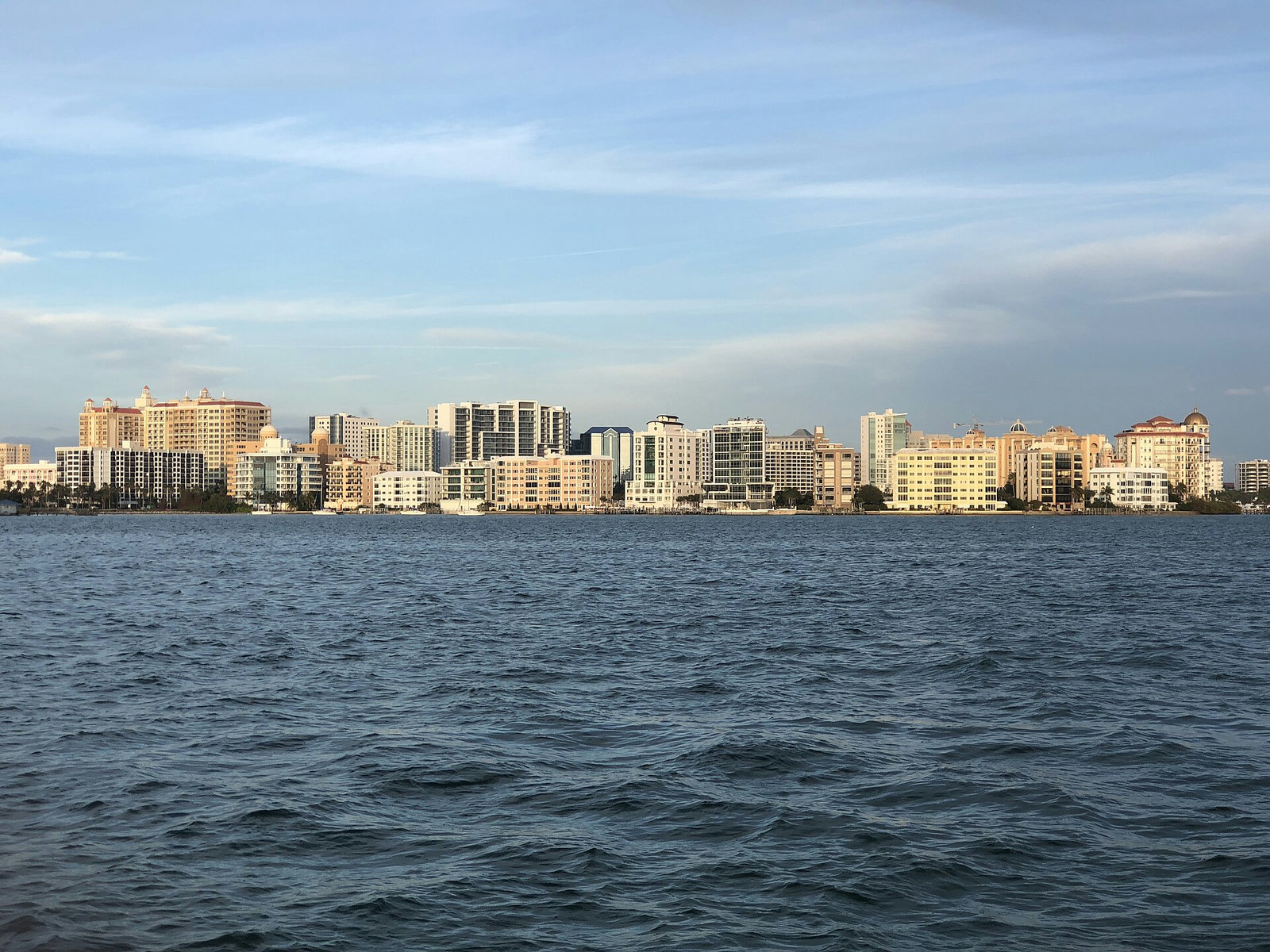
Sarasota Vacation Rental Registration Fees Rise to $500 as Listing Count Reaches 700
Picture from Wikimedia Commons; licence CC BY 4.0; photographer Cullen Morgan
Comment thread