Scottsdale logs 665 short-term rental police calls as city steps up enforcement
City officials filed 460 charges and collected about $9,000 in fines as police investigate an Oct. 11 shooting at a local property.

The Scottsdale Police Department received 665 police calls for service at short-term rentals between January and August 2026, according to city officials. The figure highlights the scale of municipal police resources directed at short-term lodging properties across the city. Municipal authorities released the call data alongside detailed enforcement metrics following a police response to a shooting incident at a short-term rental property on Oct. 11.
Police responded to multiple calls of shots fired near 7300 E. Papago Drive in south Scottsdale on Oct. 11, where officers determined shots were fired in the yard of the house and the street near the residence. The incident caused no reported injuries and remains under active investigation by local law enforcement.
What the data shows
Between January and August 2026, the Scottsdale Police Department recorded 665 police calls for service at short-term rentals, city officials said. Out of those service requests, officers received 238 calls during the summer period between June and August.
During that timeframe, municipal authorities filed 460 charges tied to short-term rentals, including 359 charges related to noncompliance with city rules. The remaining filings involved other municipal code or criminal violations identified at property sites.
As of August, the city reported 2,966 active short-term rental licenses across its jurisdiction. Municipal financial records show that about $9,000 in fines were collected in August in Scottsdale regarding short-term rentals.
The enforcement statistics function within a broader municipal economy where tourism serves as Scottsdale's leading employment provider. The city features more than 100 art galleries, hosts the annual Waste Management Phoenix Open, and serves as the spring training home of the San Francisco Giants. These major regional draws bring continuous visitor traffic into residential neighborhoods where short-term rentals operate.
How it was measured
The reported metrics reflect official administrative tallies compiled across specific calendar windows in 2026 by municipal agencies in Scottsdale, Arizona. Primary figures measure regulatory activity recorded between January and August 2026, with focused sub-period data covering June through August.
The call total reflects incident reports logged by emergency dispatchers for addresses listed in municipal systems as short-term rental properties. The active license volume of 2,966 reflects properties maintaining valid registration entries in the city registry as of August.
Charge filings represent formal legal citations issued by city personnel against operators, property owners, or occupants. Fine collection totals measure actual cash receipts recorded by municipal accounting systems during August regarding short-term rentals.
The source material did not publish the underlying technical dispatch software, automated cross-referencing system, or exact call-classification rules used by police staff to identify incoming service calls at short-term rental addresses.
Multi-agency enforcement framework
Scottsdale carries out its short-term rental regulatory oversight through a dedicated multi-departmental team. The city's short-term rental team involves eight distinct municipal divisions: the Police Department, City Attorney's Office, City Manager's Office, Code Enforcement, Planning, Solid Waste, Tax and Licensing, and Water departments.
This cross-departmental structure allows local officials to address operational problems from several regulatory angles simultaneously. Code Enforcement officers inspect physical conditions and noise compliance, while Tax and Licensing staff verify operational credentials and transient occupancy tax compliance. Water and Solid Waste personnel monitor utility accounts and site maintenance standard adherence at registered addresses.
In addition to municipal coordination, the city works directly with major booking platforms like Airbnb to build communication and accountability protocols. These working relationships are intended to expedite listing verification, streamline complaint escalation, and remove noncompliant properties from online distribution channels.
Following the Oct. 11 firearms response near 7300 E. Papago Drive, police leadership emphasized the city's commitment to investigating violent incidents connected to short-term rental locations.
“We have a proven track record of identifying and arresting those who come into Scottsdale and commit violent crimes,” Scottsdale Police Chief Joe LeDuc said in a statement. “We intend to make this case no different. When you bring violence into our community, we will commit the resources necessary to find you, arrest you, and hold you accountable.”
Impacts on hosts, managers, and investors
For property managers and real estate investors operating among Scottsdale's 2,966 active short-term rental licenses, the city data underscores an active compliance monitoring environment. The filing of 359 noncompliance charges between January and August 2026 demonstrates that local inspectors actively enforce operational regulations.
Noncompliance filings can stem from failure to maintain active municipal licenses, failure to display required emergency contact information, unauthorized commercial events, noise threshold breaches, or improper refuse handling. Operators who fail to comply face citations, monetary penalties, and potential license suspension or revocation.
The collection of about $9,000 in fines in August demonstrates the immediate financial consequences of regulatory noncompliance. Beyond direct penalties, properties with repeated citations face increased scrutiny from code inspectors and elevated administrative friction during license renewal periods.
Because tourism stands as the primary employment driver in Scottsdale, municipal leaders balance economic benefits against neighborhood quality-of-life concerns. Major events like the Waste Management Phoenix Open and San Francisco Giants spring training bring increased occupancy rates, but they also bring intensified police and code oversight across residential zones.
What the data does not tell you
While the figures document overall police activity and code filings, the source material leaves several key analytical gaps:
- Call resolution and severity: The total of 665 police calls does not distinguish between minor noise complaints, parking disputes, false security alarms, or serious criminal investigations.
- Property concentration: The data does not indicate whether police calls occurred across many listings or were concentrated among a small group of repeat nuisance properties.
- Unlicensed market size: The 2,966 active license count records registered operators but does not estimate the size of Scottsdale's unlicensed rental inventory operating without official approval.
- Fine distribution detail: The about $9,000 fine figure represents a single aggregate monthly sum and does not specify fine amounts per violation or separate initial fines from penalty assessments.
- Platform breakdown: Although the city coordinates with platforms like Airbnb, official reports do not break down call frequency or noncompliance charges by specific booking channel.
What to watch
Property owners, property managers, and investors operating short-term rentals in Scottsdale can monitor several specific operational requirements to maintain full regulatory compliance:
- Confirm that active short-term rental license details match all current city registry submissions and online hosting platform listings.
- Establish verified local emergency contacts capable of responding quickly to address property complaints raised by neighbors or city officials.
- Implement strict guest communication policies prohibiting unauthorized parties, excessive noise, or street parking violations.
- Track updates from the Scottsdale City Manager's Office and City Attorney's Office regarding potential changes to short-term rental rules or penalty fee schedules.
- Inspect physical sites regularly to ensure solid waste management, property maintenance, and local ordinance compliance meet city requirements.
Figures checked by the standards desk (Paul Ostrowski): every figure in this story was matched to the source material listed below before publication.
Checked by the accuracy gate: 36 specifics checked, 34 traced to the source material and the sources added below, 2 general background, none removed.
Sources
- azcentral.com - reported October 16, 2026.
- thephoenixbulletin.com - Scottsdale increases enforcement and oversight to curb short-term rental nuisances – The Phoenix Bulletin.
Read and analysed by the Booked News desk.
Report an error in this story · Corrections policy and log

Related stories

Sarasota sets vacation rental occupancy limits as city listing count reaches 700
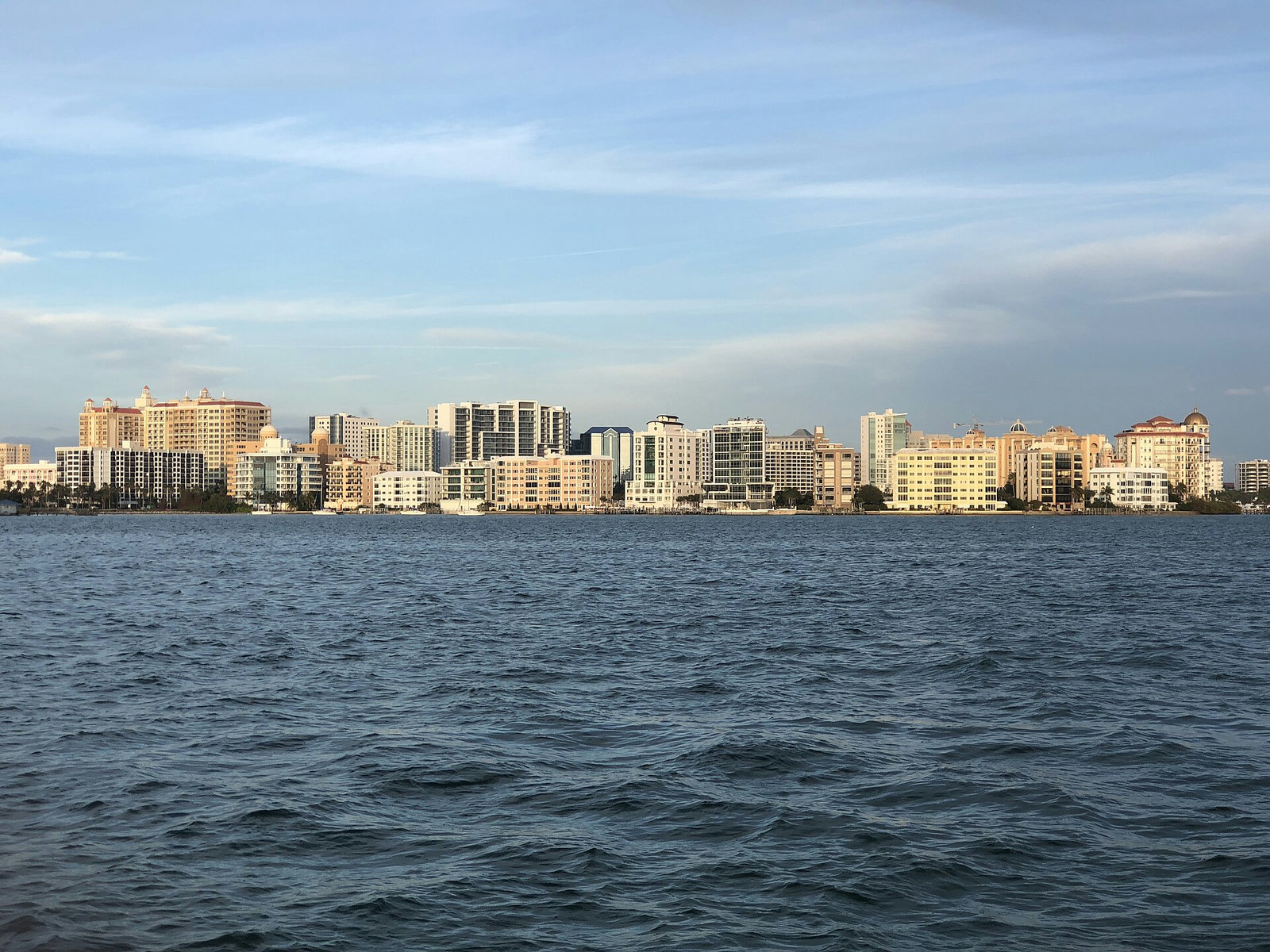
Sarasota Vacation Rental Registration Fees Rise to $500 as Listing Count Reaches 700
Photo: Cullen Morgan, CC BY 4.0, via Wikimedia Commons

Greece Reports 973 Million Euros in Declared Short-Term Rental Income for 2025
Photo: Jakub Hałun, CC BY 4.0, via Wikimedia Commons
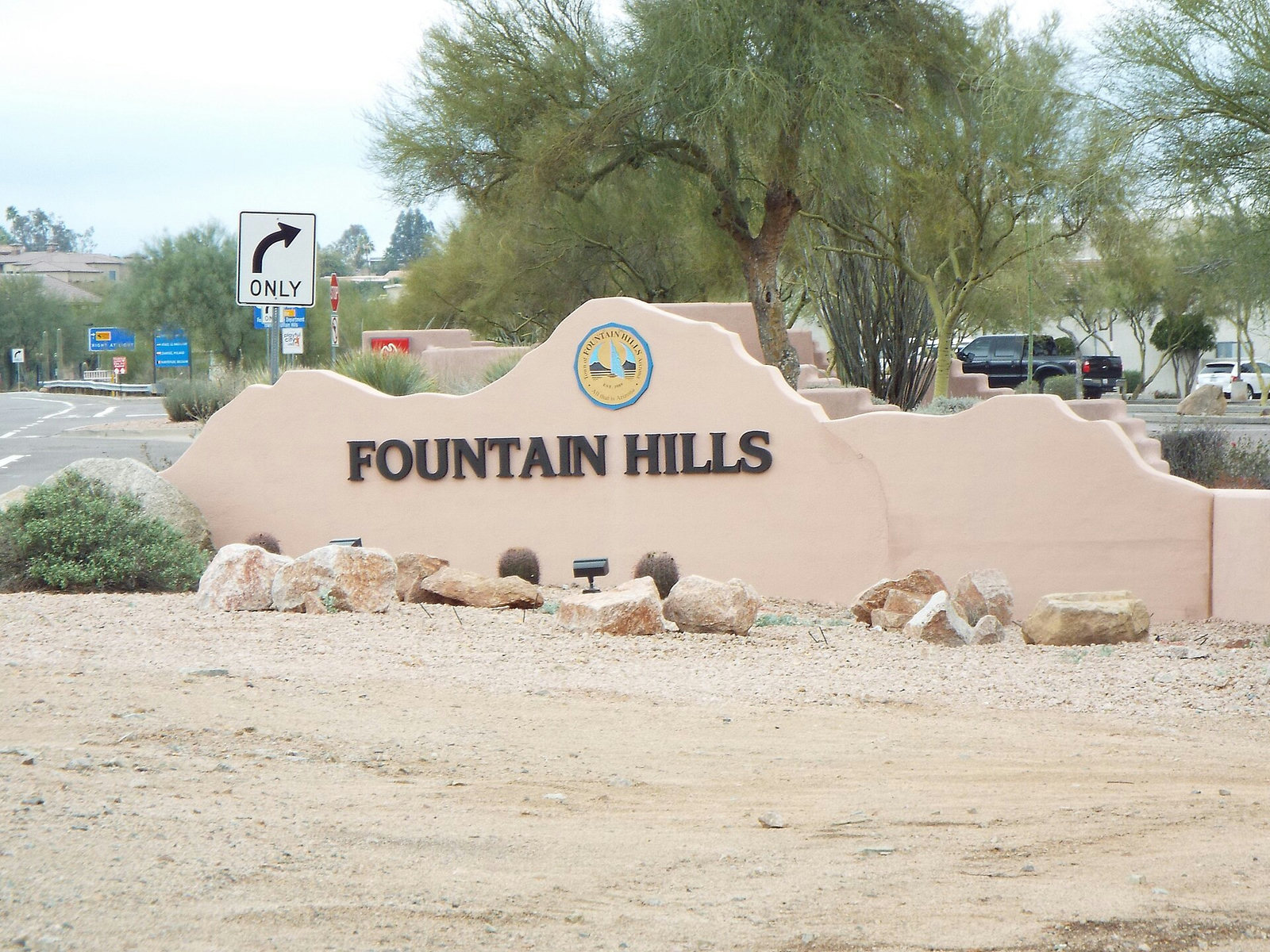
Fountain Hills launches short-term rental portal with permit and contact tracking
Photo: Marine 69-71, CC BY-SA 4.0, via Wikimedia Commons
Read the desk every morning.
Leave your address for the Booked News briefing: the day's figures on rates, occupancy, demand, fees, supply and returns, each with its source, in one short email.
Comments