Philadelphia short-term rentals faced a proposed 6% tax in May 2026
Airbnb reported that a proposed tax increase would raise short-term rental taxes by 40% while hotel taxes would increase by 0.6%.

On May 29, 2026, Airbnb reported that Philadelphia Mayor Cherelle Parker proposed a 6 percent tax on short-term rentals, a policy the platform argued would create an unequal financial burden on local homeowners while protecting corporate hotel operators. According to the company, the proposed levy would establish one of the highest tax rates of any city in the country for the short-term accommodation sector.
The platform stated that the targeted tax structure would represent a significant shift in how the city raises revenue from lodging. Rather than applying a uniform rate across all accommodation types, the proposal focused heavily on the short-term rental market, which Airbnb argued would disproportionately penalize residents who use the platform to supplement their household income.
What the data shows
According to the figures published by Airbnb, the proposed short-term rental tax would result in a 40% tax increase for Philadelphia homeowners who share their homes to help pay their bills. In contrast, the tax rate for traditional hotels would increase by only 0.6% under the same municipal plan. This discrepancy means that short-term rental hosts in Philadelphia would pay 10 times more in new taxes than traditional hotels under the mayor's proposal.

The data also highlights a contrast in potential municipal revenue generation. Airbnb reported that Mayor Parker’s original proposal, which called for a 2% tax on all lodging including both hotels and short-term rentals, would have generated more total revenue for the city than the newly proposed short-term rental-only tax. By failing to tax hotels at the same rate as short-term rentals under the updated proposal, the City of Philadelphia would miss out on $50 million in tax revenue that could otherwise be used to address homelessness.
Furthermore, the platform provided data regarding the scale and nature of hosting in the city. The figures showed that 74% of Philadelphia hosts have only one listing on the platform. The typical host in the city made more than $18,000 by hosting last year, indicating that the activity serves primarily as a supplemental income stream rather than a large-scale commercial operation.
How it was measured
The metrics regarding host behavior, listing counts, and typical earnings were compiled by Airbnb from its internal platform database for the preceding year. The company determined that a typical host earned more than $18,000 during that twelve-month period by analyzing the median earnings of active listings in Philadelphia. The finding that 74% of hosts operate a single listing was also derived directly from the platform's user registry data.
For demographic insights, Airbnb relied on recent data compiled by local short-term rental groups. These organizations gathered information on host backgrounds, concluding that the local hosting community is overwhelmingly composed of people of color and women.
The fiscal projections, including the 40% tax increase for homeowners, the 0.6% hotel tax increase, and the estimated $50 million in missed municipal revenue, were calculated by comparing the tax rates of the mayor's original 2% all-lodging proposal against the 6 percent short-term rental-only proposal. However, the specific economic models, baseline hotel revenues, and transaction volumes used to project the $50 million revenue gap were not detailed in the published report.
Who the tax affects
The proposed tax policy directly affects local homeowners rather than institutional real estate investors, according to the platform's analysis of Philadelphia's regulatory framework. The city's existing short-term rental law requires hosts to obtain a permit and maintain the property as their primary residence. For properties that are not primary residences, owners must secure zoning board approval, which Airbnb described as one of the strictest regulatory processes in the nation.
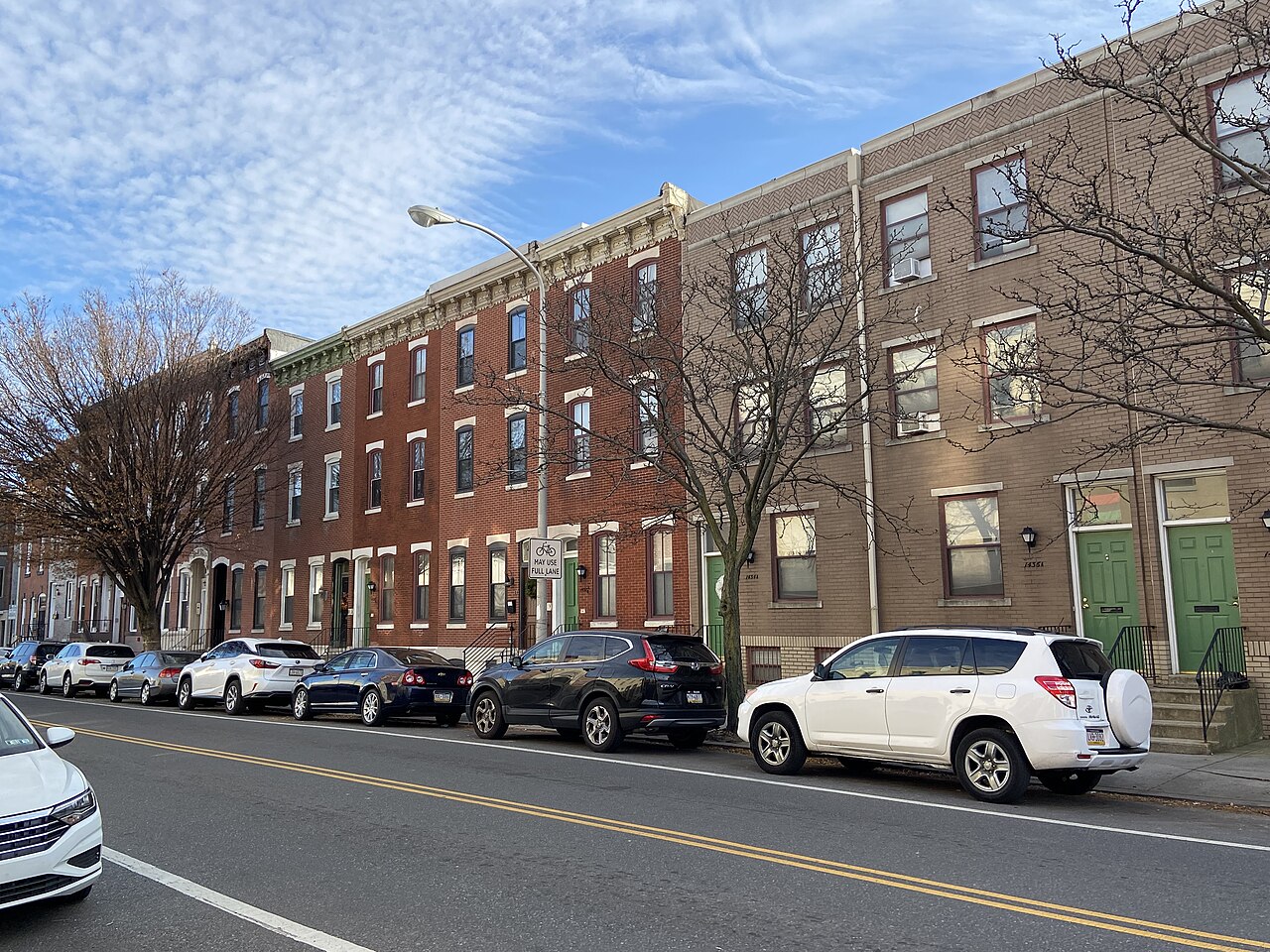
Because of these strict primary residency requirements, the individuals impacted by the tax hike are local residents rather than corporate investment firms. The typical host, earning more than $18,000 annually, relies on this revenue to meet basic living expenses and pay household bills. The tax increase would therefore directly reduce the net income of these primary-residence hosts.
The demographic data from local short-term rental groups indicates that the financial impact of the tax would fall disproportionately on vulnerable populations. Since the local hosting community is overwhelmingly composed of women and people of color, any policy that reduces the profitability of home sharing in Philadelphia would directly affect the financial stability of these specific groups.
The broader policy context
The debate in Philadelphia reflects a broader national conversation about how municipalities balance the growth of short-term rentals with traditional hospitality interests and local housing needs. Airbnb positioned the proposed tax as a sweetheart deal for large, corporate hotels, which would see their tax burden remain nearly flat with a 0.6% increase, while individual homeowners face a 40% tax hike.
The platform argued that municipal tax structures should be equitable and avoid giving corporate hotels an unfair competitive advantage. To demonstrate its broader commitment to housing initiatives, Airbnb highlighted its participation in other housing programs, such as its contribution of $1M to advance an affordable housing initiative in California as part of the Housing Accelerator program, which was reported on September 25, 2026. This initiative represents the platform's preferred method of addressing housing challenges through direct investment rather than targeted municipal taxation.
In Philadelphia, the platform urged the City Council to reject the mayor's proposal and stand with local homeowners. The company argued that the city’s existing regulations already prevent the commercialization of the housing stock by restricting short-term rentals primarily to owner-occupied homes, making the additional tax burden unnecessary and punitive.
What the data does not tell you
While the figures provided by Airbnb outline a significant disparity in the tax treatment of hotels and short-term rentals, they do not provide a complete picture of the city's fiscal landscape. The report does not disclose the total dollar amount of tax revenue that was collected in May 2026 from either hotels or short-term rentals in Philadelphia, making it difficult to verify the baseline figures used to calculate the percentage increases.
Additionally, the report does not specify the exact number of active short-term rental listings in Philadelphia or the total number of hosts operating in the city. The demographic claim that hosts are overwhelmingly people of color and women is attributed to local short-term rental groups, but the report does not provide the specific sample sizes, survey methodologies, or precise percentage breakdowns for these demographic categories.
The calculation of the $50 million in missed tax revenue also lacks detailed supporting data. The report does not explain how the platform estimated the future booking volumes or average daily rates for both hotels and short-term rentals that would be required to generate that revenue under the original 2% all-lodging tax proposal. Without these baseline assumptions, the projected revenue loss cannot be independently verified.
Airbnb strongly criticized the mayor's proposal, framing it as an unnecessary benefit for corporate lodging chains at the expense of local residents:
“In a last-minute gift to big, corporate hotels, Mayor Cherelle Parker proposed a 6 percent tax on short-term rentals, which would be one of the highest tax rates of any city in the country.”
The platform summarized the key arguments against the tax proposal as follows:
- The proposed tax represents a 40% tax increase for local homeowners who host to pay their bills.
- Traditional hotels would see their tax burden increase by only 0.6% under the proposal.
- Short-term rental hosts would pay 10 times more in new taxes than hotels.
- The city would miss out on $50 million in tax revenue by not taxing hotels at the same rate as short-term rentals.
What to take from it
The tax debate in Philadelphia provides important lessons for short-term rental operators and investors monitoring municipal regulatory environments.
- Compare local tax proposals not just by their nominal rates, but by how they distribute the tax burden between residential hosts and commercial hotels.
- Monitor local residency and zoning laws, as strict primary residency requirements can limit the ability of hosts to pass tax increases along to consumers.
- Evaluate the financial impact of potential tax hikes against typical local earnings, such as the $18,000 typical annual host revenue reported in Philadelphia.
- Watch for advocacy campaigns from major platforms, which often signal May 2026 regulatory votes that could impact local market viability.
Figures checked by the standards desk (Paul Ostrowski): every figure in this story was matched to the source material listed below before publication. The desk's review raised 2 points, corrected before publication.
Sources
- Airbnb Newsroom - published May 29, 2026.
Part of the Booked News record for May 2026. The desk filed this story on October 9, 2026 from a source published in the month it covers, under the same figure rule as the daily news.
Report an error in this story · Corrections policy and log

Related stories

Sarasota sets vacation rental occupancy limits as city listing count reaches 700
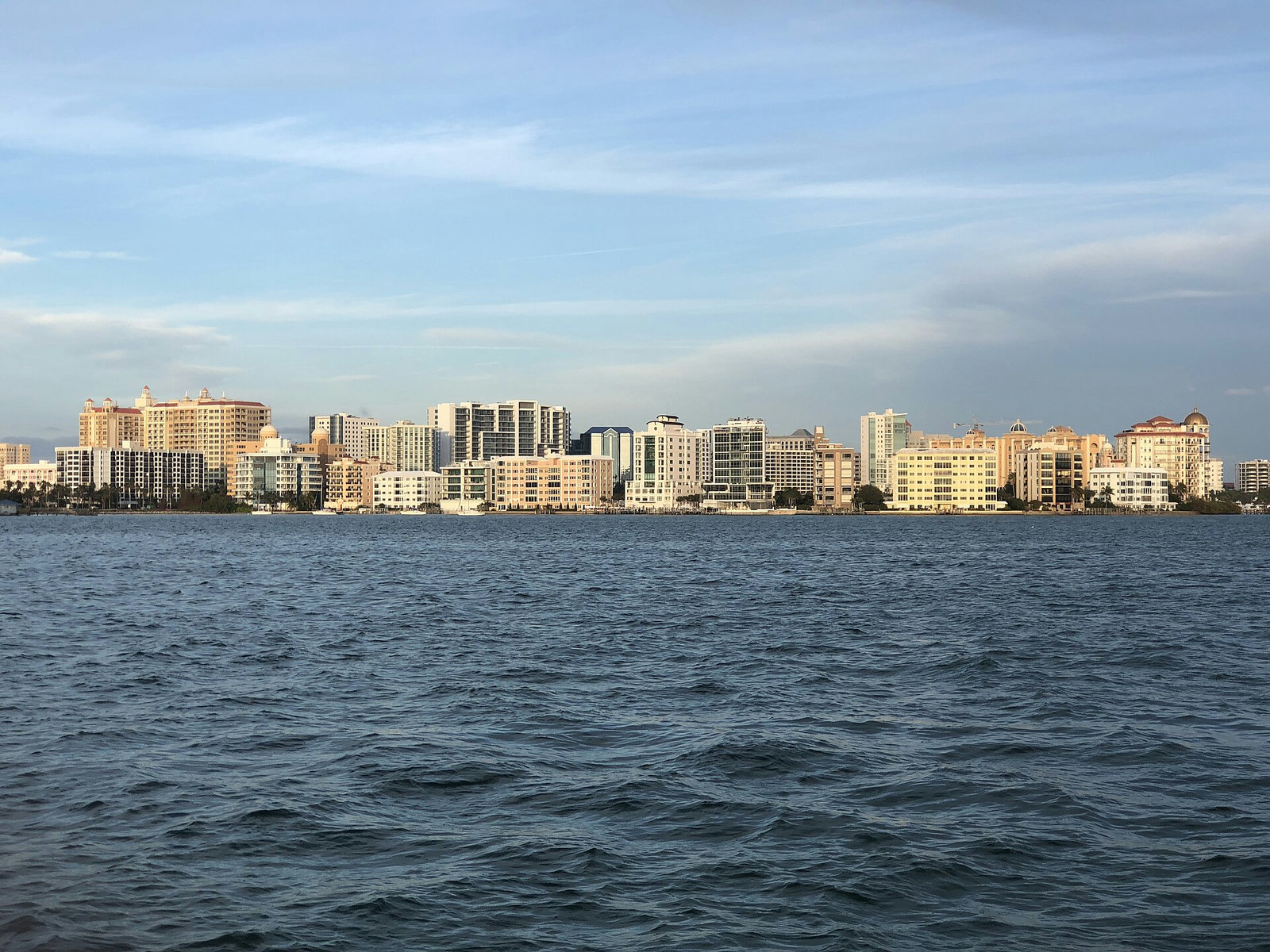
Sarasota Vacation Rental Registration Fees Rise to $500 as Listing Count Reaches 700
Photo: Cullen Morgan, CC BY 4.0, via Wikimedia Commons

Alabama Farm Hosts Earned $5,695 as Airbnb Launches $250,000 Agritourism Grant Program

Lisbon short-term rental accommodations drop 37% as cancelled units stay off housing market
Read the desk every morning.
Leave your address for the Booked News briefing: the day's figures on rates, occupancy, demand, fees, supply and returns, each with its source, in one short email.
Comments