How short-term rental density and inventory metrics shape local markets
Supply concentration across residential neighborhoods and resort markets defines competitive pressure, regulatory risk, and buyer acquisition strategies.

County information reported by Bay News 9 puts the number of short-term rentals across Pinellas County at more than 24,000. Unincorporated Hillsborough County, by contrast, has around 3,000 short-term rentals, and the adjacent city of Tampa has about 9,000 on top of that. These absolute listing counts demonstrate how geographic borders and local regulatory environments define overall market scale across neighboring jurisdictions.
Understanding short-term rental supply requires examining both regional listing volumes and localized neighborhood density. When active listings cluster heavily inside specific subdivisions or resort corridors, competitive dynamics shift rapidly. Supply metrics help operators, property managers and investors in real estate judge market saturation, likely occupancy trends and possible municipal policy responses.
How the metric works
Supply in short-term rental analysis operates on two primary levels: total active listing counts within a municipality and hyper-local concentration density within specific micro-markets. Total active counts reflect the aggregate number of properties listed for short-term stays within a defined geographic boundary. Density measures the proportion of short-term rental units relative to the broader residential housing stock in a specific neighborhood or subdivision.
A closer example is Town ‘N Country, Florida, where Bay News 9 says residents of the Bay Crest Park neighborhood put the count at 126 short-term rentals in roughly 900 homes. The neighborhood-level count shows how concentrated supply can be: across unincorporated Hillsborough County as a whole there are roughly 3,000 short-term rentals, yet some subdivisions take a disproportionate share of that inventory. High concentration ratios often alter neighborhood character and trigger municipal regulatory oversight.
In real estate acquisition metrics, supply is also measured through housing market inventory and months of supply. According to a Redfin housing market snapshot reported by ACCESS Newswire, Kamuela, HI recorded 31 homes available and 5.8 months of supply. Months of supply indicates how long current available housing inventory would last at the prevailing pace of home sales. A higher months-of-supply figure provides prospective buyers with more inventory to evaluate before making purchase offers.
How it was measured
The figures in this analysis draw from official municipal records and real estate transaction databases reported across public releases in late 2026. Local short-term rental counts for Florida markets were published by Bay News 9 based on Hillsborough County municipal information updated on September 02, 2026. The dataset compares unincorporated Hillsborough County listing counts against figures for the city of Tampa and Pinellas County.
Housing market supply metrics for Kamuela, HI were sourced from a Redfin market snapshot reported by ACCESS Newswire on November 12, 2026. The Redfin snapshot tracked active inventory, median sale price changes, listing duration, and closing-to-list price ratios. In that market, Redfin reported a median sale price of approximately $977,000, representing an 8.3% increase year over year. Homes in Kamuela recorded a median of 92 days to sell and closed at an average of 98.3% of list price, with nearly 19% of properties selling above asking price.
Drivers of supply shifts and density spikes
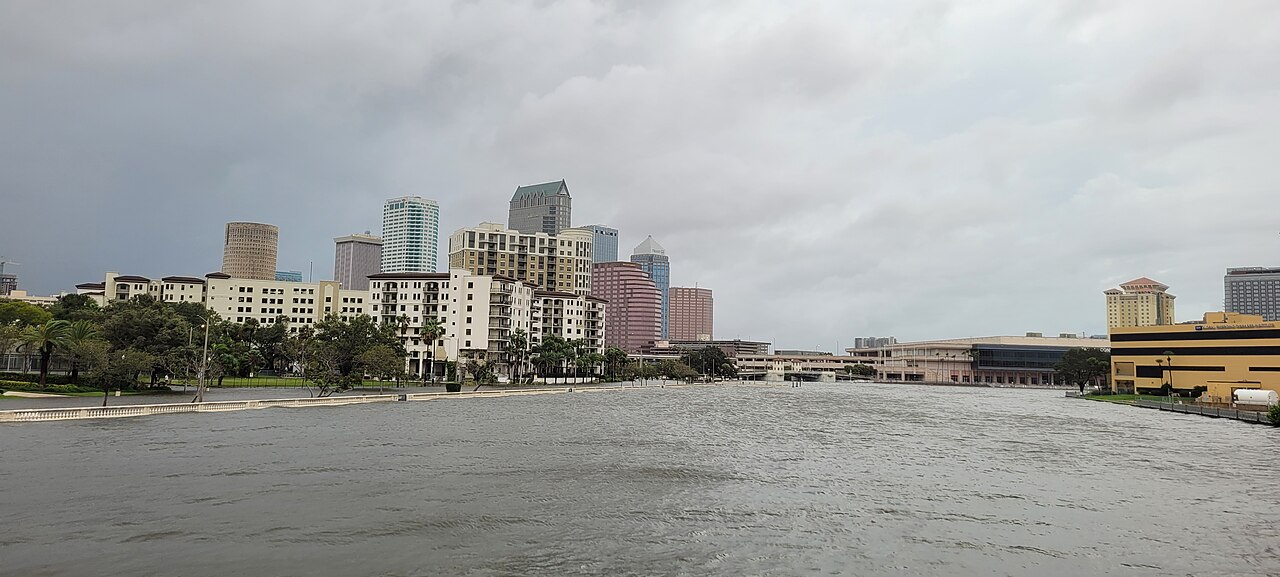
Local short-term rental supply density rarely increases at a uniform rate. External shocks, environmental events, and real estate turnover frequently accelerate localized supply spikes. Bay Crest Park residents said the number of short-term rentals grew sharply after hurricanes Helene and Milton brought severe flooding and physical damage to the neighborhood.
Homeowner Samantha Freeland noted that many long-time residents sold their properties after the storms, leading new buyers to convert those single-family structures into active vacation rentals. Freeland noted the operational impact on the neighborhood:
“We’re essentially having businesses that are operating within single-family zoned residential neighborhoods. That the county has zoned us as single-families zoned residential areas and they’re allowing businesses to operate right next to families with no ordinances or life safety inspections.”
When physical events displace owner-occupants, real estate investors often acquire damaged or turn-key residential assets to enter the short-term rental space. This concentration of commercial activity inside single-family residential zones frequently prompts local government intervention, introducing administrative fees and operational mandates that alter baseline underwriting assumptions.
Regulatory fees and operational requirements
As short-term rental density rises, local governments often respond by creating registration frameworks, safety inspections, and cost-recovery fee structures. Hillsborough County commissioners scheduled a public hearing on proposed regulations designed to give the county greater oversight over vacation rental properties without instituting an outright ban.
The proposed Hillsborough County rules require property owners to register their rentals and designate a local contact available around the clock to address operational complaints or neighborhood disturbances. On cost, the ordinance proposes a yearly registration fee of $200 per unit, with further fees for mandatory property inspections. These recurring fees raise the total fixed operating costs of property managers who run multiple listings in unincorporated Hillsborough County.
Regulatory frameworks directly affect listing viability by introducing compliance hurdles. Operators must factor annual municipal fees, local contact availability, and safety inspection guidelines into their cost projections alongside existing expenses like cleaning, ongoing maintenance, and professional property management fees.
Evaluating acquisition metrics in resort markets
In resort markets, property pricing, listing duration, and market inventory shape how investors acquire new short-term rental assets. In Kamuela, HI, real estate agent Travis Lee Scott of Real Broker, who has over $55 million in career sales volume and 24 five-star client ratings, works with buyers to assess rental potential alongside long-term ownership costs across the Kohala Coast, Waikoloa, and Kona.
With Kamuela homes taking a median of 92 days to sell, longer listing windows give investors expanded leverage to evaluate structural conditions and negotiate purchase prices. However, with homes closing at an average of 98.3% of list price and nearly 19% selling above asking, competitive pricing remains firm for desirable assets. Scott emphasized the necessity of analyzing total operational expenses rather than relying solely on top-line revenue projections:
“Buying property here requires more than just picking a price point - it takes a clear understanding of the investment landscape and what a home will cost to maintain.”
Investors assessing high-value resort assets must calculate upfront setup costs, deferred maintenance obligations, and renovation requirements before committing capital. A high nightly rate offers limited benefit if operational overhead, maintenance burdens, or unexpected repair costs erode net operating margins.
What to watch
To navigate local supply density and changing housing inventory metrics, market participants should track several key operational indicators:
- Monitor municipal commission agendas for proposed short-term rental registration fees, such as Hillsborough County's proposed $200 annual fee per unit.
- Track neighborhood-level listing concentration ratios to identify areas facing heightened community scrutiny or regulatory pushback.
- Evaluate housing market inventory levels and days on market, such as Kamuela's 5.8 months of supply and 92-day median sale time, to identify negotiation leverage during acquisitions.
- Review closing price ratios against list prices to assess competitive bidding risks before submitting purchase offers.
- Audit total operating costs, including 24/7 local contact coverage, maintenance reserves, and property management fees, against realistic booking frequency projections.
Figures checked by the standards desk (Paul Ostrowski): every figure in this story was matched to the source material listed below before publication.
Tally from the accuracy gate: 43 details tested; 42 found in the stored source; 1 allowed as background knowledge; nothing cut.
Sources
- Bay News 9 - Hillsborough County considers new rules for short-term rentals (September 2, 2026).
- Yahoo Finance - Best Real Estate Agent for Short-Term Rental Investors in Kamuela, HI (November 12, 2026).
An analysis column by the Booked News desk. Every figure is taken from the sources above.

Related stories
Hillsborough County considers rental registry and $200 fee as local supply metrics shift
Picture from Wikimedia Commons; licence CC BY 4.0; photographer Andrew Heneen
Hillsborough County considers $200 annual fee as local rentals reach 3,000
Picture from Wikimedia Commons; licence CC BY-SA 4.0; photographer DanTD


Comment thread